Loki RXTON 1 Review: The 15-Dollar Tacky Rubber That Punches Above Its Price
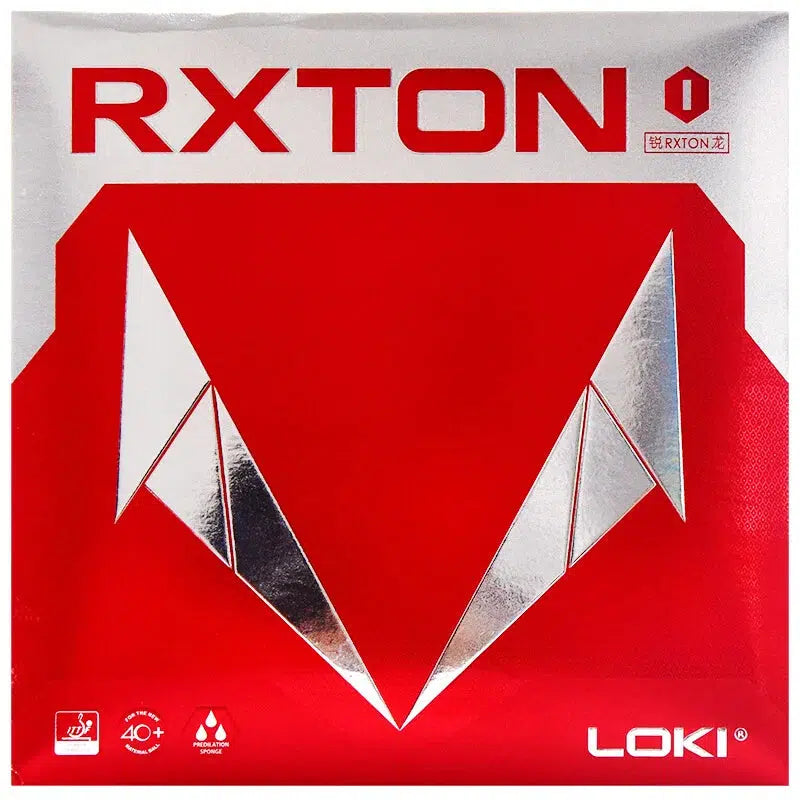
Pros
- Outstanding value at roughly 15 dollars a sheet
- Very high control that makes the table easy to hit and hard to miss
- Good, usable spin for serves, receives and rallies
- Higher-quality top sheet and sponge than most budget Chinese rivals
- Light and easy to handle, ideal for beginners
- So cheap you can replace it monthly without worry
Cons
- Low outright speed; not a power rubber
- Tackiness is mild and wears off over time
- Red-sponge version is softer and felt more brittle than black to some users
- Treated mostly as a beginner or control option rather than a competitive sheet
Ask around for a cheap rubber and the Loki RXTON 1 comes up fast. At around 15 dollars or less it sits at the very bottom of the cost ladder, yet it shows up over and over in beginner build guides, control-rubber shortlists, and first-custom-racket posts. Loki, a Chinese brand that lists Wang Hao as a technical consultant, sells the RXTON series as a ladder: the RXTON 1 at the bottom, the faster RXTON 3 next, the spinny RXTON 5 on top. This review draws on hands-on testing from Revspin, the TableTennisDaily forum, and Reddit to answer one question: how much rubber do you get for so little money? A lot, as long as you know what the sheet is for.
Performance
Control is what the RXTON 1 is about. Reviewers describe a rubber that does exactly what you tell it, with superb placement and a forgiving feel that makes the table easy to hit and the net hard to find. One Revspin user scored control a perfect 10 and called it a modernised, cheap, slightly tacky Sriver. That nails the character: an older-school spin-and-placement sheet, not a modern springy bouncer.
Spin is the second strength. The top sheet grips the ball on serves and receives, and testers rate spin good to very good, plenty to make you dangerous in rallies and on serve. The mild tack helps on flicks and transitions over the table.
Speed is the trade-off. The RXTON 1 is the slowest, most basic sheet in the lineup, slower and less bouncy than its RXTON 3 and 5 siblings and slower than a regular Neo Hurricane 3. It is quick enough to win points on placement and timing, but it is not a power rubber. It rewards technique instead of handing you free speed.
Build quality keeps surprising people. Forum testers say the Loki top sheets look finer than Yinhe or RITC, the sponge has a fine texture close to DHS Neo H3 provincial orange sponge, and overall hardness sits around 38 to 39 on the Chinese scale, roughly 50 to 52 ESN, a comfortable medium. Uncut weight is light at about 64 grams.
Two caveats come up again and again. The tack is mild from the start and fades with use, and a few users found their sheets almost non-tacky straight out of the wrapper. The red-sponge version is softer and was called slightly more brittle than the black, which is why several reviewers steer you to the black sponge. And because the rubber costs so little, plenty of players treat it as semi-disposable and swap it out every month or so.
What Reviewers Agree (and Disagree) On
The consensus is loud and clear: excellent value, very good control, solid spin, and build quality above its price. All three sources independently call it cheap, well made, and a sensible pick from beginner through intermediate. Tackiness is where they split. Revspin reviewers describe a real initial tack that sticks to a protective sheet, while a TableTennisDaily tester found his sheets barely tacky, almost non-tacky to the fingers. That likely comes down to batch variation and the fact that tack fades with use. The ceiling draws mild disagreement too. Most file it strictly as a beginner or control rubber, but a few experienced reviewers insist it stays a real weapon at higher levels for a placement game. One thing nobody argues: at this price, complaining is hard to justify.
Who Should Buy It
Buy the RXTON 1 if you are a beginner or returning player putting together your first cheap custom racket, or a developing player who wants to drill technique on a forgiving, controllable sheet. It is an outstanding backhand option and a strong control rubber for players who win on placement and consistency rather than raw power. Coaches kitting out juniors on a budget will love it, as will anyone who likes to swap rubbers often without spending much. Look elsewhere if you want a fast, modern offensive sheet for hard looping, or heavy, durable Chinese tack like a Hurricane 3; the RXTON 1 is milder and slower on purpose. For the money, it is one of the safest budget picks in the sport.
FAQ
Is the Loki RXTON 1 tacky?
Mildly tacky, not strongly sticky. New sheets grip the ball enough to help on spin serves and receives, but the tack is gentle to start and fades with time. A few users found their sheets nearly non-tacky out of the packet, so expect light, fading tack rather than the heavy grip of a Hurricane 3.
Is the RXTON 1 good for beginners?
Yes, it is one of the most recommended beginner rubbers around. The high control and forgiving feel make the table easy to hit and the net easy to avoid, so new players land more shots and build technique, all for very little money.
Should I buy the red or black sponge version?
Go black. Several reviewers found the red sponge softer and slightly more brittle, while the black felt firmer and more consistent. If you only buy one, the black sponge is the safer pick.
How does the RXTON 1 compare to the RXTON 3 and 5?
The RXTON 1 is the slowest, softest, most basic sheet in the series, built to be a first rubber. The RXTON 3 is faster and bouncier; the RXTON 5 is the tackiest and spinniest, aimed at more experienced players. Climb the range as your game develops.
How long does the RXTON 1 last?
Because it costs so little, many players treat it as semi-disposable and replace it about once a month. The top sheet holds up, but the tack fades with use, so frequent swaps are cheap and common.