Loki RXTON 1 vs Yasaka Mark V: Which Should You Buy?
| Loki RXTON 1 | Yasaka Mark V | |
|---|---|---|
| Our rating | 8.0/10 | 8.0/10 |
| best_side | both | both |
| control | very high | 9.5 |
| speed | low to medium | 8.4 |
| spin | high | 8.5 |
| sponge_hardness | medium (around 38-39 degrees Chinese scale, roughly 50-52 ESN) | medium (around 43 degrees ESN) |
| type | tacky inverted (budget) | inverted |
| weight_uncut_g | 64 | 47 |
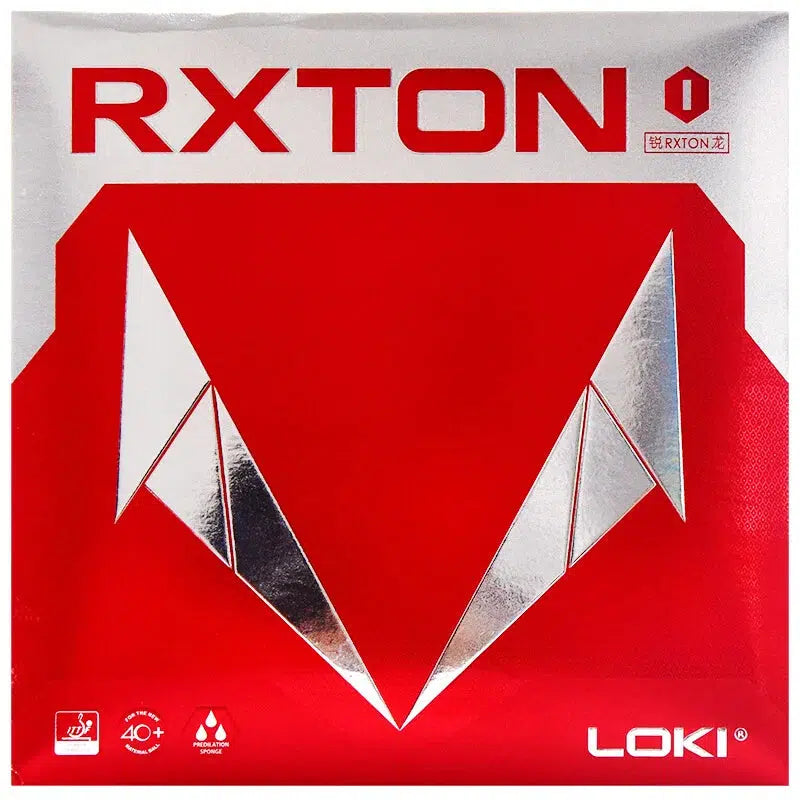
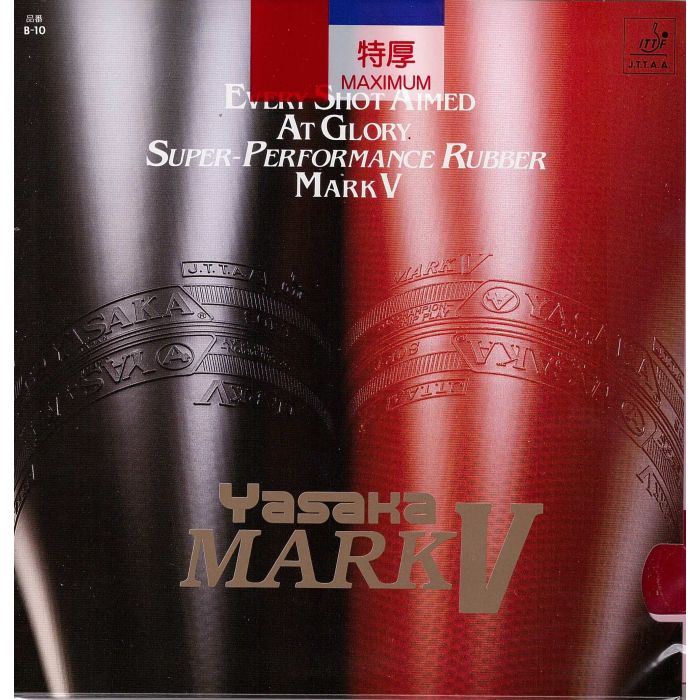
We may earn a commission from links on this page. Learn more.
The short answer
Both rubbers carry the same overall rating (8.0), but they earn it in very different ways. Yasaka Mark V is a decades-old classic prized for near-perfect control and remarkable durability — some reviewers rate its control at or near a perfect 10. Loki RXTON 1 is a modern budget rubber that gets close to Mark V’s control at a fraction of the price, but gives up a huge amount of durability to do it. If longevity matters more than upfront cost, Mark V wins clearly; if you’re happy replacing rubber often and want to save money, RXTON 1 gets you nearly the same control.
What the axis numbers say
Control: this is the axis both rubbers are famous for, and the gap is tiny — 8.5 for RXTON 1 against 8.7 for Mark V, just 0.2 points. Some reviewers rate Mark V’s control “near or at a perfect 10,” but the aggregated axis data here shows RXTON 1 landing within spitting distance of a rubber with a genuine multi-decade reputation for control. That’s a meaningful finding for anyone assuming a fifteen-dollar budget sheet can’t compete with a classic.
Durability: this is where the two rubbers pull apart hard — 3.7 points, the largest gap in this whole comparison (RXTON 1 at 5, Mark V at 8.7). Mark V’s review copy specifically calls out “excellent consistency and sheet-to-sheet uniformity over a very long lifespan,” and this durability gap is the single biggest reason to pick one over the other if you don’t want to replace rubber often.
Speed: Mark V leads by 2 points (8.0 vs 6.0). This might surprise players who think of Mark V purely as an old-school control rubber — reviewers do note it has “lower outright speed than modern tensors,” but relative to RXTON 1 specifically, Mark V is still the faster sheet.
Spin: Mark V leads by a smaller 0.7 points (8.2 vs 7.5). Neither rubber is a spin machine by modern tensor standards, but Mark V’s own cons flag “below-average spin with a flat trajectory that does not bite the ball on loops” — so its spin edge over RXTON 1 is modest, not transformative.
Tackiness: RXTON 1 is slightly tackier, 3.5 against 2.6, a 0.9-point gap — both rubbers sit on the low end of the tackiness scale compared to Chinese-style rubbers.
Where these numbers come from
RXTON 1 is documented on Revspin, a TableTennisDaily forum thread on Loki’s rubber range, and r/tabletennis discussion. Mark V, being a long-running classic, has a deeper review trail: RevSpin, a dedicated Racket Insight review, Megaspin’s product review page, and an active r/tabletennis search thread specifically about the rubber.
Is it worth switching
If you’re on RXTON 1 and specifically frustrated by how often you’re replacing worn-out rubber, Mark V’s 3.7-point durability edge is a legitimate reason to switch, especially since the control you’d be keeping is nearly identical (a 0.2-point gap). Be aware of one specific caveat buried in Mark V’s own cons: it was “designed for celluloid balls and performs noticeably worse with modern plastic balls” — if you play exclusively with modern poly balls, factor that into the decision, since it may blunt some of Mark V’s classic reputation for you specifically.
Going from Mark V to RXTON 1 mostly makes sense on cost grounds — you’re trading away 3.7 points of durability and 2 points of speed to save money, while keeping essentially the same control. That’s a reasonable trade for a developing player building a first racket on a budget, less so for someone who already has a working Mark V setup and isn’t cost-constrained.
Who each rubber actually fits
RXTON 1 fits beginners and returning players building a first inexpensive custom racket and anyone who wants a cheap, reliable rubber they don’t mind swapping out often. Mark V fits beginners and developing players who want maximum control while building technique, as well as value-focused all-rounders and returning players who prize feel, consistency, and a long-lasting, forgiving rubber over raw tensor speed — its own review copy notes many long-time owners “prefer it to newer sheets” specifically for that dependable feel.
Frequently asked questions
Is Loki RXTON 1 as good as Yasaka Mark V for control?
Nearly -- the control gap is just 0.2 points (8.5 vs 8.7), making RXTON 1 a legitimate budget alternative if control is your main priority.
Why does Yasaka Mark V last so much longer than Loki RXTON 1?
Mark V is rated 8.7 on durability against RXTON 1's 5, a 3.7-point gap -- the largest in this comparison. Mark V's reputation for sheet-to-sheet uniformity over a long lifespan is well documented across RevSpin, Racket Insight, and Megaspin reviews.
Does Yasaka Mark V work with modern plastic balls?
Not as well as with celluloid. Reviewers note Mark V performs noticeably worse with modern plastic balls, which is worth factoring in if you play exclusively with poly balls.
Which rubber is tackier?
Loki RXTON 1, by a modest 0.9-point margin (3.5 vs 2.6). Neither rubber is considered tacky compared to Chinese-style sheets.