Butterfly Rozena vs Loki RXTON 1: Which Should You Buy?
| Butterfly Rozena | Loki RXTON 1 | |
|---|---|---|
| Our rating | 8.4/10 | 8.0/10 |
| best_side | both | both |
| control | high | very high |
| speed | 13.0/14 | low to medium |
| spin | 10.8/12 | high |
| sponge_hardness | ~35° | medium (around 38-39 degrees Chinese scale, roughly 50-52 ESN) |
| type | tensor inverted (Spring Sponge) | tacky inverted (budget) |
| weight_uncut_g | 67 | 64 |

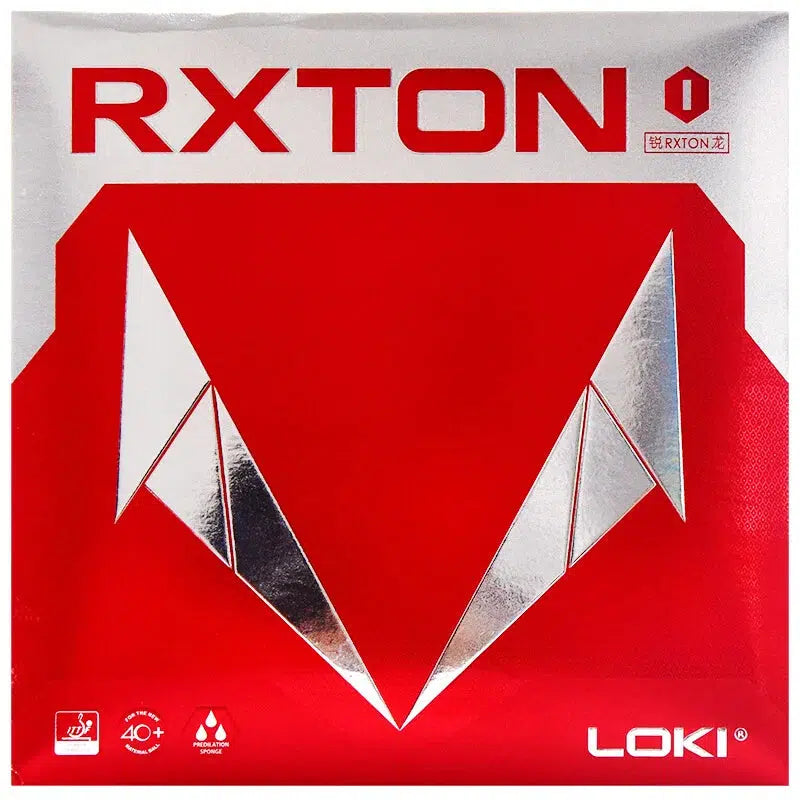
We may earn a commission from links on this page. Learn more.
The Short Answer
This is the most lopsided pairing by rating in this batch, and the underlying axis data explains exactly why: Rozena scores 8.4 overall, Loki RXTON 1 scores 8.0, and the biggest gap between them is a 2.6-point speed difference, 8.6 versus 6.0 — the largest speed gap of any comparison in this product family. Loki’s own pros list is upfront about what you are trading for that gap: RXTON 1 costs “roughly 15 dollars a sheet,” an explicit budget price point that Rozena, a mid-premium Spring Sponge tensor, is not competing on.
The Number That Explains the Price
That 2.6-point speed gap is not a flaw in RXTON 1’s design, it is the design. Loki’s own cons list calls it plainly: “low outright speed; not a power rubber,” and its bestFor description positions it for “beginners and returning players building a first inexpensive custom racket” and “club players who value control and placement over raw speed.” This is a rubber built to be cheap, controllable and replaceable, not to compete with a Spring Sponge tensor on outright pace — and at roughly 15 dollars a sheet, Loki’s own pros note you can “replace it monthly without worry,” a use case Rozena is not designed or priced for.
Where the Rest of the Gap Sits
Spin follows the same pattern at a smaller scale: 8.4 for Rozena against 7.5 for RXTON 1, a 0.9-point gap. Durability tells a similar story in Rozena’s favor, 6.8 versus 5.0, a 1.8-point difference — Rozena is simply built to hold up longer under repeated play, which matters more once you have moved past treating a sheet as disposable. Tackiness runs the other way, though only modestly: RXTON 1 rates 3.5 against Rozena’s 1.5, a 2-point gap, giving the budget sheet a bit more grip on serves and short game than its speed number alone would suggest.
Where They’re Actually Close
Control is the one axis where RXTON 1 holds its own: 8.5 versus Rozena’s 8.7, just 0.2 apart, and the spec sheet actually rates RXTON 1 “very high” on control against Rozena’s “high.” Loki’s own pros lean into this directly, describing RXTON 1 as making “the table easy to hit and hard to miss.” If pure placement and consistency at low speed is what you are after, RXTON 1 is not meaningfully behind here — it is essentially tied, and cheaper.
A Real Caveat From the Product Itself
RXTON 1’s own cons flag something worth knowing before you buy: the “red-sponge version is softer and felt more brittle than black to some users.” That is a specific, sourced quality inconsistency between color variants rather than a general knock on the rubber, and it is worth checking which sponge color you are being sold before ordering. Nothing comparable appears in Rozena’s cons.
Setup and Fit
Both rubbers are rated for both forehand and backhand use on the spec sheet. Sponge hardness is broadly similar in the medium range — Rozena around 35 degrees, RXTON 1 around 38 to 39 degrees on the Chinese scale, roughly 50 to 52 ESN — and uncut weight is close too, 67g for Rozena against 64g for RXTON 1. The meaningful practical difference is replacement cadence: Loki’s own pros pitch RXTON 1 explicitly as something to swap out often given the price, which is also why coaches “kitting out juniors on a budget” show up in its bestFor description.
Should You Switch
If you are currently on RXTON 1 and starting to feel its speed ceiling — the exact scenario its own cons describe — Rozena is a legitimate step up in speed, spin and durability, at a real cost premium. If you are new to the sport, training juniors, or specifically want a cheap, frequently-replaceable backhand or practice rubber, RXTON 1’s control score holds up fine against Rozena’s, and there is no reason to pay more for speed you are not using yet.
Bottom Line
Do not read the 8.4-versus-8.0 overall rating as “Rozena wins.” Read the axis data as “these serve different budgets and speeds by design.” RXTON 1 earns its price with genuinely competitive control; Rozena earns its premium with real, measurable gains in speed, spin and durability once you are ready to use them.
Frequently asked questions
Is Loki RXTON 1 a good rubber for beginners on a budget?
Yes, per its own pros list, which cites a price of roughly 15 dollars a sheet and describes it as cheap enough to replace monthly. Its control score, 8.5, is nearly tied with Rozena's 8.7, so beginners are not giving up much on placement for a much lower price.
How much faster is Rozena than Loki RXTON 1?
By 2.6 points on the aggregated speed axis, 8.6 versus 6.0, the largest speed gap in this entire comparison set. RXTON 1's own cons describe it plainly as not a power rubber.
Does the sponge color matter for Loki RXTON 1?
According to its own listed cons, yes. Some users report the red-sponge version feels softer and more brittle than the black version, so it is worth confirming which sponge color you are ordering.
Is Rozena more durable than Loki RXTON 1?
Yes, by a real margin, 6.8 versus 5.0 on the aggregated durability axis, a 1.8-point gap that matters if you plan to keep a sheet mounted for months rather than replacing it monthly.