What Makes a Quality Chinese-Style Table Tennis Serve?
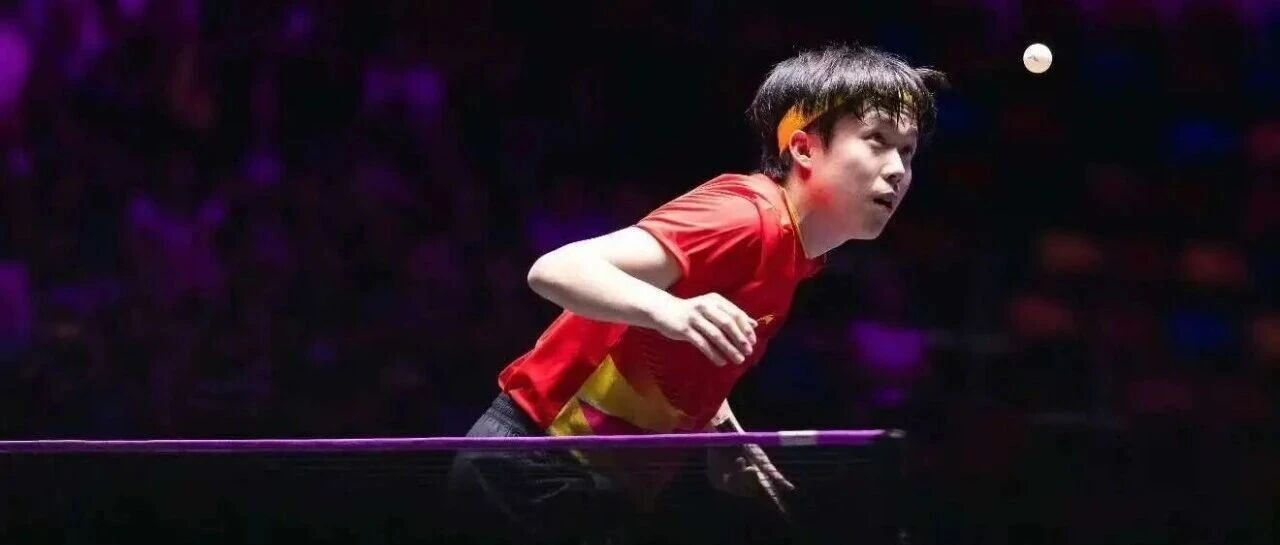
This is a technically focused column in a Q-and-A format. The mystery expert is a former national team player (a veteran coach) who prefers to remain anonymous — they just want a quiet life and a peaceful sleep.
I think sharing these technical insights is genuinely valuable.
With that, the “Reaching the Peak” column was born.
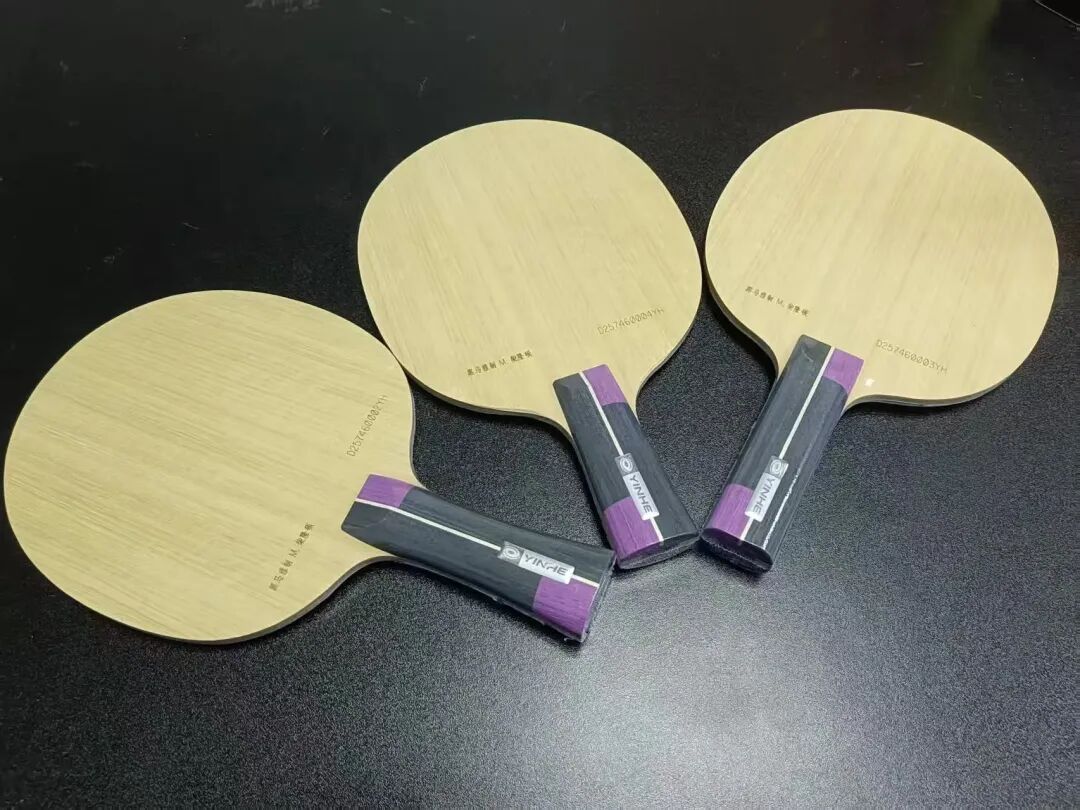
Ogimura Ichiro — men’s doubles world champion and Olympic champion (paired with Chen Longcan), and Lin Yun-ju’s former private coach — shared with Tabletennisking magazine his three conditions for a high-quality Chinese-style serve.
Chinese players have always used tacky, high-spin rubbers, and with legendary servers like Liu Guoliang and Ma Lin in their lineage, many people associate Chinese players’ serves with “heavy spin and rich variation.” However, what Chinese players actually prioritize most is “not letting the opponent attack the return aggressively” — because once the opponent gets a free ball, it’s very hard to reclaim the rally.
(Side note: especially with the rise of flip attacks, limiting the opponent’s ability to flip aggressively has become critical. And in recent years, the effective use of backhand serving has reinforced the importance of “not letting the opponent attack the return freely.” Case in point: Ma Long’s dramatic comeback over Lin Gaoyuan at the 2024 Macau World Cup, and Wang Manyu’s breakthrough over Sun Yingsha at the China Grand Slam this month — the backhand serve played a role in both.)
Ogimura Ichiro noted that the first and most important condition for a quality Chinese serve is: it must be low. The ball must clear the net by no more than one-and-a-half ball heights. Clearing by more than two ball heights is considered a mistake. Chinese players learn from an early age that serves must be as low as possible.
The second condition is rich variation in placement — left-right and long-short — and effective coordination with your own third-ball attack plan.
For example, Hugo’s forehand short receive is relatively weak. Every player has receive strengths and weaknesses. On one hand, spread the placement widely; on the other, target the opponent’s weaknesses and link the serve to your own scoring patterns.
The third condition for a quality serve is making it hard for the opponent to read the spin. If you add motion behind the ball — like a hook action — the opponent struggles to read the spin amount. Or adding a fake motion after contact makes it hard to understand the actual paddle angle at impact, which prevents effective receive.
Beyond these three conditions, Chinese players also emphasize serve speed. Not a slow arc, but a flat, fast trajectory that gives the opponent no time to spare — making spin even harder to judge.
Due to the widespread adoption of flip attacks, even Japanese players now focus more on serving. Previously they over-prioritized heavy spin, but extremely heavy spin can cause the ball to float up, and the second bounce comes out long and easy to attack aggressively.
(Coach’s note to me: So when I compete against professional-level opponents, the key isn’t serving with the most spin — it’s serving as close to no-spin as possible.)
In the plastic ball era, spin levels overall are lower. With hawk-eye systems now in use, serve scoring rates have dropped. But those three conditions above remain the core of an excellent serve.
The opponent serves a heavy, fast, no-spin ball to my backhand — pressed in. How do I receive that?
It’s pressed in — heavy and fast, not much spin. Two options. One: at the rising phase, push, flick, or rip — all work. Two: step back half a step, wait for the descending phase, and loft a heavy loop.
The core of receive is knowing when to generate your own power versus when to borrow the opponent’s, and especially whether to contact the ball at the rise or descent.
Ma Long, Aruna, An Jaehyun, and Xiang Peng are all forehand-dominant players. Why does Ma Long’s backhand look so much more versatile?
Ma Long’s backhand produces balls that are just a bit strange. Sometimes the power looks big, but the opponent can’t easily borrow his pace. His backhand has enormous variation — he uses almost every technique available, and frequently throws in sidespin cuts and similar moves. His backhand isn’t the crushing type like Fan Zhendong or Zhang Jike, but the variation is enormous. It’s a bit like Ma Lin’s backhand — different grip style, but same spirit: unorthodox, unpredictable, never gives you the rhythm you’re used to.