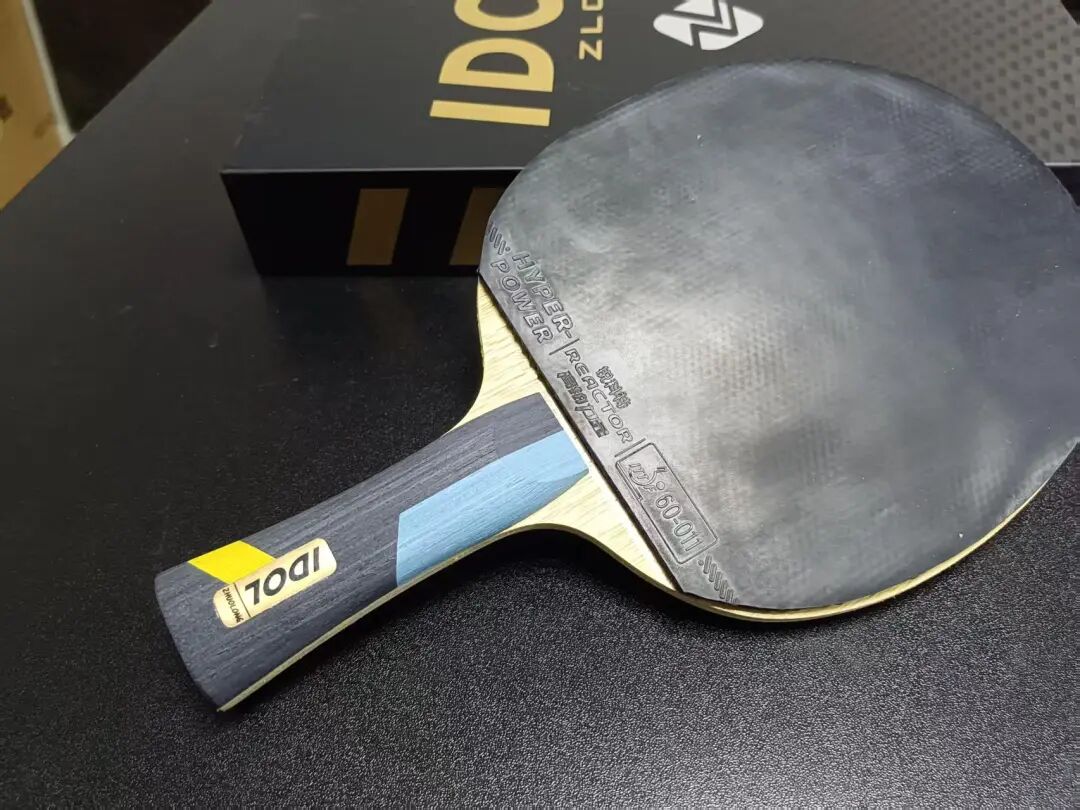
First Impressions: Zhuolong IDOL INNER ZLC — A Different Kind of Inner ZLC
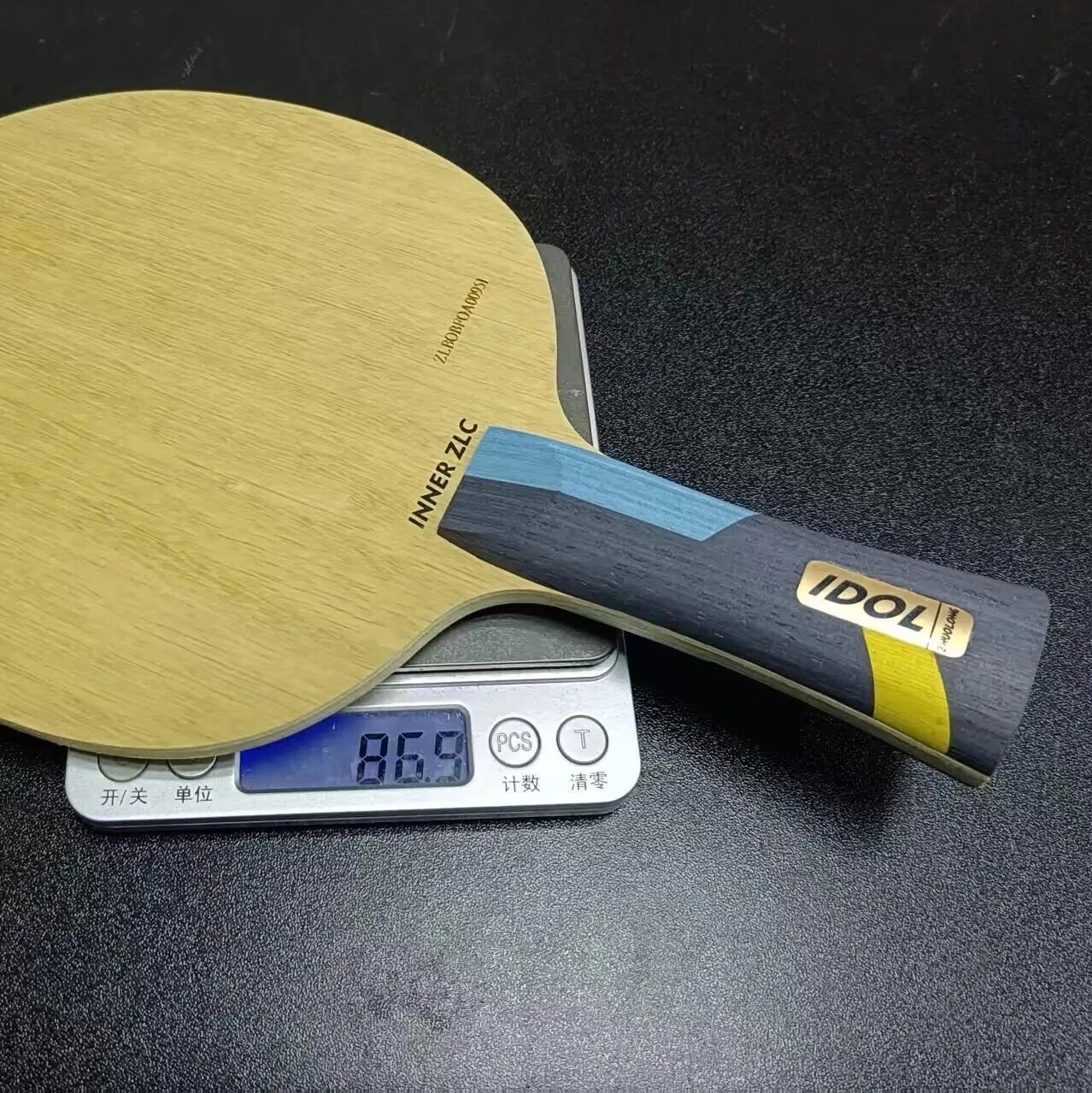
This blade has been generating considerable online discussion lately, for two reasons: first, its construction bears some resemblance to the Zhang Zhihe Super ZLC; second, it’s priced low — around 300 yuan.
Zhuolong as a company, and the Xi Enting brand, have been around for a while. Previously their focus was mostly OEM manufacturing, but now they’re launching products under their own brand.
Aesthetics and Construction
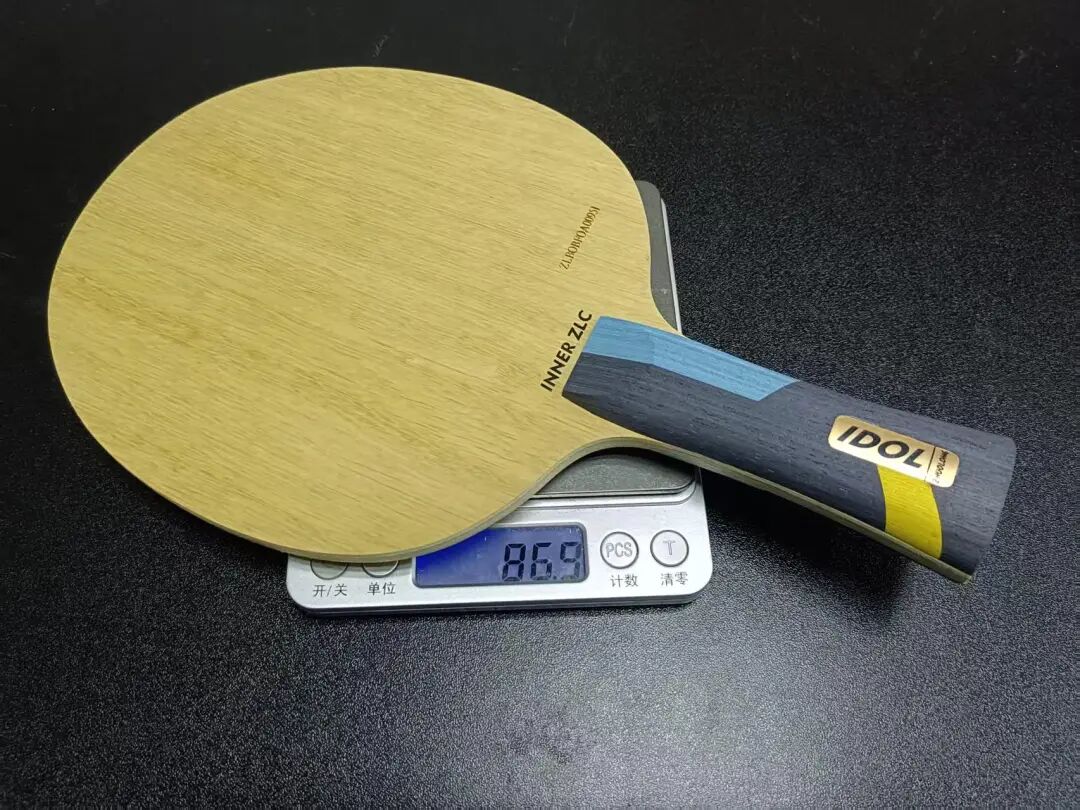
For a shakehand blade, the IDOL INNER ZLC looks quite good. Gold badge, clean color scheme, nice clarity. The tail-plate coloring is a bit muted.
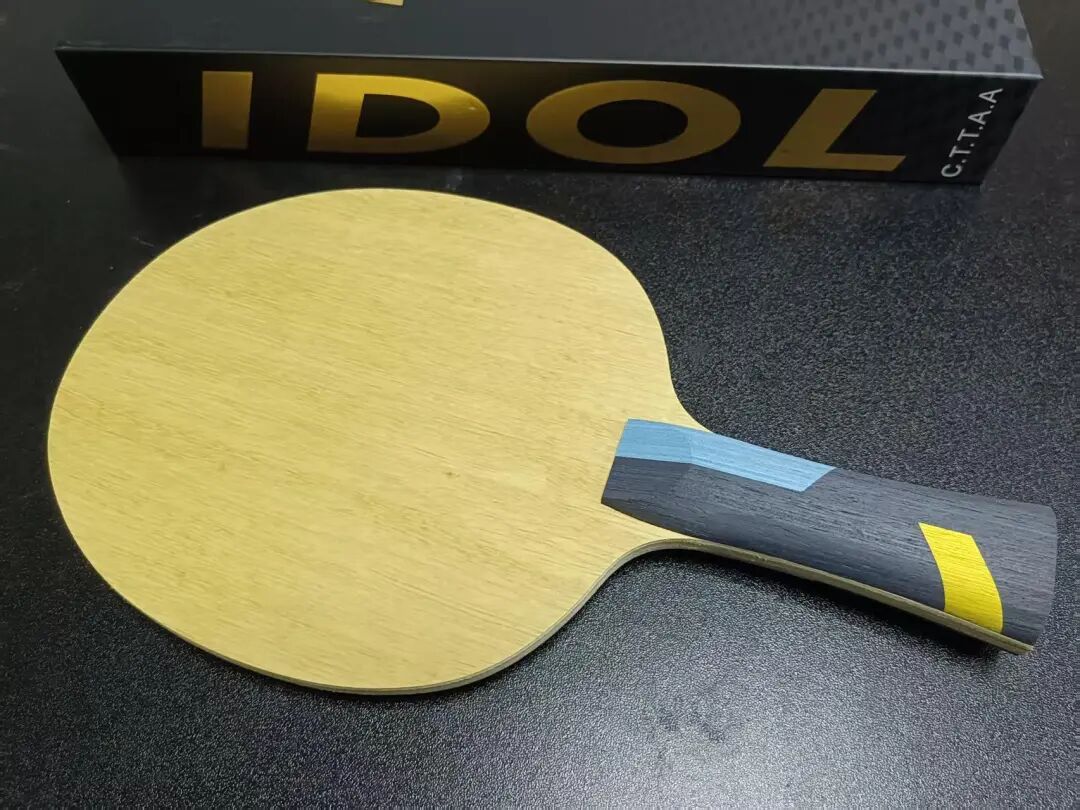
Actual tested weight: 86.9g. Structurally, there are indeed similarities to the Zhang Zhihe Super ZLC.
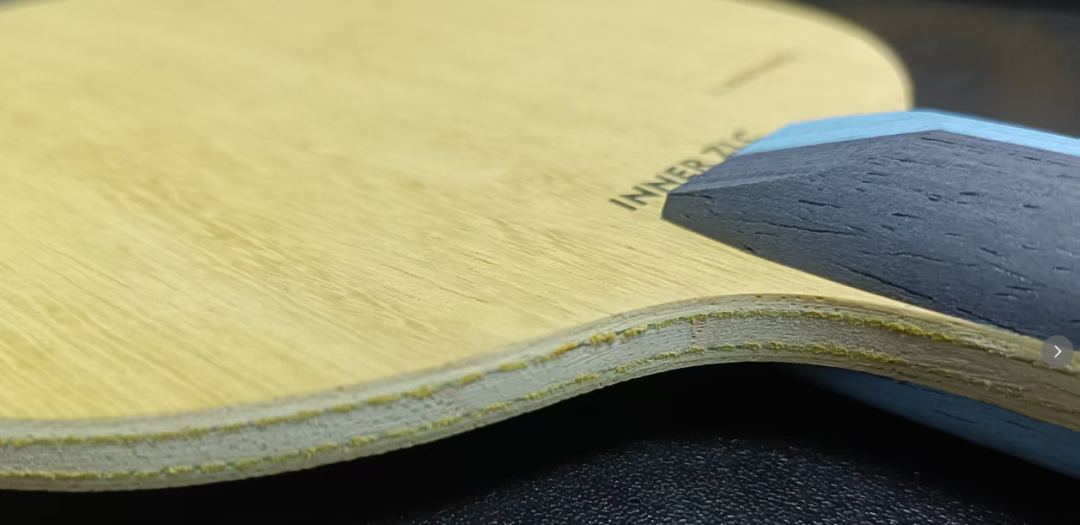
Limba face veneer, ayous force ply, ZLC fiber layer, paulownia core. 5+2.
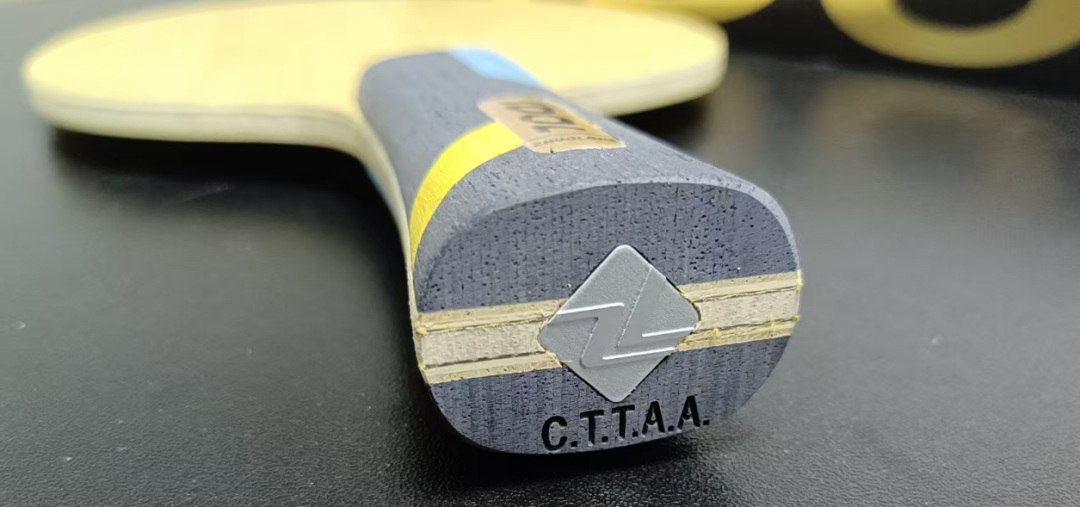
In plain terms: the IDOL INNER ZLC uses standard ZLC, while the Zhang Zhihe Super ZLC uses encrypted Super ZLC. This produces a different stiffness character — the Zhang Zhihe Super ZLC feels firmer and springier. Thickness is similar, with the IDOL INNER ZLC slightly thinner.
Some players will also compare it to the Innerforce Layer ZLC (the “little yellow man”). The main difference is that the IDOL INNER ZLC uses a paulownia core, while the Innerforce Layer ZLC uses an ayous core. As a result, when you hit hard, the Innerforce Layer ZLC suddenly releases a larger overall flex and a catapult sensation — the feel goes from soft to hard, and the depth of feel intensifies. The IDOL INNER ZLC is more linear by comparison.
On the Table
The IDOL INNER ZLC leads with an honest, linear feel — the amplification isn’t dramatic, so there’s no sudden jump in gears. Medium stiffness in the head: not the soft-elastic feel of the Innerforce Layer ZLC, and though it shares structural DNA with the Zhang Zhihe Super ZLC, it doesn’t match that blade’s hard-springy character either. Support is solid but doesn’t feel particularly springy.
The arc through the mid-table range is quite stable and full. The grip feels a bit broader than the Viscaria. Defensively it shows real stability.
This isn’t a violent, explosive-feel blade — but it’s genuinely solid. Feedback clarity is adequate, nothing breathtaking, and the learning curve isn’t steep. Mid-range to deep court, the arc is more ordinary; this blade is best suited for close-to-mid-table play. Directional control is good, and it handles both attack and defense steadily. Compatible with both tacky and tensor rubbers alike.
At its current price, the value proposition is reasonable.