A Doctor's Advice: How to Play Table Tennis Safely (Part 1)
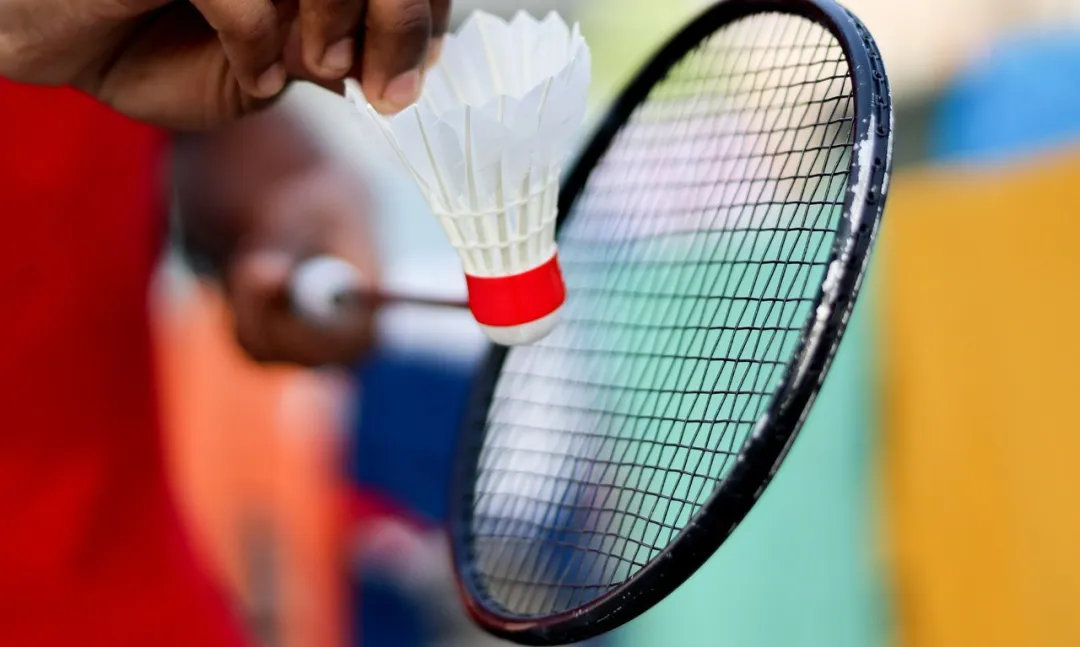
It’s worth putting out some content on how to play table tennis in a healthier way — proper protection, avoiding sports injuries. So I’ve put together a Q&A with Dr. Yang, a surgeon at a provincial hospital who is also a seasoned table tennis equipment enthusiast.
Regarding the young national badminton player who collapsed and died on the court — he seemed physically healthy with no known conditions. What do you think most likely caused this tragedy? Was it excessive training intensity?
Dr. Yang: Based on the presentation, this appears to be a case of sudden cardiac death. First of all, sudden cardiac death is most likely to occur in athletes engaged in intense physical activity — sports like soccer, basketball, and badminton, which involve explosive bursts of effort combined with prolonged endurance challenges. That combination creates risk.
What are some hidden or underlying factors that could lead to this kind of incident?
Dr. Yang: The causes of sudden cardiac death include congenital heart disease and cerebrovascular events — meaning a sudden death that originates from congenital malformations of critical blood vessels in the brain.
It also relates to an individual’s condition at a particular time. As I mentioned before: whether you got adequate rest before competition, whether you’ve had poor sleep; whether your diet has been regular. Whether there have been any baseline issues recently — food-related diarrhea, a minor viral infection — any of these can be contributing factors.
Another factor is taking certain medications. Some drugs affect the heart. One of the most common examples is moxifloxacin — if you engage in intense exercise while taking it, it could potentially cause sudden cardiac death. Certain psychiatric medications can also trigger this kind of reaction. So if you’ve recently been on any medication, be careful and avoid overly intense exercise.
In daily exercise, the first thing to watch is exercise load. Second, be careful during medication use, while sick with a cold, or when your baseline health is poor — for example, if your blood pressure has been high recently, if your cardiac load is elevated, or if you’ve had a COVID-19 infection. Do not engage in intense exercise under any of those conditions. It is genuinely dangerous.
Personally, I once went jogging while fatigued. After ten laps, I started experiencing premature ventricular contractions — early beats from the ventricle. That’s a warning sign and could potentially trigger sudden cardiac death.
To give an example: German soccer is well-developed, and the Bundesliga has a rule that if the team doctor believes you currently have a cold, they can refuse to let you play. Germany recognized this issue back in the 1990s — players with a cold are not allowed on the field to prevent viral myocarditis from triggering sudden cardiac death.
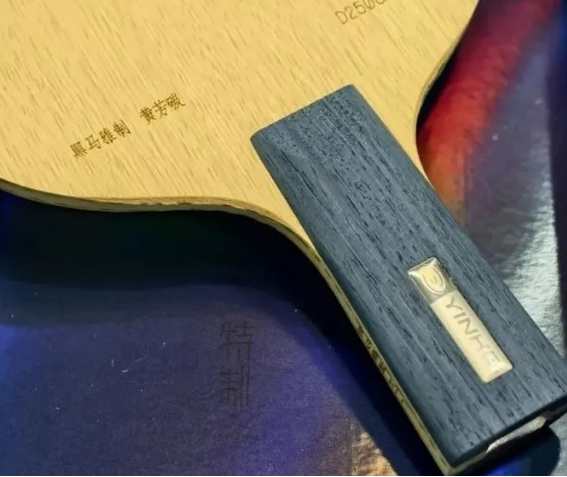
If I simply feel tired tonight — drowsy and fatigued — would you recommend going to play table tennis?
Dr. Yang: First, you need to distinguish between muscular fatigue and fatigue caused by low energy. If it’s muscular fatigue, moderate aerobic activity can actually help relax the muscles — in that case, table tennis is fine, but I wouldn’t recommend going into an intense match.
You can do some serve-and-return drills with a partner, keeping it light and relaxed. If the activity gets too intense, you risk muscle injuries and other problems. And since your muscle strength is reduced, large sweeping motions may lose form and degrade the quality of your training.
If it’s low energy — a lack of mental vitality — I personally strongly advise against exercising at all. For one thing, your concentration will be poor and the experience won’t be good. For another, it can trigger elevated blood pressure or premature heartbeats.