Wait — Did I Buy a Counterfeit?
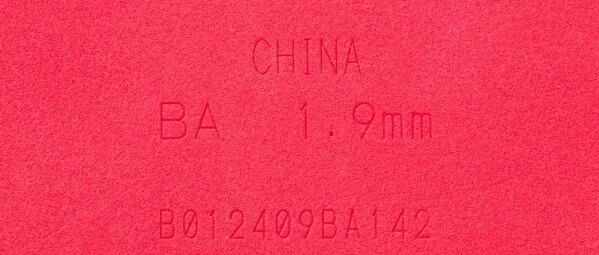
On June 1st — Children’s Day — two things happened. One: I forgot to buy myself a Children’s Day gift. Two: Butterfly Japan’s official website published an article with the following theme: some genuine Butterfly products on the market have been modified; while they are authentic, the modifications were not done by Butterfly, yet they are now widely circulating at premium prices.
The article provided several examples:
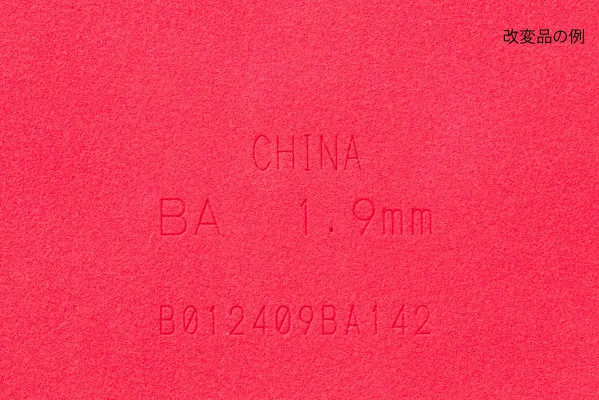
First: The sponge has “CHINA” engraved on it, to fake a national team special.
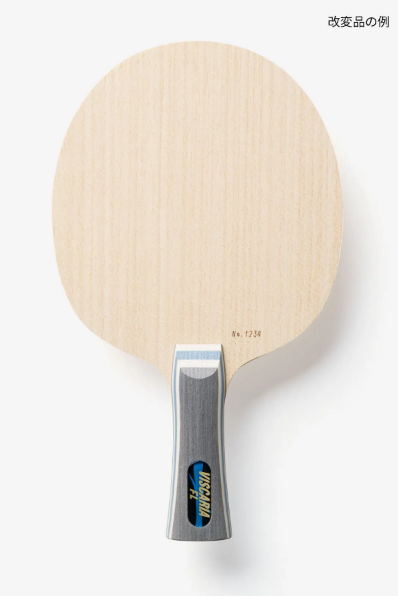
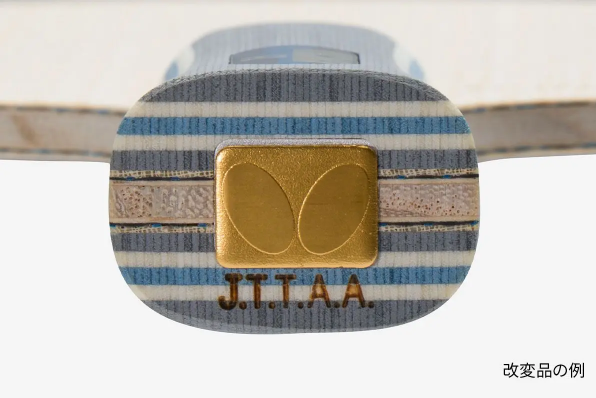
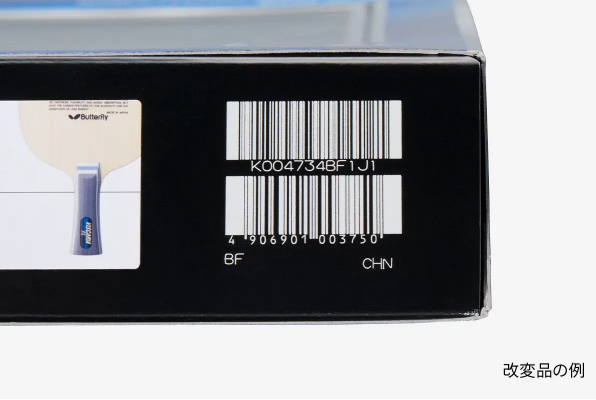
Second: A “short code” has been engraved on the right side of the blade face, or the tail plate has been swapped for a gold one, or the box has been stamped with “CHN” — all to fake a player-spec special or Chinese national team special.
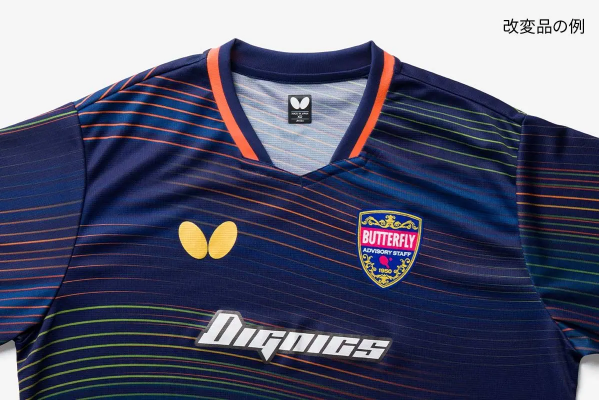
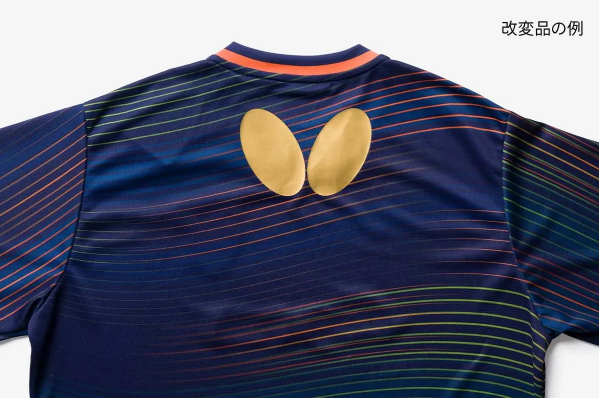
Third: Even jerseys have been modified, to pass as special-edition uniforms (worn internally by staff or athletes).
Now there’s a lot to unpack here.
1
Basically, if a retail blade has “CHINA” or “CHINA SP” engraved on it, it’s very difficult to tell the difference. I recently bought a D09C labeled as a CHINA special, and in my article about it I mentioned I couldn’t really feel much difference from the retail version — just a tiny bit springier.
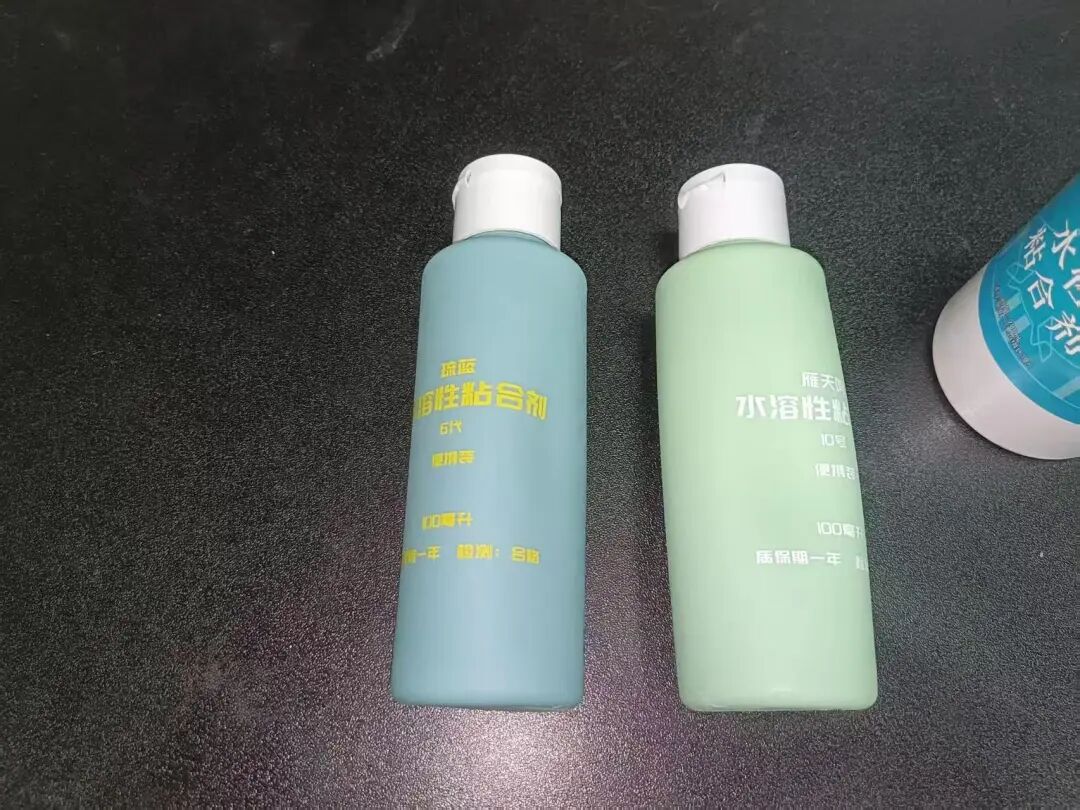
I later realized the slight extra spring might have come from the brand-new Yan Tianming inorganic glue I was using. That glue isn’t just sticky — it has decent elasticity too.
Is it possible that what I bought was actually a modified retail product, exactly as described in Butterfly’s notice? Absolutely possible.
Because if someone with my gear-obsessive sensitivity can’t feel a clear difference from retail, it very well might be retail.
And unlike before — when the few specials I got came through contracted players — this one was bought online. Even from a relatively trusted channel, there’s no guarantee it’s a genuine special. This corner of the hobby runs deep.
2
About player-channel specials: yes, going through an actual player is relatively reliable. Other channels — not necessarily. I’ve had a friend buy a player special from a well-known former national team player (not a Butterfly-contracted one), and when I asked the actual contracted player, he said he’d never seen that blade.
Player-spec equipment is real. But the amount that actually makes it to market is vanishingly small — and shrinking, because Butterfly now has a buyback policy.
As for performance: yes, you can feel a difference from retail, and you can find something special in them. But it doesn’t necessarily fit you better. I’ve had genuine specials — both player and custom — and more than once they didn’t suit me as well as what I was already using, so I didn’t hold onto them.
Everyone hopes their gear will maximize their game. In reality, that contribution is a drop in the ocean. Retail is already enough.
3
Statistically, the odds of buying a counterfeit will only go up — even for people not chasing specials.
I used to think I had essentially zero chance of buying a fake Butterfly. I stuck to authorized retail product exclusively. More expensive, sure, but the resale value on the second-hand market is also higher. Later I started buying some Japanese-import versions. Haven’t hit a fake yet, but the statistical probability of eventually encountering one is very real.
And the quality of fakes these days is genuinely remarkable — some counterfeit Butterfly and DHS blades are nearly indistinguishable from the real thing. So when someone messages me asking me to authenticate, I just don’t reply anymore. I don’t have the energy, and honestly I don’t have the eye for it.
The practical takeaway: if you don’t buy often, stick to authorized retail — at least you can verify it. Everything else, trust your channel. And some of those so-called specials — the dealer might be selling fakes without even knowing it.
Besides, as everyone keeps saying, a lot of domestic Chinese blades now actually play better than Japanese brands. Quality control may not be as consistent as Japanese production, but the ball quality can be higher.