How to Generate Power with the Penhold Backhand Drive
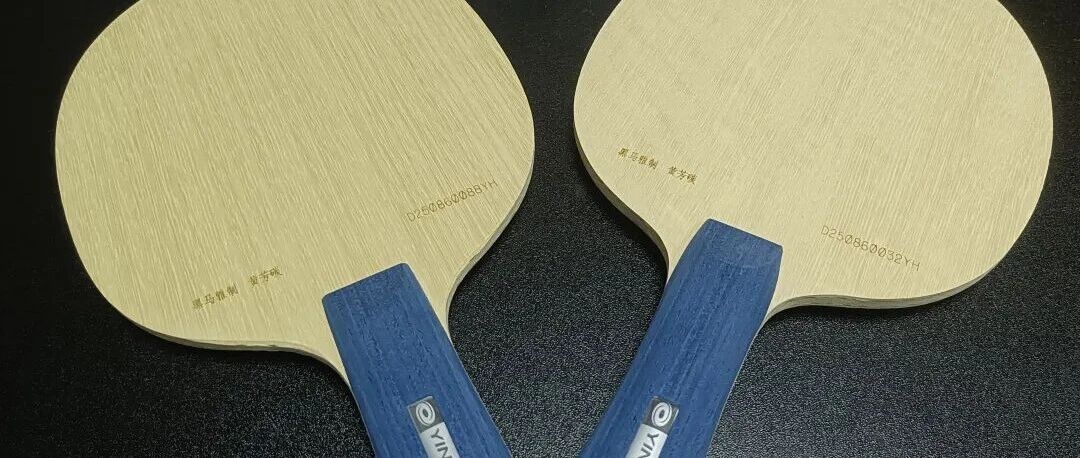
This is a brand-new, technique-focused column. It takes the form of a Q&A. The expert respondents are two former Chinese national team players — now veteran coaches — who prefer to stay anonymous. They just want a quiet life and a good night’s sleep.
Sharing these technical insights feels genuinely worthwhile, and this column — “Peak Performance” — was born from that spirit.
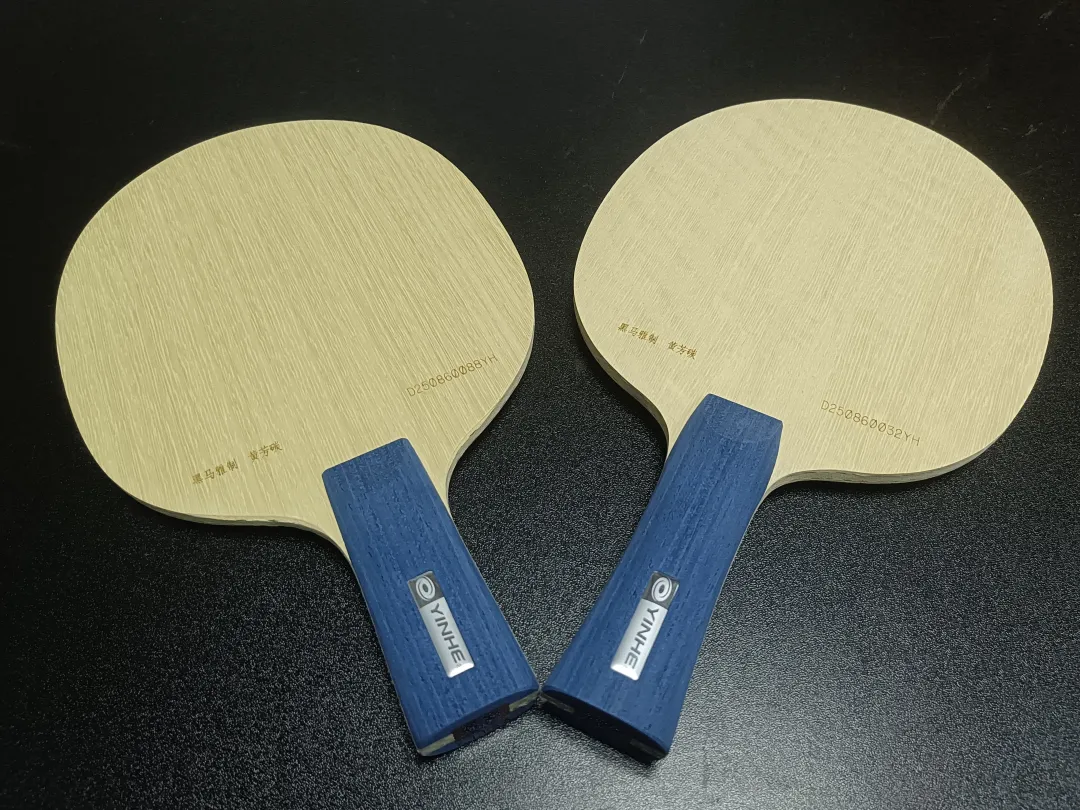
Why Is It Hard to Attack Off the Receive?
Q: When receiving, I always feel like it’s hard to get into an attacking mode. Where’s the problem? And what’s the correct footwork habit?
First of all, your heels are planted flat on the floor, so the moment your opponent serves even slightly short, you can only “lean and push” the ball — meaning you start the rally in a passive, pushing-only mode right from the start. Your weight never transfers forward. Your opponent sees your stance and immediately prepares to attack you.
If your weight is properly loaded forward, your paddle is close to the ball, and you can choose to place short, push long, topspin loop, or flick — too many options for your opponent to read. Once you’re standing too far back with a high center of gravity (meaning you need to lower your body), your opponent knows you’ll almost certainly just push. He’s just waiting to loop.
Keep your knees in front of your toes, heels slightly raised. That way your body is compact and ready to explode at any moment.
Good footwork means bouncing lightly as you move, using the balls of your feet — not the toes, not the full foot. When playing forehand, the right foot plants firmly. For backhand, plant the left foot or both feet. Knees over toes, heels barely off the floor.
When moving, your body should feel like it’s in a constant state of readiness — not waiting to see the ball and then dipping down and shifting.
How to Generate Power in the Penhold Backhand Drive
Q: How do you actually generate power for the penhold reverse-side (backhand) stroke?
For players at a more basic level: start with wrist snap and backswing. When receiving, relax the wrist and prioritize consistency first.
For players with some foundation: when hitting with the reverse side, the index finger, wrist, and back of the hand all fire together. The thumb adjusts the blade angle. The index finger does the most work — around 50%. The back of the hand and wrist contribute the other 50% combined. So the index finger is the primary power source.
How to Practice Weight Transfer Without a Ball
Q: Is there a good shadowplay drill for improving weight transfer?
Press your weight down, keep knees over toes, drive from the balls of your feet through your hips — push your hips forward. Keep your core tight. Start without moving your hands at all — just practice rotating left and right.
For the forehand side (right-handers): the power center is the right side of the abdomen and the right hip. For the backhand side: the power center is the balls of your feet and the abdomen.