How to Hold Your Game Together as You Get Older (Part 1)
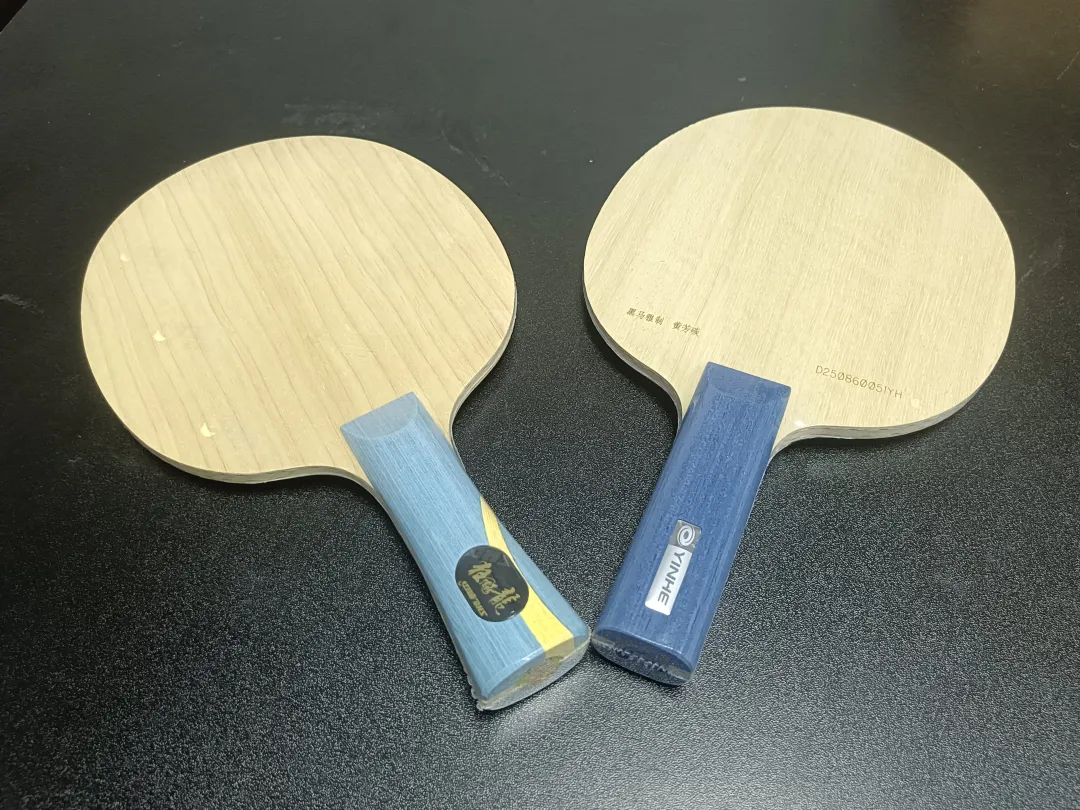
Late one night, after a session, I was chatting with some of my regular hitting partners. We all agreed on one thing: nobody has the stamina they did a few years ago. Back in the day, some of us could go seven or eight matches in an evening without breaking a sweat. Now, a lot of folks call it done after two or three.
There are plenty of reasons for that — getting older, the lingering physical toll from the pandemic, plus work and family demands wrecking your sleep schedule. Bottom line: the energy just isn’t there like it used to be, and even younger players seem to feel it.
So how do you fight back against the technical decline that age and fatigue bring? That’s what I want to dig into today.
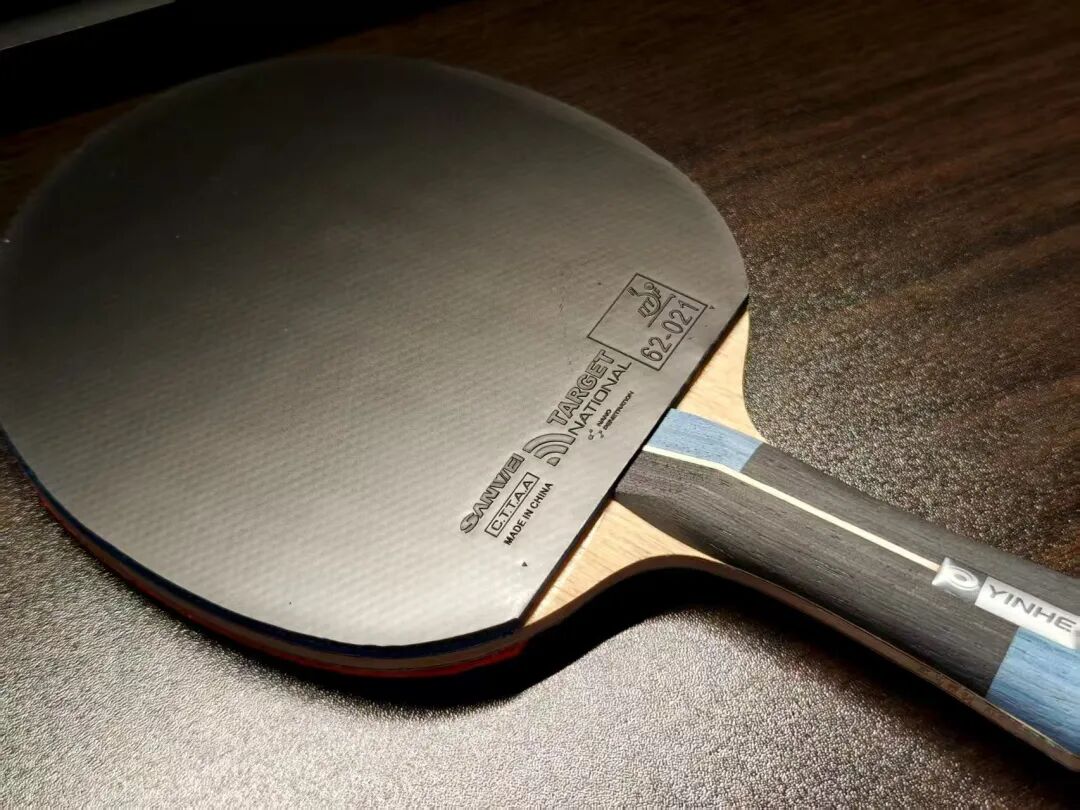
First, I went straight to a former national-team player to get the expert take.
Me: How do you hold off the skill decline that comes with getting older? What’s your read on this?
Former national player: Speed, power, footwork — forget about it. Those go downhill with age and you can’t stop it. You have to work smarter with spin, angles, rhythm, serves, and set plays.
Spin, angles, and set plays still require a baseline amount of drilling. The most common approach is to combine your serves with angle placement — that’s often enough to win points.
Once rallies break out, you have to use rhythm to control your opponent. That’s the only way you can still win.
On the set-play side, at minimum you need a serve-then-attack plan — what most people call a “prepared third ball.” Think about what your opponent is likely to do with your serve, and have your next attack ready before you even serve.
On the receive side, after they serve, it depends on your level. Focus mainly on ball placement. Try to squeeze them — don’t let them get their paddle up cleanly. Then you can attack.
Beyond that expert advice, here are my own observations on dealing with physical and technical decline as you age.
1. Your game needs to become more well-rounded
You need more ways to score.
About ten years ago, a senior player told me that in his prime he could attack anything even slightly off the table with a forehand pivot loop. But as he got older — being a penhold player — he had to cut back on those pivot loops and rely more on backhand blocks. His threat level obviously dropped. He had to start scoring through variation in his blocking rhythm and stronger defensive play.
For those of us on shakehand, the backhand scoring ability has to improve too. Back when I was in better shape, more than 60% of my attacks in a session came from forehand pivot loops. These days, after four or five games, I might throw five pivot loops total — sometimes I just do a high topspin lob off the pivot.
My backhand is still not very reliable, but unless I’m in a competitive match, I’ll still lean on that half-decent backhand of mine. That goes double when playing someone at a lower level.
Sometimes a deliberate long push, or consciously borrowing pace on the defense to redirect the ball, can also be a scoring option.
On the serve side too — over the past couple of years I’ve noticeably added more variety. Just trying to end points as quickly as possible.
2. Sleep matters more than you think
Good sleep lets your body recover. When you’re rested, your eyes track the ball sharper, your head is clearer, and you actually have energy to play.
On weekday evenings I usually tap out after three or four games, and most of the time I’m not playing at full intensity.
But on Saturday and Sunday afternoons? Completely different story. Sleep in the morning, and I feel energized all afternoon.
For players getting on in years, good sleep is what gives you the energy to play your best table tennis. That’s something everyone can relate to.
And honestly, more sleep just puts you in a better mood for playing. When you’re a little drowsy, you can’t really feel the joy of the game.
For a lot of people grinding through their 30s and 40s — juggling careers, aging parents, young kids — the exhaustion is real. Enjoying table tennis at that level isn’t easy. Getting extra sleep when you can is genuinely important.
It’s only with that kind of rest that you can carve out a little energy to handle everything life throws at you. Not easy for any of us — but we’re all in it together.