How to Handle a Dead-Push Blocker, and Tips on Defending Loops
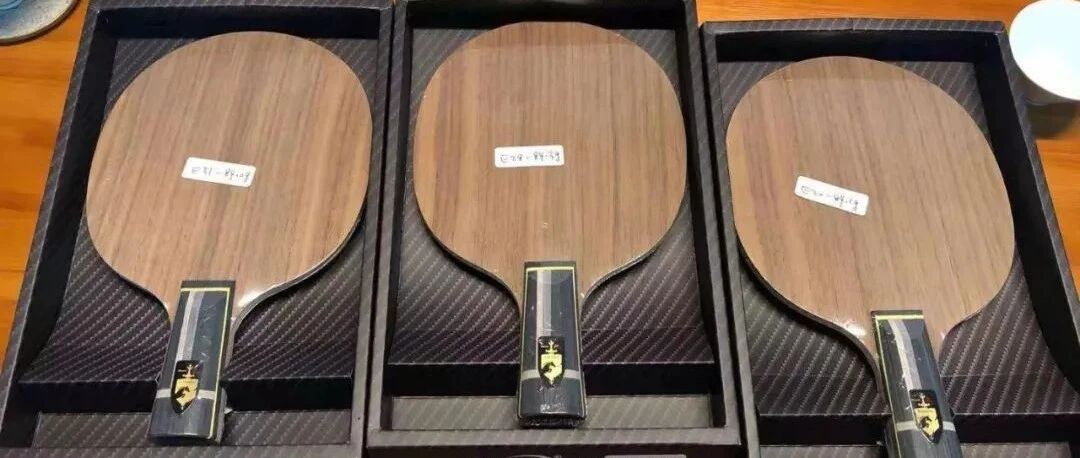
This is a brand-new, technique-focused column in a Q-and-A format. The mystery experts providing answers are two former national team players (both now veteran coaches) who prefer to remain anonymous. They just want a quiet life and a good night’s sleep — no fame needed.
I think sharing these technical insights with everyone is genuinely valuable, and a nice complement to what I usually cover here. And so the “Ascending the Peak” column was born.
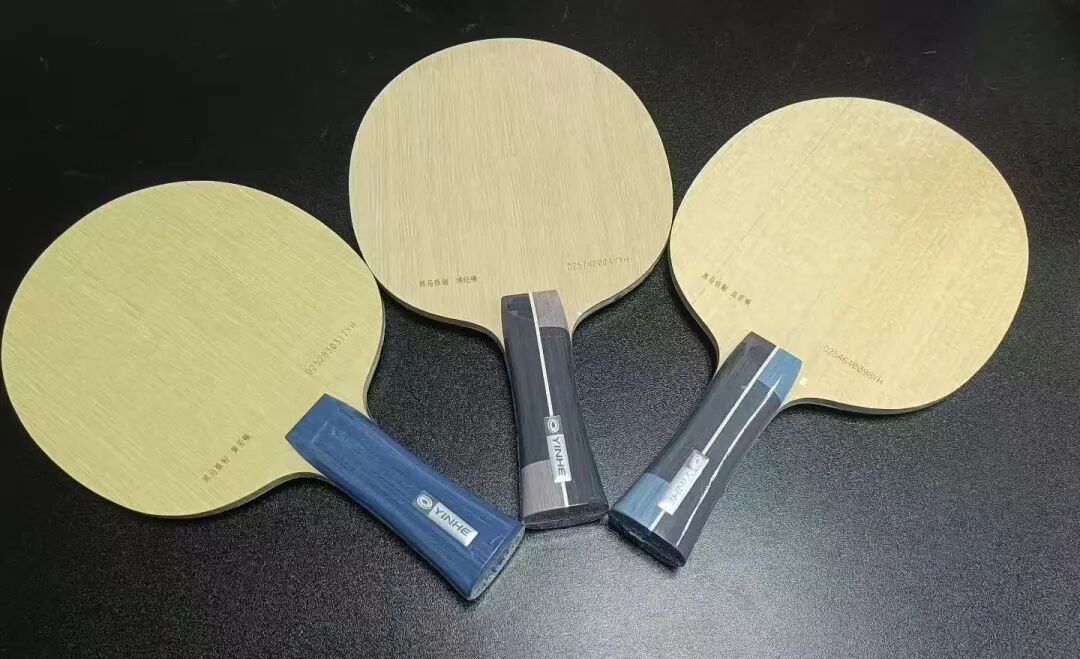
Q: How should I practice defense?
This mainly covers how to defend against loops. When defending a loop, the key focus is your body weight transfer — and your arm must stay relaxed.
First, defending against a fast topspin loop drive. Relatively speaking, your body should be engaged but your arm should be in a relaxed state — not limp, just not applying force. As the ball comes, lead with your body weight moving into it. When the ball is slightly above net height or level with the net, anchor your weight, hold the paddle at around 60 degrees, slightly upright. If the incoming force is quite strong, you don’t need to move your arm at all — let the ball’s own rebound carry it back. If the speed and spin are roughly equal, you need a slight slow “drawing back” motion to absorb the force on contact.
Second, defending against a heavy slow loop. If the ball comes very low with strong spin but little pace, your body weight should be slightly higher than when defending a fast loop, the paddle slightly above the ball, angled around 45 degrees with a hint of forward tilt, and your arm should draw back to absorb somewhat faster than for a fast loop. If the opponent’s slow loop goes very high, just wait for the peak and smash it down.
Q: How do you deal with a player who just dead-pushes everything and never attacks?
When your opponent keeps pushing very spiny balls and won’t attack, it’s hard to loop cleanly — the quality ends up low. Instead, “block-push” one ball to their backhand deep line. That next push they send back won’t carry as much spin and will be long. Then it’s much easier to get into the ball.
Q: Why is Boll’s “low-trajectory heavy-spin slow loop” so rarely seen these days?
A low-trajectory heavy-spin slow loop has extremely high requirements. Even at a 2300-level player it’s easy to make an error. You need:
- Precise distance control
- Footwork in position
- Relaxed mindset
- A very relaxed arm
- Control over the arc height
- A thin-contact stroke technique
- Forearm and wrist drawing back on follow-through
- Body weight pressing down and pushing forward simultaneously