Franziska's First Win in Ten Tries — and Hugo's Struggle with the Short Game
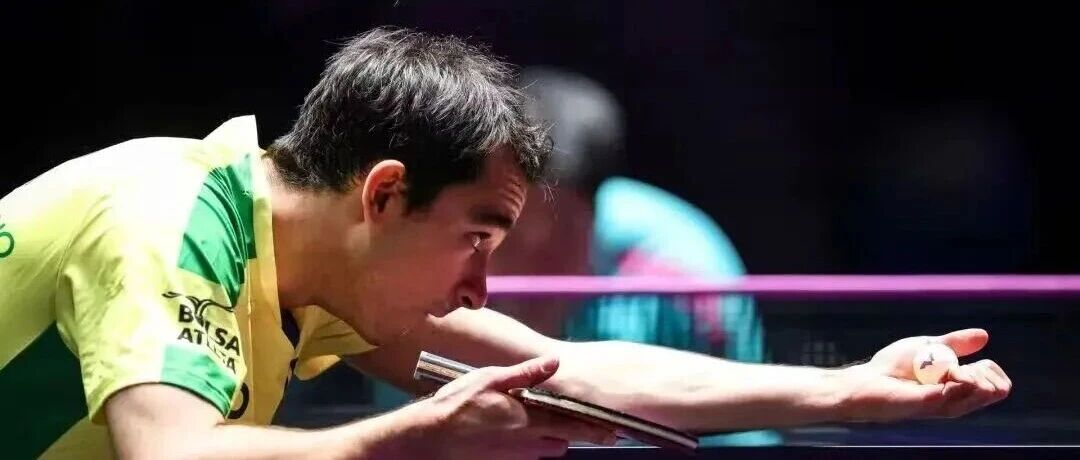
1. Franziska Finally Beats Harimoto: One Win in Ten Meetings
Franziska had been completely dominated by Harimoto Tomokazu going into this — nine losses in a row, a genuinely rough stretch. At the Singapore Grand Smash men’s singles round of 16, he finally won 3-2, breaking through on the tenth attempt. Everyone noted that Franziska plays in the same German Bundesliga club team as Fan Zhendong, so of course he’d pick something up. Time to level up.
That’s real — being around elite players accelerates growth, both technically and mentally. Maybe for the young players on China’s national team, Fan Zhendong’s current absence is a loss in that sense.
Franziska: Franziska ZLC, forehand D05, backhand T09c (likely)
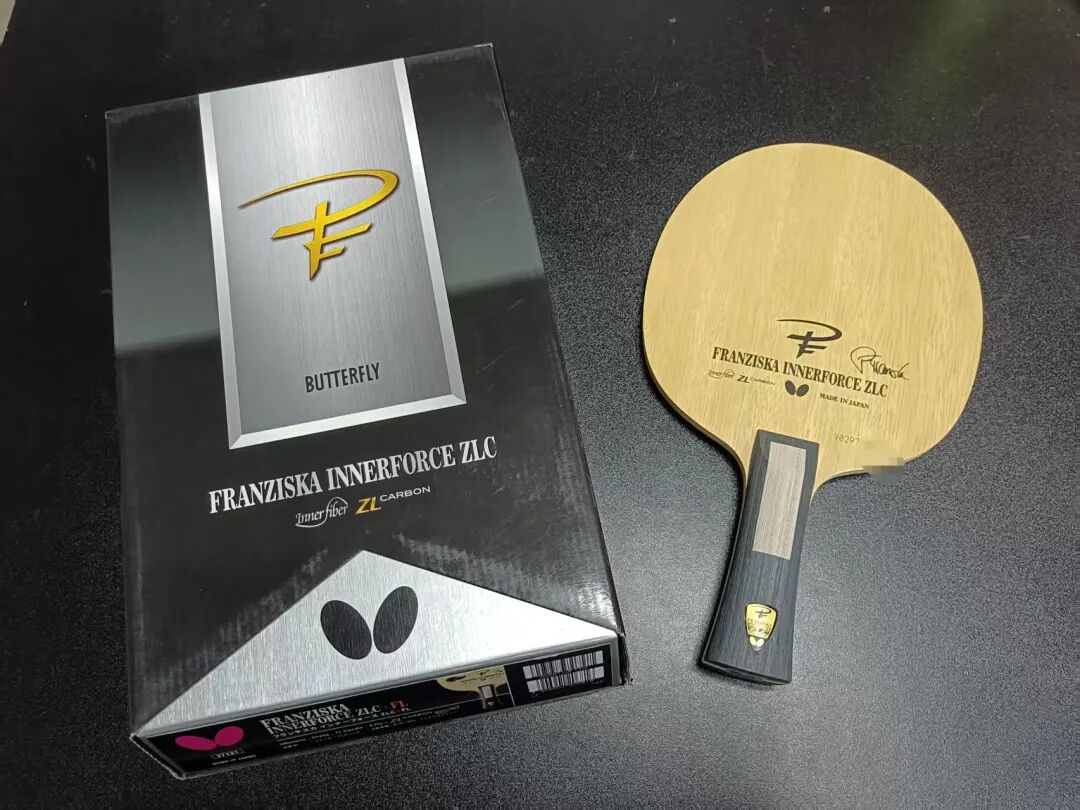
Harimoto: Harimoto SALC, Z03 on both sides
Aside from the fiber difference, one major distinction between these two blades is the core wood: Franziska’s ZLC uses an ayous core, while Harimoto’s SALC uses a kiri (paulownia) core. The ayous core is known for better flex tension, a springy feel, and deeper power at mid-distance — giving more punch and arc-building ability when backed off the table. The kiri core is crisp and transparent in feedback, cleaner on blocks, and more linear — making it easier to exploit close-table advantages thanks to the control.
Watching Franziska’s two-sided loops showcasing pure force, yet in backhand-to-backhand exchanges he’d occasionally look to sidestep and use his forehand. That gave an impression of not fully trusting his backhand — perhaps a hangover from those nine losses. Mentally, he’s always leaned a bit hesitant and prone to going blank under pressure. Fortunately this time, at least tactically, he executed fairly well.
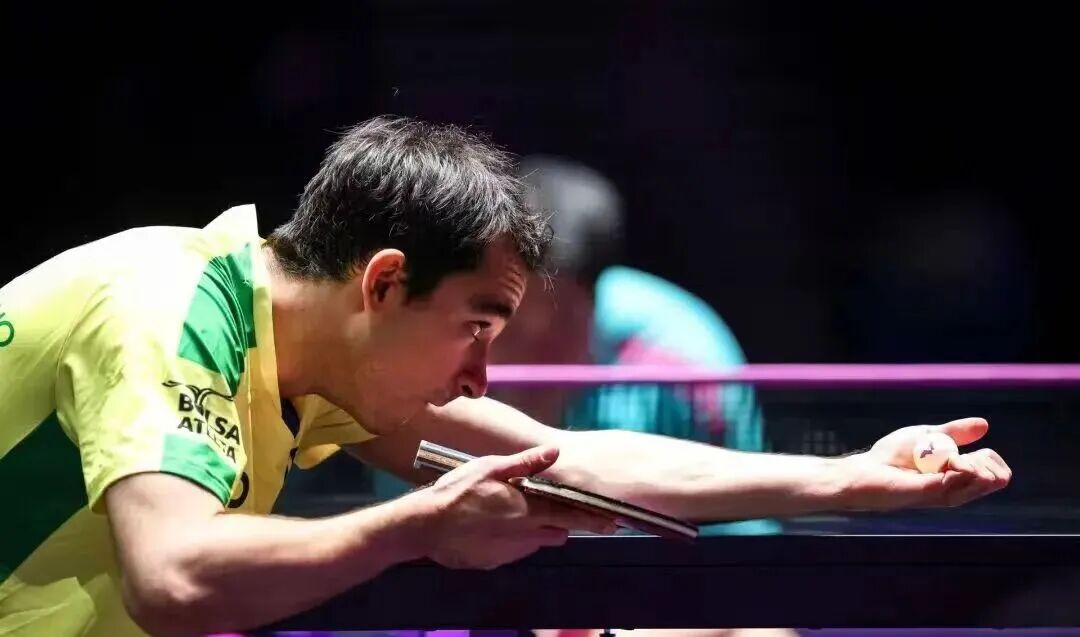
He served reverse spin to Harimoto’s forehand short more often. In that zone, Harimoto struggles to generate a high-quality flip. There’s a saying: your strength is also your weakness. Harimoto’s backhand is extraordinary, which means he leans on it heavily — so his forehand naturally becomes the softer side.
Of course, just targeting short balls to Harimoto’s forehand won’t sustain effectiveness on its own. At the crucial moments in the deciding game, Franziska switched to serving two fast-long balls to Harimoto’s backhand near the elbow — the effect was obvious. Combining fast-long serves to the follow-up position with short serves to the forehand is what makes the combination work. In amateur matches, relying on a single tactic might work early on, but opponents adapt. Having two different threats keeps them off-balance. Harimoto eventually figured out the forehand short ball, and then two fast-long balls threw him off again.
Beyond that, Franziska reduced his proportion of short touch exchanges in the later games — opting more for a long push or going straight to a flip. Sustained short-touch sequences followed by attacks is Harimoto’s comfort zone, after all.
2. Chen Yuanyu 3-1 over Hugo Calderano — Hugo’s Short Game Wasn’t Good Enough
Another upset: Chen Yuanyu beat Hugo 3-1 to reach his first Grand Smash men’s singles quarterfinal. Some fans are saying Hugo changed to Joola equipment and started looping more, but I don’t think the brand has much to do with it.
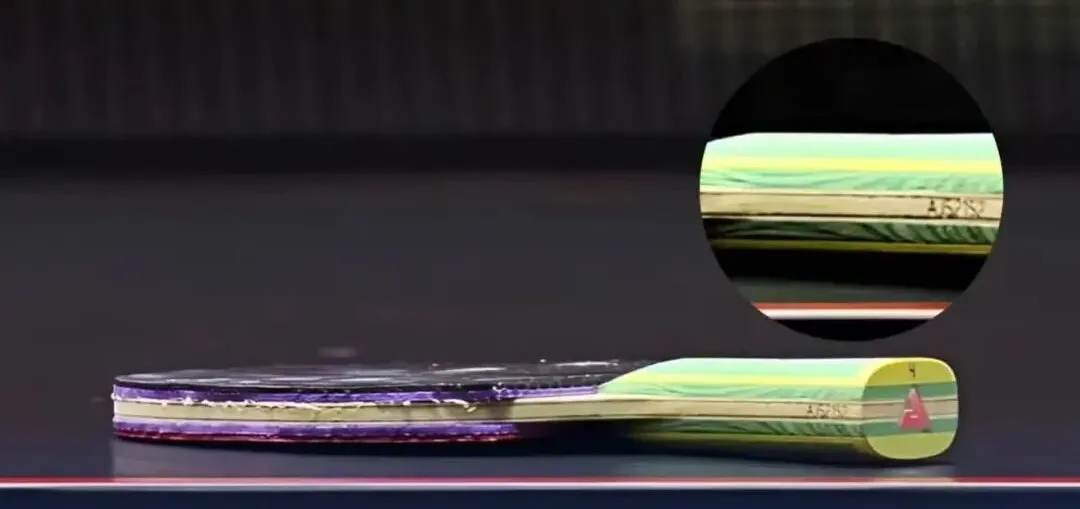
First, if Hugo had been using the Hugo HAL’s true construction at the World Cup and World Championships, he wouldn’t abandon it for no reason. Second, his form suddenly dropped in August of last year. He only switched to Joola equipment in December.
Before August of last year, Hugo was in tremendous form: Macau World Cup champion, Doha World Championships runner-up. And after Worlds, he took titles in Ljubljana, Buenos Aires, and Iguazu in a row. It wasn’t until the Sweden Smash in August that his form mysteriously collapsed — a 0-4 loss to Duda.
Since then he hasn’t hit another peak (aside from a forgettable Americas Cup win). After August he also lost to Jha (Montpellier Champions), Simon, and Felix Lebrun, and dropped several deciding games against Chinese players — Xiang Peng, Wen Ruibo, Chen Yuanyu. On one hand it looks like the excitement of his early rapid improvement wore off. His focus drifted — you know how many customized blades of different constructions the American headquarters sent him to test? He was still searching for his setup. And on the other hand, real winners must endure sustained pressure. Everyone is studying you now. Your evolution needs to keep going, and your thinking must stay sharp.
In yesterday’s loss to Chen Yuanyu, he didn’t play smart. Many of his short touch exchanges were sloppy — half-long balls that Chen could flick or loop off. In truth, even though his short game has improved, his bigger weapon is still the long ball. He initiated far too few deep pushes in this match. A lot of it seemed like feel-based play; his coach didn’t seem to be giving him much actionable guidance.