Fan Zhendong Teaches the Fundamentals of Table Tennis Technique
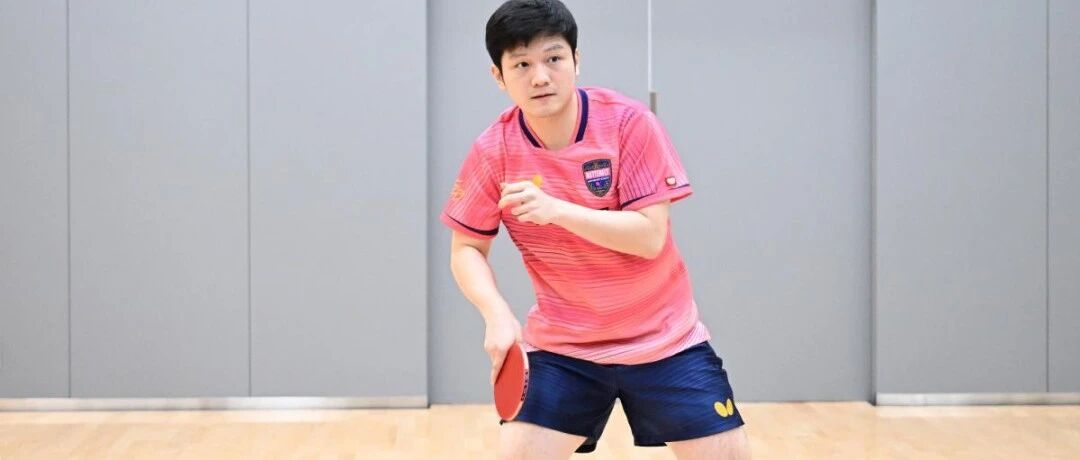
Looking closely at Fan Zhendong’s game, it matches what Butterfly’s official site describes: “The origin is the peak” — the strongest fundamentals-based style of play. Today, let’s learn from Fan Zhendong’s approach to “fundamental technique.”
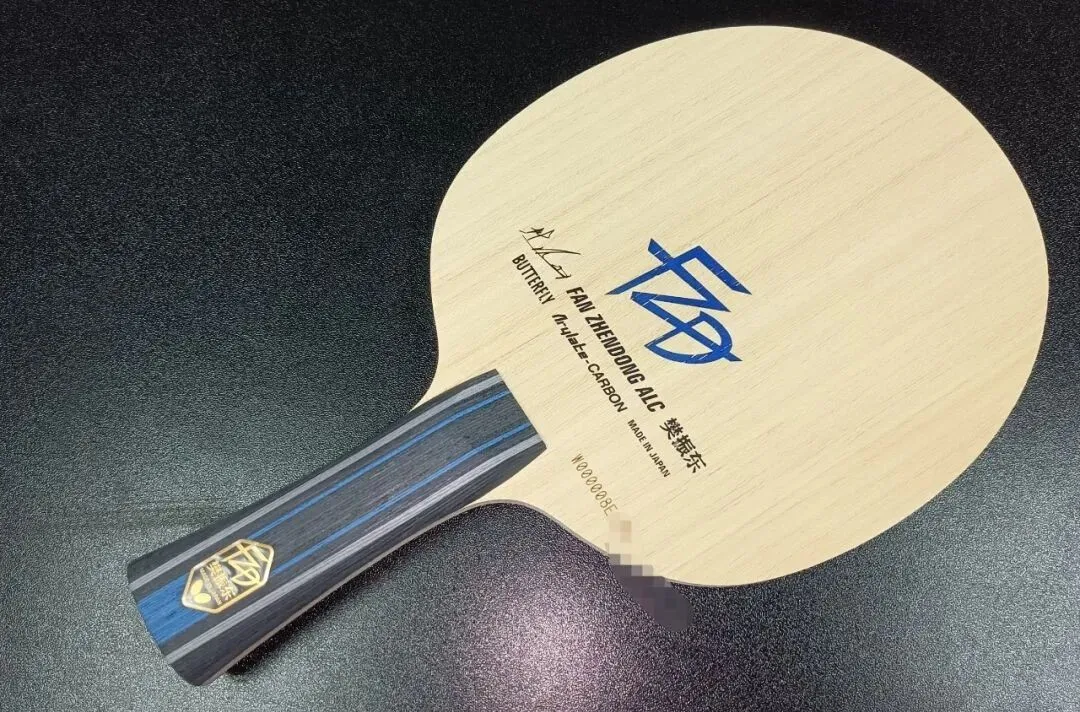
Fan Zhendong says he focused on basic practice from an early age — multi-ball forehand and backhand drills that not only built muscle memory but also gave him a sense of accomplishment. Basic technique matters enormously, and it enhances every other skill.
I’ve written before in this column about retired national team veterans repeatedly telling us: when teaching kids, don’t rush into power shots. Get the foundational movement right first. Learn to play using your body weight.
Forehand Loop — Mainly for Long Balls
Fan Zhendong makes several key points. First, don’t swing with only the arm — “coordinate the legs, waist, and hand together in one fluid motion.” Power transfers from the legs through the waist to the arm. At the same time, based on the incoming ball, use your sense-memory to strike. This raises both ball quality and consistency.
Personally, I think his mention of “sense-memory” refers to the mental imprint built through repeated training — knowing intuitively how to loop each type of incoming ball. I’ve mentioned before that we need to visualize ourselves playing and mentally correct our own form.
Fan Zhendong continues: for long balls, one key to looping is that “the contact point should be in front of the body.” This keeps the space between the ball and the racket open, allows greater variety in shot direction, and makes you harder to read.
Forehand Loop Against Backspin
Fan Zhendong says to “remember the feeling of returning the ball successfully.” The path of the swing should feel like you’re “drawing an arc.” Lock in that memory of a successful arc and the sensation that goes with it.
When looping backspin, lower your body weight more than you would for a standard long ball. Although the swing looks like it goes from low to high, the power direction isn’t just upward — you must simultaneously drive “from back to front.”
Note: before the swing, keep the arm completely relaxed. That allows you to accelerate through the moment of contact.
Backhand Loop — Mainly for Long Balls
The backhand loop is completed largely in front of the body; the motion is smaller than the forehand loop. Keep your weight slightly higher, and the swing is an over-the-top pressing motion. This is Fan Zhendong’s signature backhand drive.
Key point: fully relax the shoulder and elbow. That produces a more consistent contact.
When dealing with long balls, raise the body weight (at the waist level) slightly higher. This creates the sensation of swinging down onto the ball, which increases pressure on the opponent.
Backhand Loop Against Backspin
Fan Zhendong says the correct swing depends on the incoming ball. If the ball comes fast — a sudden push-long, for instance — the spin usually isn’t very heavy, and you can swing earlier. If the ball comes slowly, the backspin is likely heavier; delay your contact timing slightly. Lower your center of gravity, make good frictional contact with the ball, and generate arc.
Throughout, transfer the power from legs and waist into the arm. Play the ball with your whole body — that’s how you achieve consistency.
The Left Hand
Beyond these key points, one thing worth watching is Fan Zhendong’s left hand. Throughout the entire stroke on his right hand, his left arm stays extended forward. This helps maintain body balance, and it also sharpens his visual judgment of the ball.
At the end of the day, it all comes back to building a solid foundation. For us amateurs, completely overhauling our technique at this stage is very difficult. The bad habits we’ve accumulated are hard to undo one by one, and they’re the root cause of our ceiling. Still, we have to start from practice. Most of us don’t focus enough on deliberate drilling during play sessions — and without that, improvement is really hard to come by.