Tactical Principles for Competing Against Different Types of Opponents
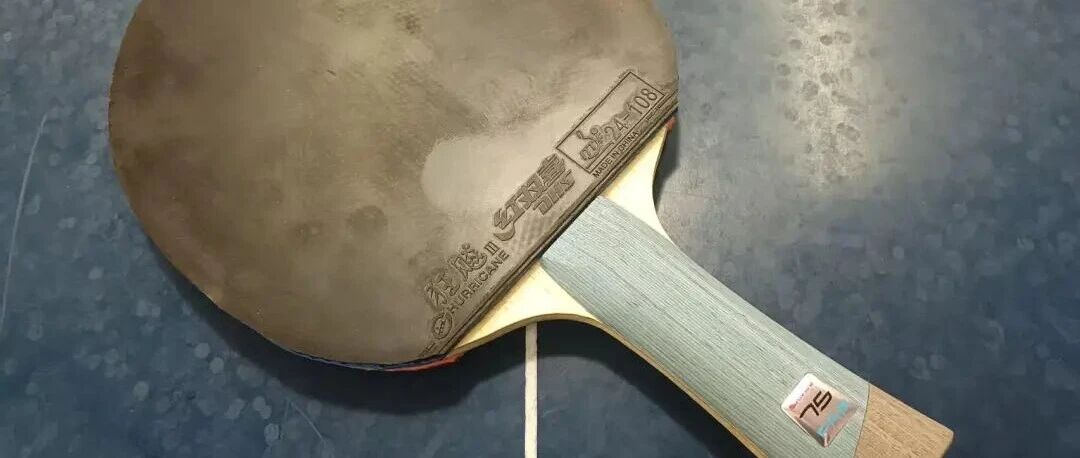
This is a technically focused column in a Q-and-A format. The mystery experts are two former national team players (veteran coaches) who prefer to stay anonymous — they just want a quiet, peaceful life.
I think sharing these technical insights is genuinely valuable.
With that, the “Reaching the Peak” column was born.
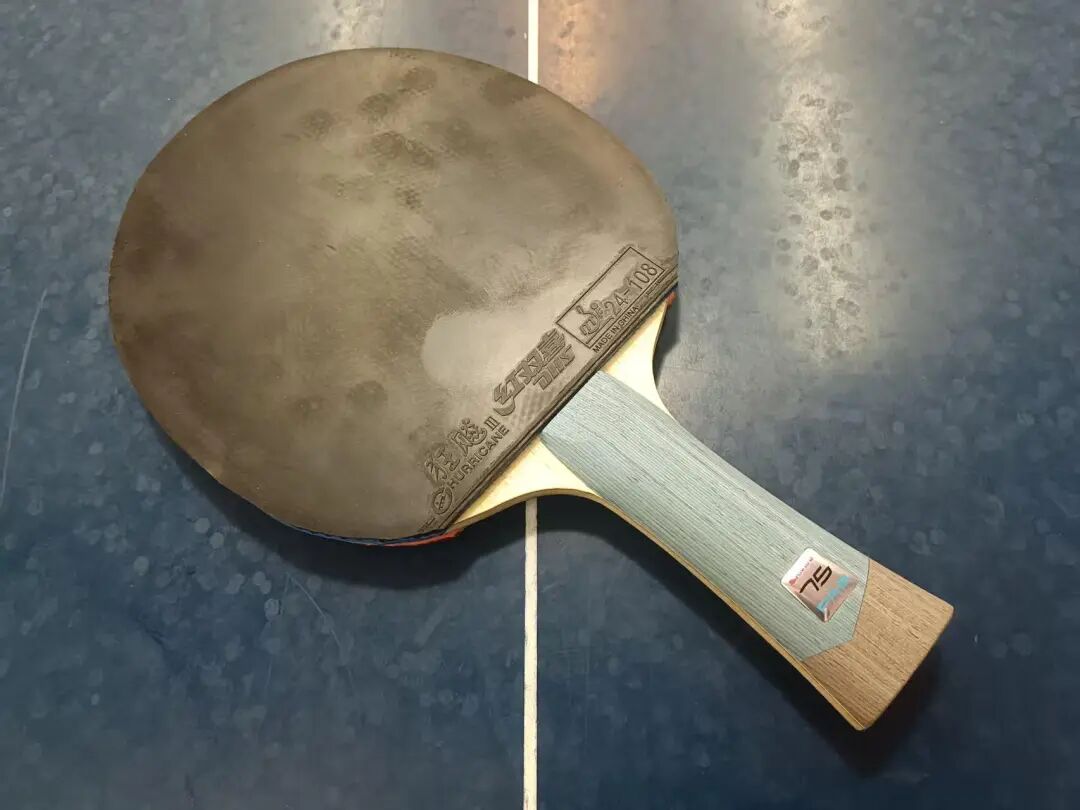
In competition, when facing different opponents, are there any general principles to guide my approach?
When the opponent is roughly your own level, keep these principles in mind:
- Against someone older than you: play speed.
- Against someone faster than you: play spin.
- Against someone who attacks aggressively and violently: play angles.
- Against someone with good consistency and stability: turn up the aggression.
- Against someone who’s a bit stronger overall: use the serve to set up surprises. Go for one-shot winners and try to minimize multi-ball rallies. That forces a stronger opponent to tighten up. When their muscles get tight, their system breaks down — and your chance to win goes up.
In the first game, do a lot of observing. Try different tactics. Real matches start in the second game. Don’t let the first game’s score affect you. What matters is observing the opponent — don’t just bury yourself in your own tactics and performance. If your whole match approach is self-centered, you’ll lose badly.
The real match begins in game two. Some players never realize this even after the match ends. They were still caught up in their own game plan. They never noticed the opponent had already identified their weakness — that’s one of the biggest mistakes in competition.
Through observation, find the opponent’s weakness, then build your tactics around it. That’s enough to keep winning. For example: first serve a fast-dipping backhand long ball to their middle-backhand area. They loft it back softly. You counter-loop. After two or three balls like that, they’ll start flipping their own third-ball toward you from the receive — so now start serving no-spin short to their forehand. If they also struggle with that, you’ve exposed their full set of weaknesses.
Note: in table tennis, more than half of all tactical weaknesses follow the diagonal principle. Understanding that makes the game much easier to play.
How do you loop a half-off-the-end ball? How do you generate power on it?
My answer here is for amateur players only — it’s not applicable for semi-pro or professional players. I’m only talking about how to ensure some power on that shot, not comparing it to a fully off-the-end ball.
In a normal loop, the right foot is back and the left foot is forward, with the whole body coordinating the power generation.
But for a half-off-the-end ball, amateur players can put the right foot forward instead, with the right leg pressed close to the table edge, then rotate the waist back (at that point the hand naturally stays above the table). Because the right leg is forward, you can’t use leg power. It’s all waist and hip rotation plus arm speed.
If the opponent is a professional player, they’ll easily block or counter this shot, because with the right foot forward your center of gravity is all the way forward after the stroke. That’s why you’ll see professional players dealing with a low half-ball — they don’t force a powerful attack. They mostly loft a slow heavy loop to the near table, because you don’t have much power in that position anyway. Especially in the plastic ball era, trying to blast a half-off-the-end flat ball usually won’t win the rally outright.
The second method: normal stance, right foot back. After the waist and leg drive and push, the fingers guide the paddle to meet the ball. At that point, your eyes must track your own paddle and the ball — not just rely on feel the way you do during a normal loop. This approach has less power and less precise placement, but you can recover your stance and link to the next shot.