Playing Against Weaker Opponents: How to Train Smart
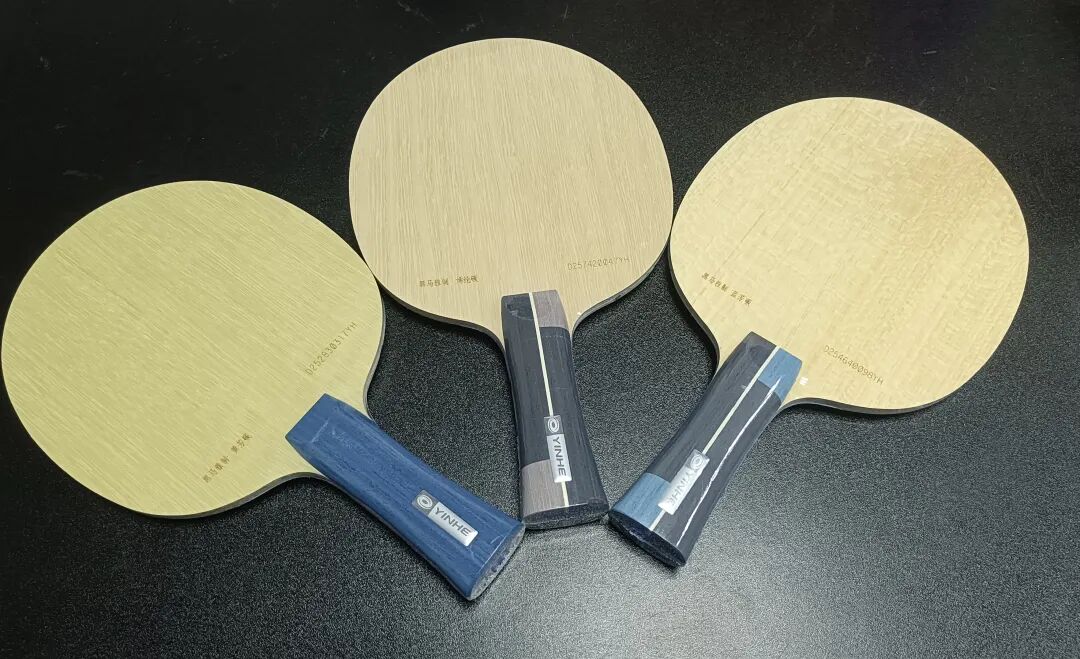
This is a technically focused column in a Q-and-A format. The mystery expert answering questions is a former national team player (a veteran coach) who prefers to remain anonymous. They just want a quiet life and a good night’s sleep, with no interest in fame.
I think sharing these technical insights is genuinely valuable, and this column is a great complement to the regular content here.
With that, the “Reaching the Peak” column was born.
I go all-out in tournaments — lots of forehand sidespin attacks — but in practice, especially against weaker opponents, I slow down and focus on spin variation and control. Will this disconnect hurt me? Or is it actually beneficial?
There are pros and cons. The pro is that in competition you have a positive mindset, an attacking intent, and a desire to score. The downside is that if you’re not practicing that way, going into match mode and attacking everything means you’re basically going for one-shot winners with no continuity.
The better approach is to stay sharp in practice too. You can mess around occasionally, but if you keep slacking long-term, you’ll struggle to actually get sharp when it counts — because you’ve trained your muscles to be loose. The mindset I’m describing is closer to “scattered” than truly relaxed. Long-term laziness makes it very hard to snap into peak condition during a match, because your muscles tighten up.
You can give points to weaker opponents. Or, you can come out serious from the start but not rush the timing. For example, if you normally loop at the early descending phase, try looping at the late descent or late rise to develop your adjustment ability — because against a real strong opponent you can’t always get the ideal timing. Practice that adaptability now.
Against weaker players, you can also work on deception loops, fake loops, dummy arcs, short pushes, rhythm changes, and down-the-line play. But all of this must start from a genuinely focused attitude — not a lazy, unfocused one.
How do you play against a pips-out player? What are the characteristics of pips-out rubber?
Pips-out is fast, sharp, and heavy. If your own level is high, you should move in close against pips-out. There are two good contact windows. One is before the ball drops — if you’re in close enough, just treat the ball as having no spin. The other is after the ball starts to descend — at that point, treat the incoming ball as heavy backspin.
If you can’t catch it early and the ball has sunk, just wait until it descends further and loft a slow heavy loop back up.
The hardest thing is letting pips-out smash freely. So when you feed to a pips player, the ball generally needs to have strong spin. Pips-out handles spin poorly and tends to misfire, causing errors.
Serving a long ball to my forehand — whether it’s a left-side or right-side sidespin — with enough room to attack, do I need to consciously adjust my paddle angle?
When your swing speed and power are large enough to overwhelm the incoming ball’s speed and spin, you don’t need to think about any of that. It’s like a beginner pushing a ball over — you wouldn’t consciously think about adjusting your paddle angle when looping it, would you?
But if the opponent is a chopper, and the chop comes heavy, then yes, you need to think about standing the paddle up a bit more. Because your speed and power might not fully override the spin.
(My dad told me when I was young: “Use force to break spin.”)
If you feel confident, use speed and acceleration to neutralize the opponent’s spin and just drive through. You said you have room to generate power — technically, face the ball squarely, lock in your hip, push forward and up. Let your arm relax. You’ll feel the ball pause at your hip, then accelerate fast with a snap of the forearm. That takes some feel to develop.
Whether it’s a long topspin or a pushed ball, body blocks, arm relaxed, reverse brushing — it all works. If you can’t generate enough, absorb the ball first and then drive out; if you can, just blast it.