Understanding Weight and Balance in Table Tennis Blades and Rubbers
Weight and Balance

- When it comes to the weight of a table tennis blade, there is no universal standard for what is best. It largely depends on personal comfort. Even among top national players, weight preferences vary significantly. For instance, Wang Manyu uses an 84-gram Viscaria, Yan An prefers an 88-gram blade, and Zhou Qihao and other players have been known to use 94-95 gram gold-label Viscarias. Ultimately, it all comes down to what feels right for the individual.
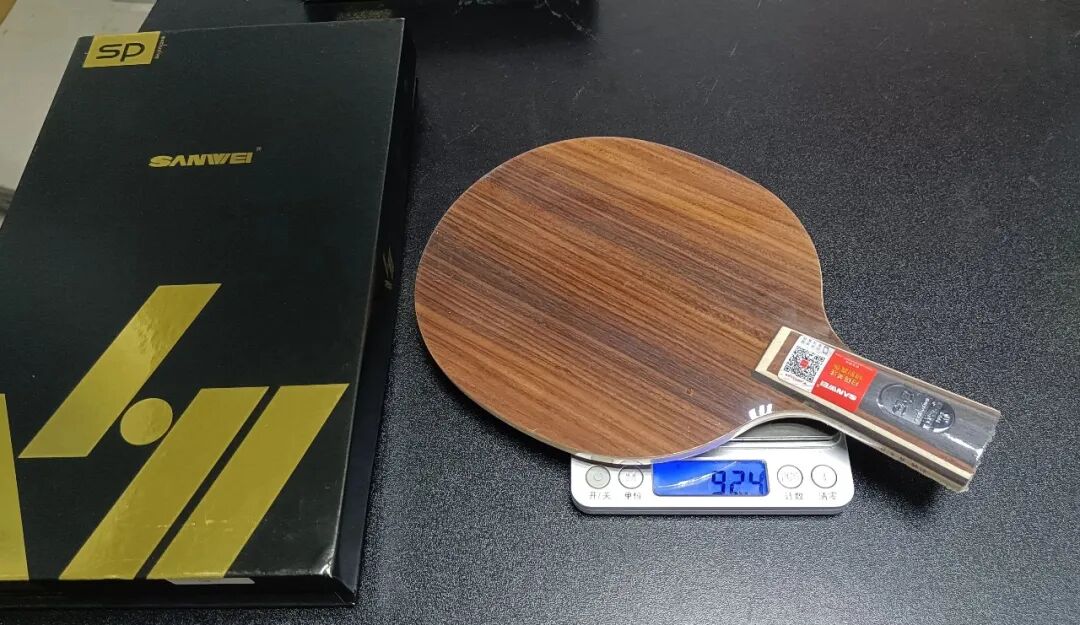
The Sanwei Huang Xinmin special edition blade, known for its powerful looping capabilities, is an example of a heavier blade that some players specifically seek out for its weight.
- What about the differences between lighter and heavier blades? I have played with two different weights of the Yoshimura Makoto limited edition blade—one at 85 grams and the other at 90 grams. Since Butterfly only produced that specific batch, the materials were consistent, allowing for a more accurate comparison of the weight differences.
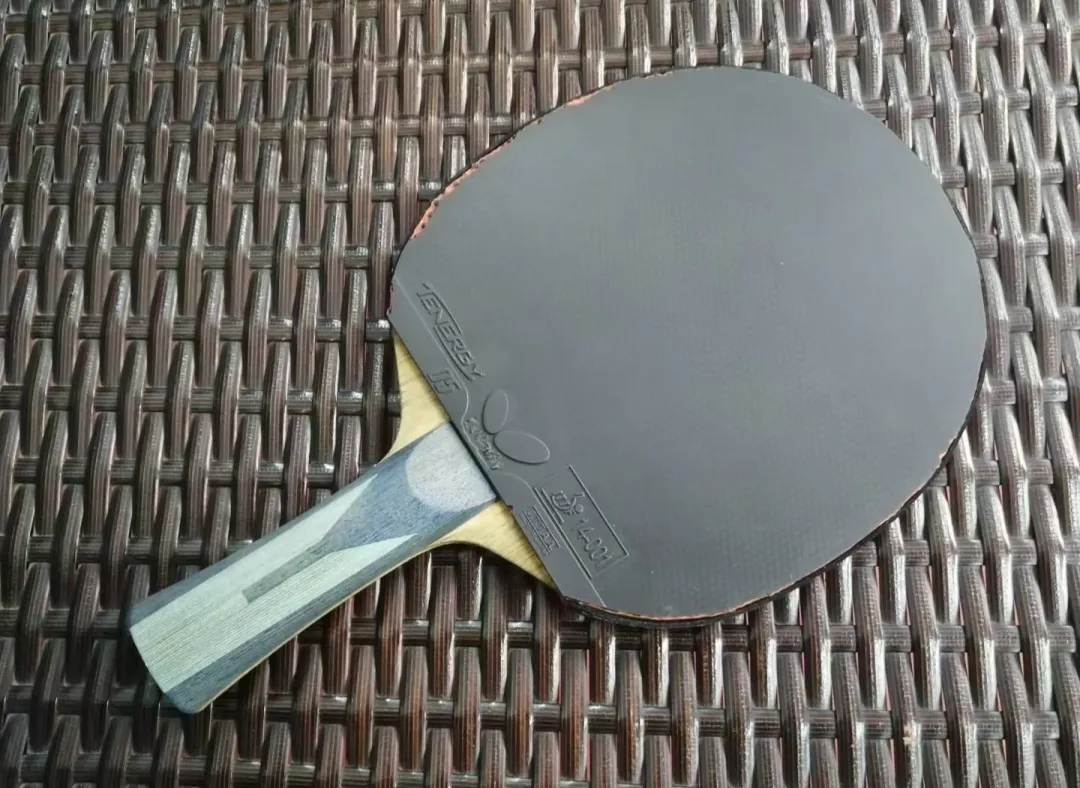
The 90-gram blade felt more solid and powerful, with a noticeably harder feel. The 85-gram version was more flexible and easier to bend, but it felt slightly less stable. A skilled player who tried both noted that the 85-gram blade occasionally felt ‘empty,’ while the 90-gram version was considered the superior choice.
In general, a heavier blade with similar thickness will likely have a higher wood density, resulting in a firmer feel. Lighter blades tend to offer more ‘feedback’ and are often better for players who rely on quick reflexes and fast attacks. Players who favor aggressive looping and smashing often prefer heavier blades for the added power.
However, as long as the blade isn’t excessively heavy, most players can adapt to different weights, even if the feel is slightly harder or softer.
- In recent years, it seems that top players are increasingly opting for heavier blades. This trend is understandable in the plastic ball era, where extra power can be a significant advantage. When Galaxy produces custom blades for national teams, they tend to be on the heavier side. For instance, I have never encountered a national team or North Korean team player using a Galaxy custom blade under 90 grams. The general consensus among brands seems to be that lighter blades may compromise on shot quality.
Of course, for individual players, the choice ultimately depends on personal preference. If a blade feels ‘empty,’ you can adjust the rubber’s density by changing the rubber or increasing its hardness. If a lighter blade affects your shot quality, consider this: a lighter blade allows for faster swing speeds, which is also a factor in shot quality.
- Besides the weight measured on a scale, balance is another crucial factor. It affects the perceived weight of the blade and influences backhand techniques and the transition between forehand and backhand.
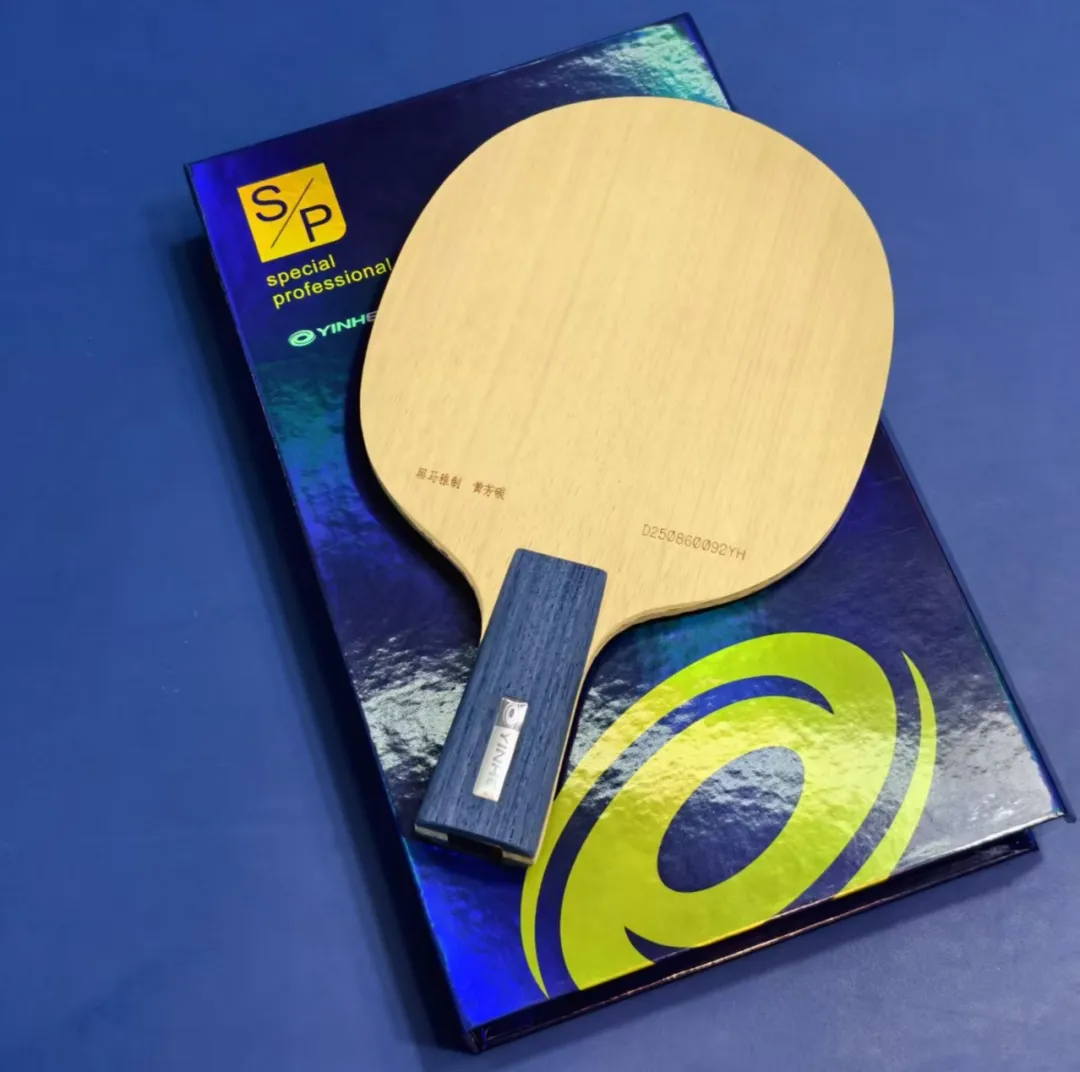
A blade like the W968 may not be particularly heavy, but due to its thinner handle and the resulting center of gravity being closer to the head, it can feel heavier. This is why, in designing the Heima Yazhi blade, I emphasized the handle’s similarity to the Viscaria. The Viscaria’s handle allows for smoother transitions between forehand and backhand and provides better stability for backhand flicks and flat-hitting techniques.
- While players often focus on the weight differences between blades, they frequently overlook the weight differences between rubbers. The weight of the same type of rubber can vary by as much as 7-8 grams. I once weighed both the regular Hurricane 3 and the Hurricane 8-80, and since then, I have become more aware of rubber weights.
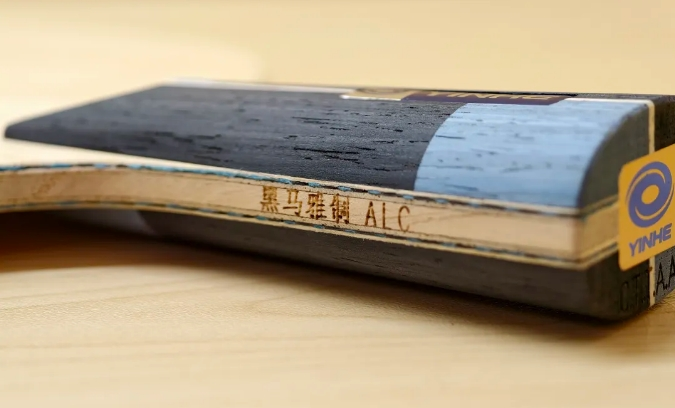
It’s worth noting that Butterfly’s flagship rubbers do not exhibit as much weight variation. Rubber manufacturing is a process with relatively low yield rates. If you think the variation is high, it’s likely because some brands are less stringent with their quality control.
- The weight of the rubber also significantly affects the overall balance of the racket. For players using a penhold grip, the weight difference between the forehand and backhand rubbers can be more pronounced. However, for shakehand players, if the weight difference between the forehand and backhand rubbers is too great, the center of gravity can shift towards the head, making the racket feel heavier during forehand strokes.