New Impressions: Five Budget Forehand Sticky Rubbers Revisited
1. Sanwei Target National 3
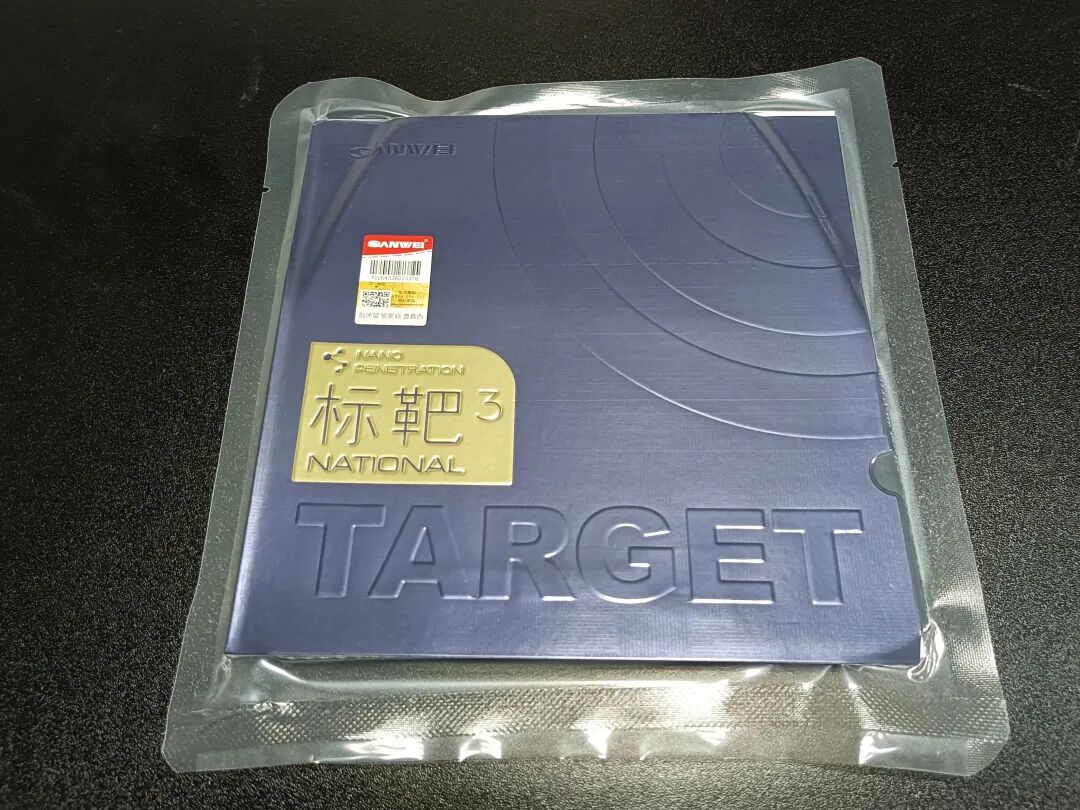
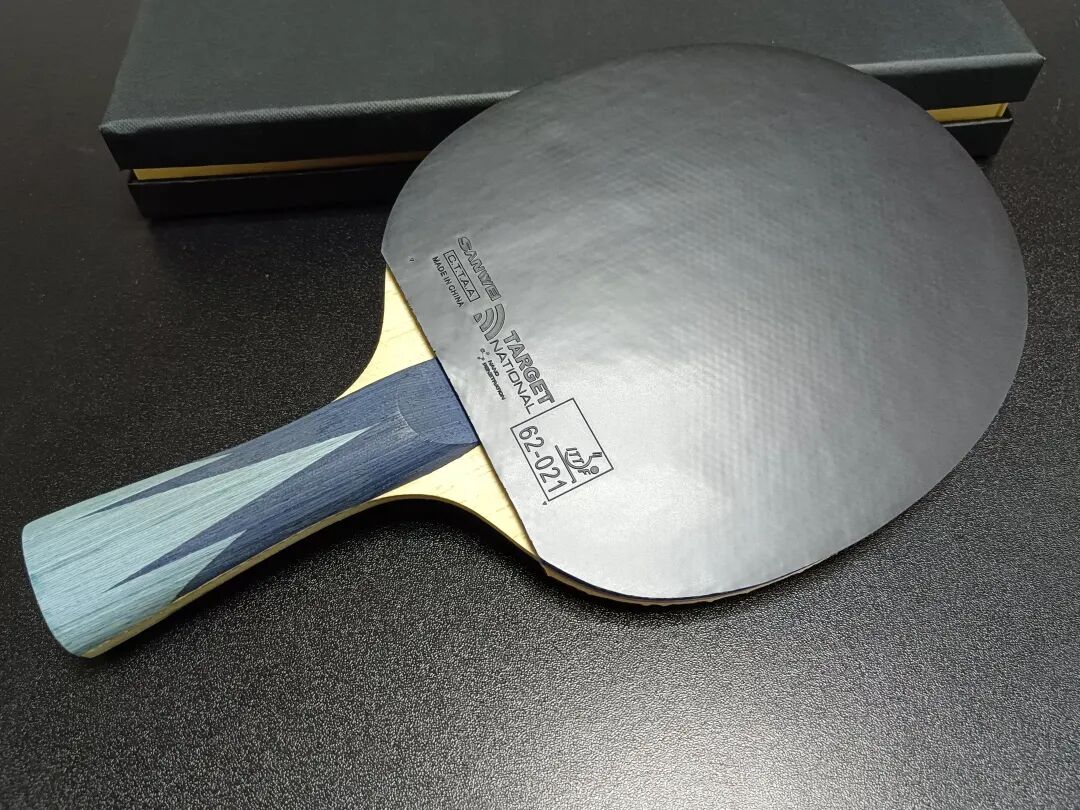
This is probably Sanwei’s best-selling product right now. At the price it currently sells for, I cannot see any compelling reason to choose ordinary Hurricane over it. Generally speaking, standard Hurricane has decent spin and boosted power, but for anyone with a modest budget, the Target National 3 requires no boosting and is already very playable — a true inner-energy rubber.
When I recommend non-boosted sticky forehand rubbers, it is always near the top of my list. It is a hard answer to get wrong — sufficient tack, relatively easy to penetrate, and a solid sense of speed within the Chinese sticky rubber category. On top of that, it is not picky about blades. In terms of price-to-performance for a forehand sticky rubber, it ranks among the top choices.
2. Hyper-Power AMG
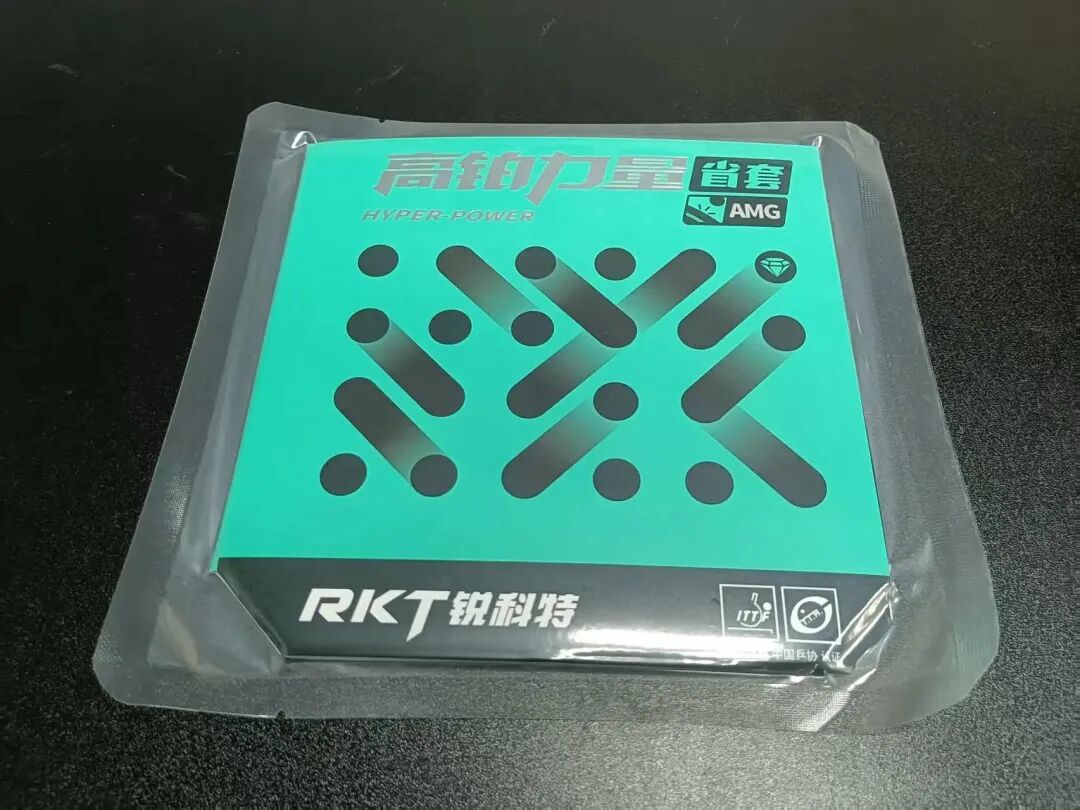
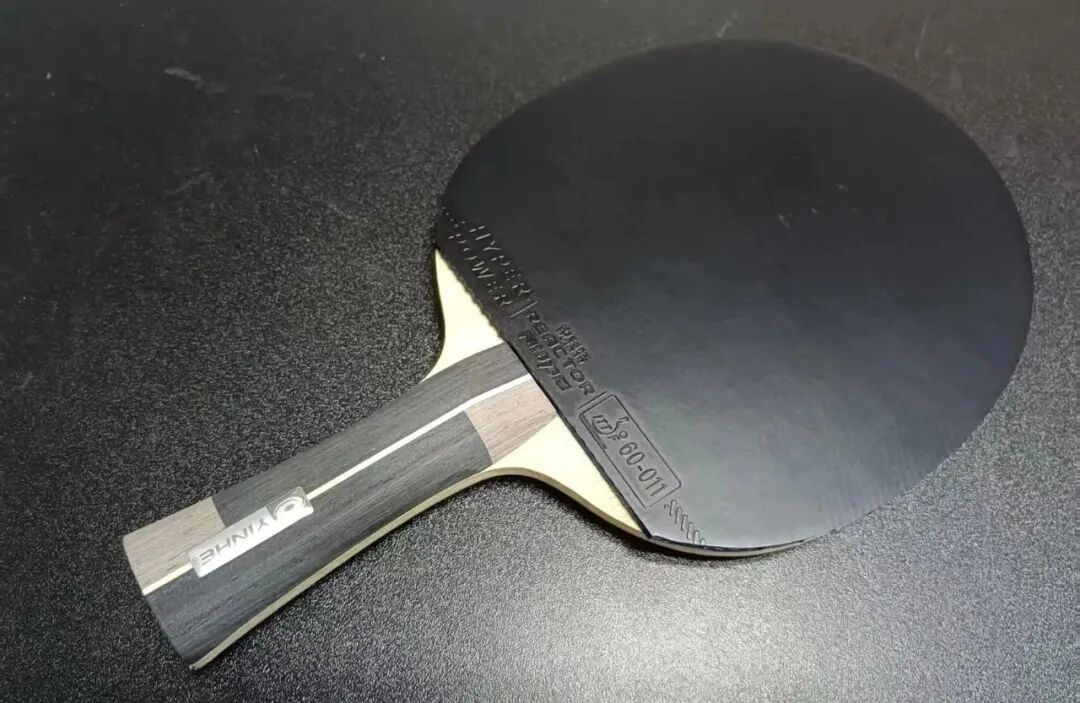
This is not the same as the original Hyper-Power. That version had a lively, responsive feel that made it beginner-friendly, but for intermediate players it felt a bit weak on the forehand. My expectations for this upgraded AMG version were not high initially. After using it, though, the feel reminded me of a provincial team Hurricane that has been lightly boosted and lost a little tack — genuinely impressive. It fires with elastic speed easily.
This is one of the sticky rubbers that pairs very well with my KLC-fiber custom blade. My NEO Blue National Hurricane with only one coat of oil does not perform as well on that blade. The Hyper-Power AMG more than lives up to its name. One note: try not to peel it off too often, because it is pre-tensioned — once removed, it curls up badly and becomes a pain to reapply.
3. Xiom Vega China VM
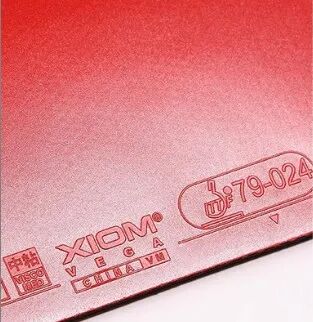
You can probably find this at a very low price on discount platforms. Along with the Red Vega, the Vega China series is among the world’s best-selling European-style rubbers with a slightly tacky topsheet. The performance is not high-end, but it meets the needs of many recreational players. The Vega China VM is very well suited for penhold players using the traditional push-attack or push-loop style.
For primarily looping players, it performs better on outer carbon blades. If you are a player who emphasizes absolute punch and depth and prefers an inner carbon blade, the Vega China VM’s depth is on the milder side. Outer carbon gives this sponge more support, and the overall combination works better. Of course, a slightly harder inner carbon blade is also acceptable.
4. Plasma 500S
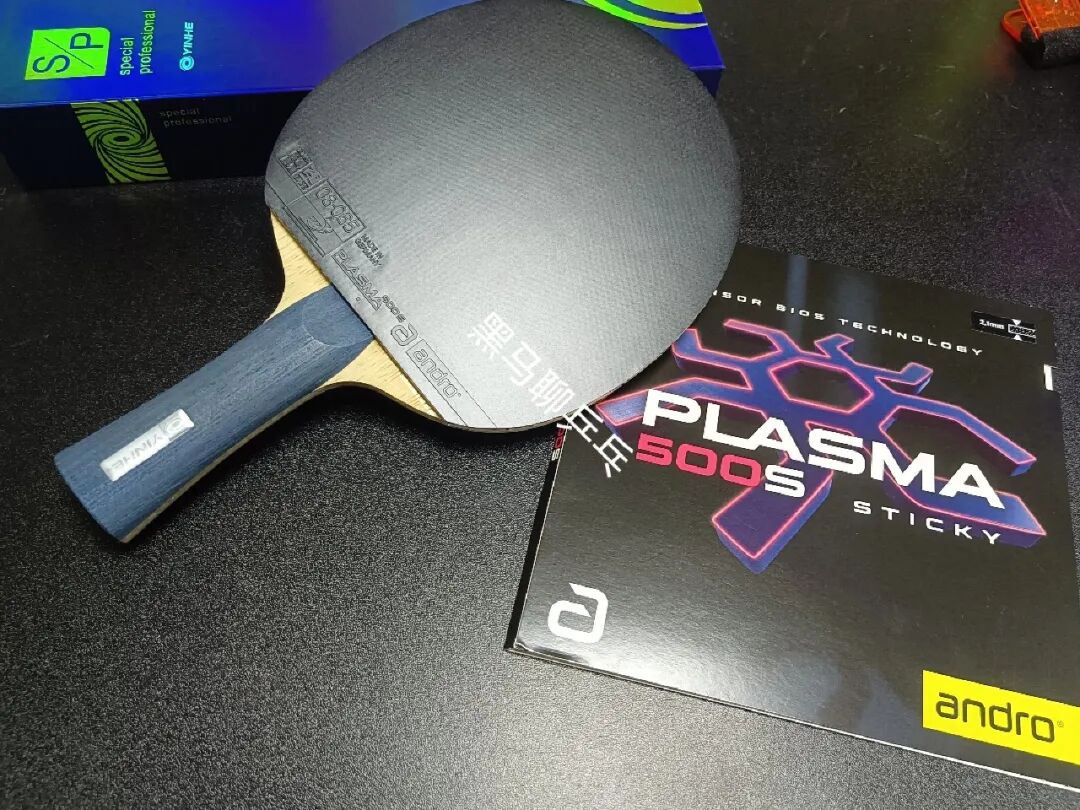
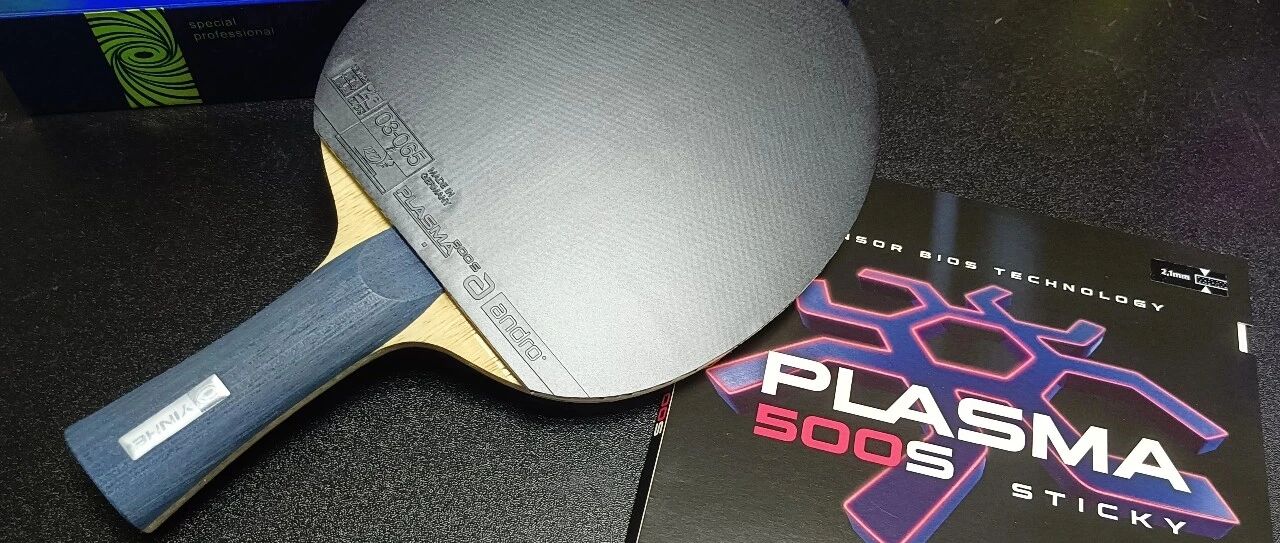
This plays like a softer, less aggressive K2 Pro — one that is easier to absorb and release. The barrier to entry for recreational players is therefore low. With many micro-tacky European rubbers, if the sponge is too hard, the “micro-tacky” topsheet does not provide enough dwell, and the pairing with an inner carbon blade ends up feeling demanding on power. If the sponge is too soft, the depth feels lacking.
The Plasma 500S finds a better balance — it is less blade-picky. Its high-density but inner-energy sponge offers good snapiness: it takes in the ball and then releases it when you load up, so the timing meshes well with an inner carbon blade. An outer carbon blade is even less of an issue. Overall, the ceiling on power is not especially high, but it is dependable, and both heavy spin loops and drive loops are achievable.
5. Hurricane 8-80
This was Tabletennisking’s 2025 Best Rubber of the Year. High tack, with better inner energy and resilience than Hurricane 3. It is usable without boosting, though the initial speed is only middling compared to a tacky outer rubber — it is a notch slower. But when paired with a blade that has good absorption-and-release, the results can be quite respectable — blades like Boll ALC, Hurricane Dragon 5, or Super Viscaria.
With a softer blade it tends to feel sluggish. And if the blade is too hard, it may actually perform worse than Blue Provincial Hurricane. Best matched to blades with flex-tension or blades you find too lively.