The Truth About Boosting: When to Do It and When to Skip It
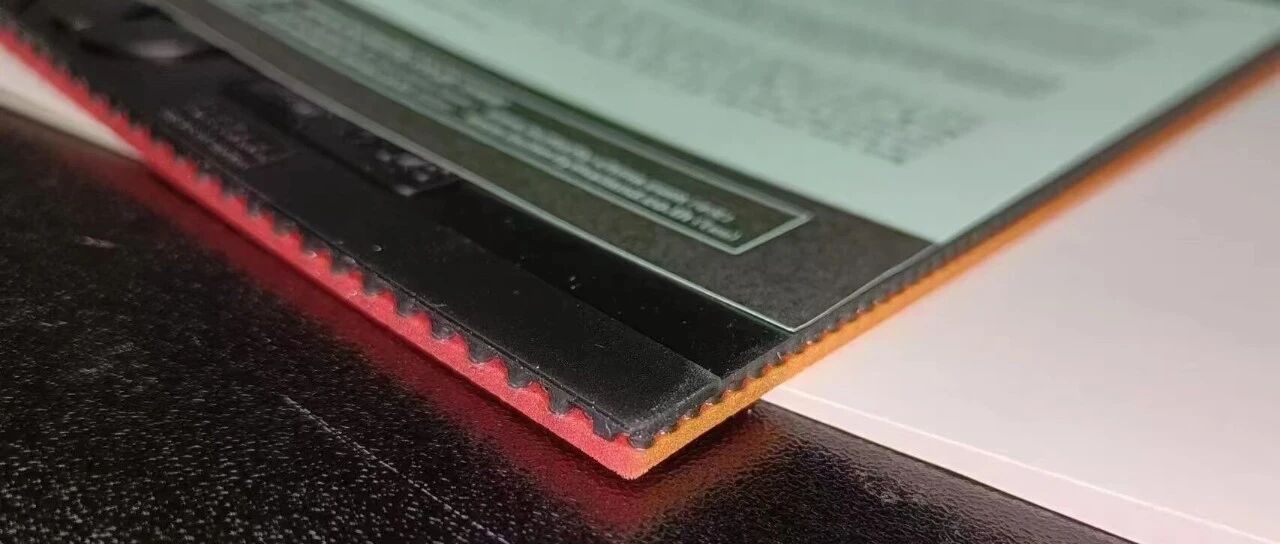
1 — Hurricane 3: Boost or Not?
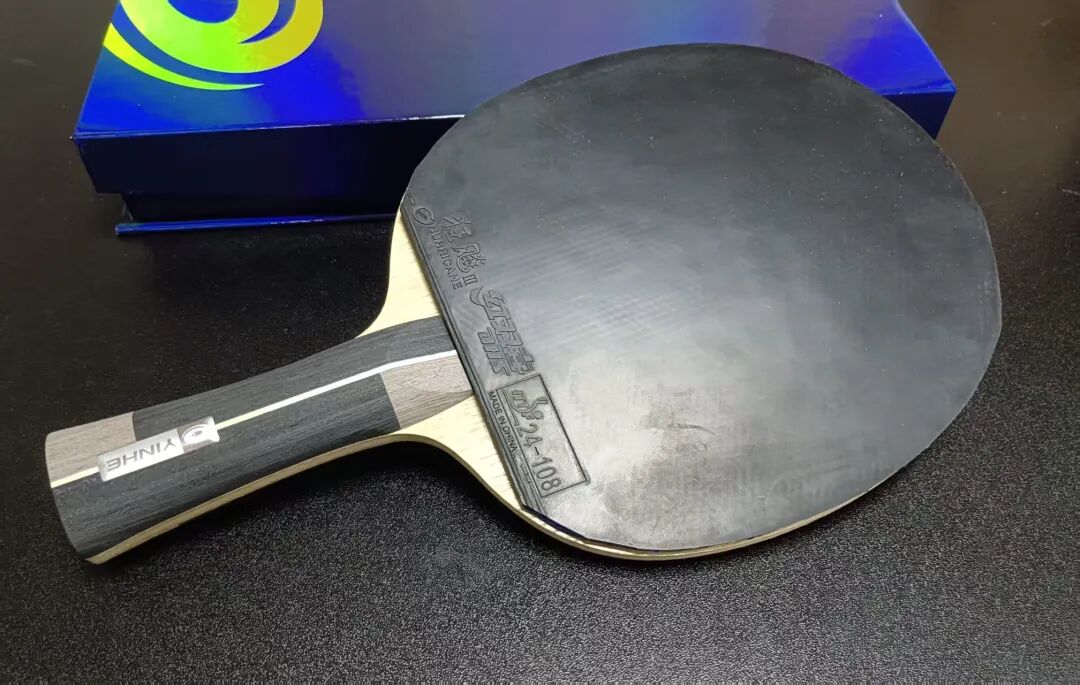
I remember back when I played in the Guangdong University Games — forehand Hurricane 3, backhand Skyline 2 — and I really wasn’t boosting. I’d just swap in fresh rubber two weeks before a tournament and brush on two coats of organic glue, then mount it. My teammates included a former national team player (a retired pro), and he was boosting heavily before every match. But for us recreational A-division players back then, not boosting was fine.
The coach at our club — retired from a provincial team — told the kids they could use low-hardness Hurricane, but no boosting. Lower hardness was enough. Boosted rubber would be too springy for beginners, he said.
My own NEO Blue National Hurricane at 41 degrees got one coat of oil about a year ago. Since then, I just brush two coats of non-organic glue each time I mount it.
For Hurricane 3 and NEO Hurricane 3, boosting (with oil or glue) mainly does two things: it makes the ball easier to “go through” the rubber, and it raises the speed off the sponge. The result is an easier, less effortful swing, with faster ball speed. Boosting definitely makes it easier to play — but if your blade already has strong spring, and the Hurricane sponge hardness isn’t too high, you don’t strictly need to boost. Still, the current trend leans heavily toward boosting, and it does genuinely improve ball quality.
For rubbers that are hard to punch through, boosting is one fix. An amateur who can’t generate enough power might find a T05 Hard “garbage” to play with — boost it, and it transforms.
2 — Why Do Foreign Players’ Rubbers Also Have Such Strong Grain Feel?
First, many Japanese and Korean players use Hurricane on the forehand too, and they boost with oil — some are as obsessive about aged oil as Chinese enthusiasts.
Second, some Butterfly-sponsored players’ forehand T05 Hard rubbers have a very pronounced grain feel, which could be from personal boosting or from factory pre-treatment — the energy effect is more noticeable that way.
If you closely compare different production batches of T05, even brand-new ones straight out of the package, you’ll notice different degrees of curvature. That’s because pre-loading at the factory varies by quality control batch, and freshness matters — some are newer, some have been sitting. I once bought a special player-edition white-shell D05 and the sponge was already discolored right out of the package.
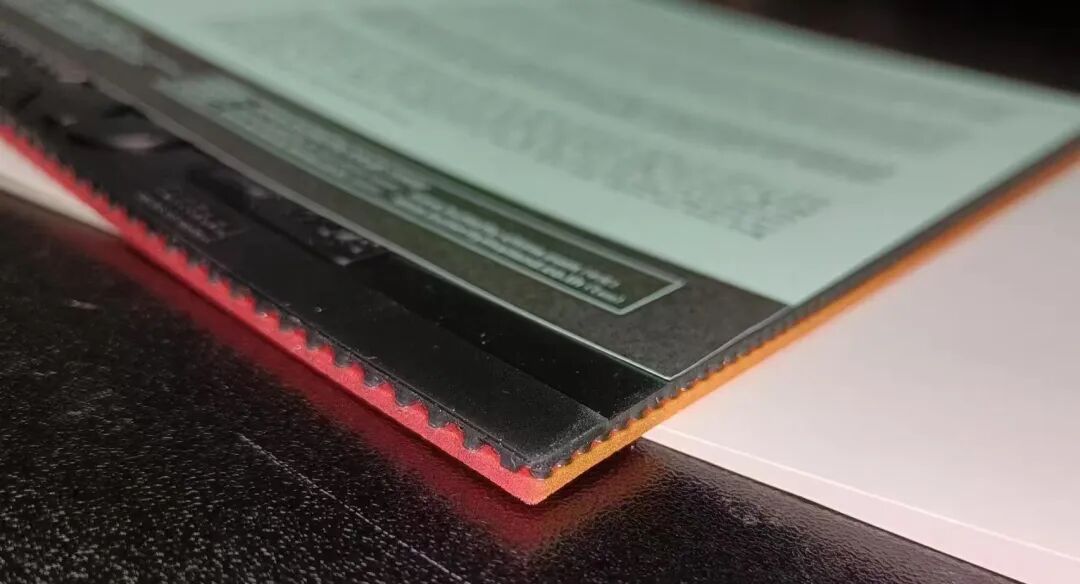
In summary: boosting improves sponge permeability, speed, and ball-wrapping quality, but shortens the rubber’s lifespan. And since all those imported rubbers have a finite energy lifespan, buy them as fresh as possible.
Rubbers with great speed and energy feel tend to owe that to factory pre-loading — which simultaneously cuts their lifespan. Take Butterfly’s Tenergy series: what deteriorates isn’t so much the sponge’s energy bounce (that holds up reasonably well) as the topsheet, which scales very easily. When you boost yourself, you’ll notice: more oil means the topsheet scales faster.
The “no-boost-needed” label on ESN German rubbers really just means the factory boosted them for you. So a long lifespan is simply not in the cards. If a product claims improved longevity while keeping the same name, either the sponge or the topsheet changed — or the factory pre-loading was dialed back.
The better an imported energy-type rubber plays, the shorter its life tends to be.
3 — Choose One of Two Paths
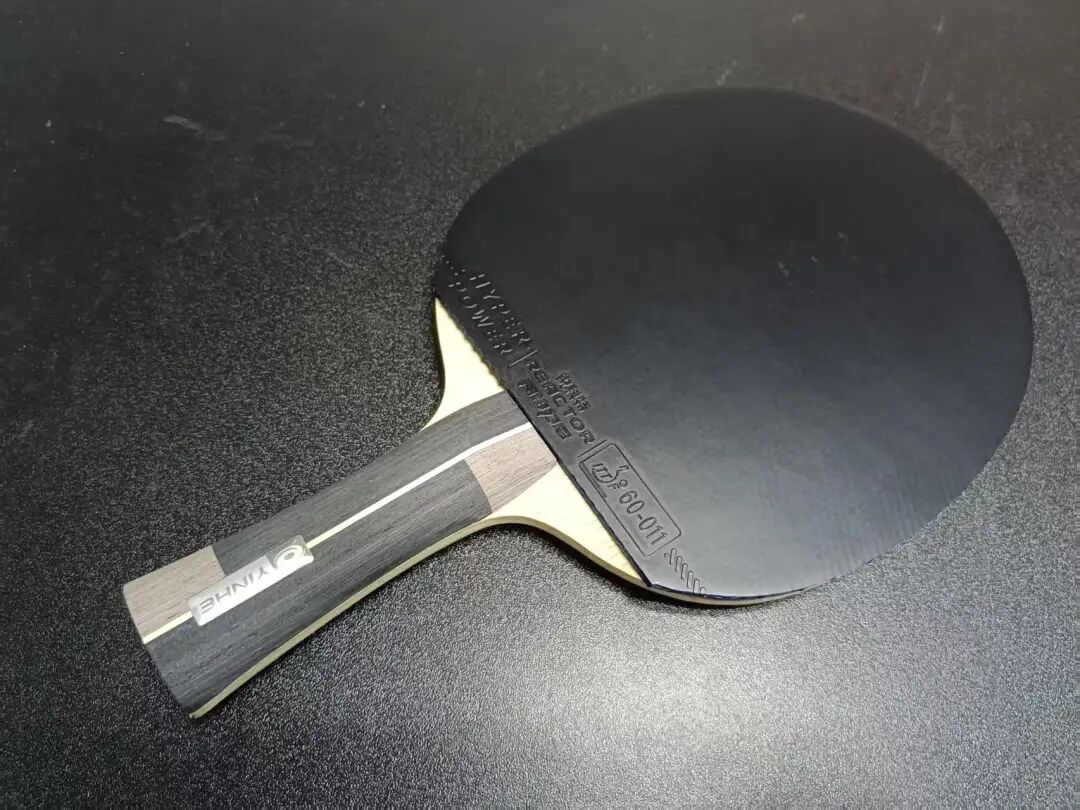
Either go with a Chinese rubber and boost it yourself, or go with a no-boost foreign rubber that’s semi-tacky.
High-tack and no-boost are hard to combine in a single rubber. If they do coexist, it’s rarely a perfect marriage. Right now, the national standard rubber 3, Big Dipper 5, Tibhar K2, and Hyper-Power AMG version are among the better attempts at high-tack plus no-boost — but none of them surpass a fully boosted Hurricane 3.
D09c and Grubber C55.0 are really more semi-tacky than high-tack. High-tack plus no-boost makes it hard to achieve fast speed, while semi-tacky makes speed much easier to unlock. But we don’t have to limit ourselves to high-tack — as long as the surface grip is sufficient to generate spin, that’s what matters. Plenty of players have successfully transitioned from boosted Hurricane to D09c, Grubber C55.0, Huangchao ZGR, K2 Pro, or DNA Hybrid.