Equipment Questions Only You Can Answer
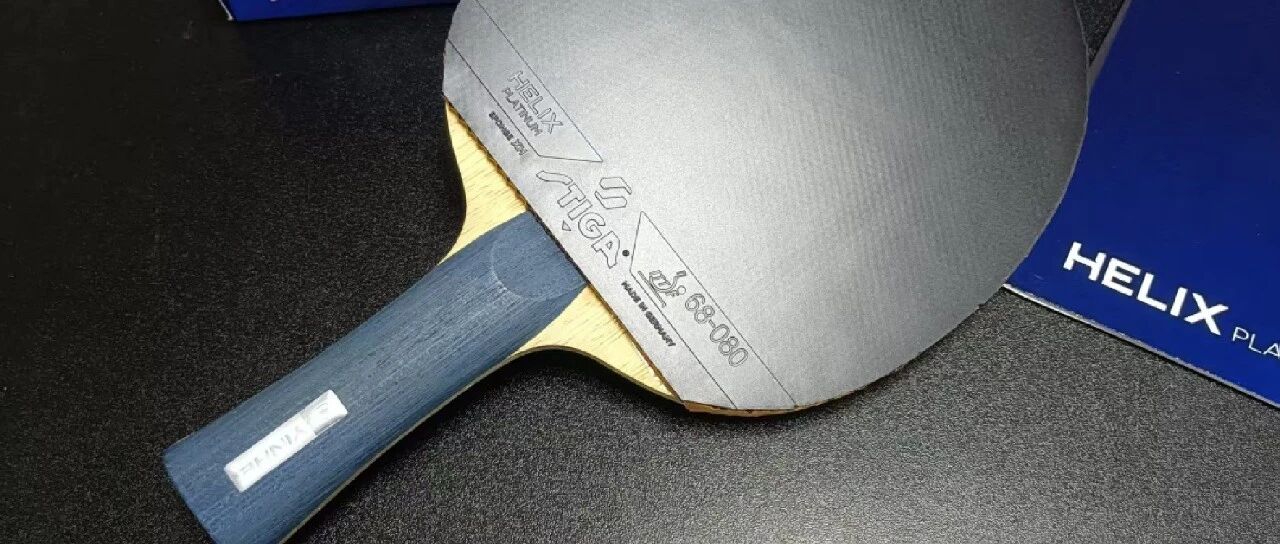
1 — To Boost or Not to Boost
I remember playing in the Guangdong University Games back in the day — we didn’t even boost. There was a former national team player on the squad playing in the B-division who boosted heavily, but the few of us in the A-division didn’t have a strong concept of it. Looking back, what we had was good enough. Probably youth — more raw power, and we were playing pure wood five-ply blades with enough flex that unboosted Hurricane didn’t feel like an issue.
These days, boosting oil is the norm. Whether or not you should boost still ultimately comes down to you.
Generally speaking, boosting does a few things. First, it increases spring — similar to old-school boosting. After boosting, rubber elasticity increases and ball speed goes up. If your blade already has plenty of spring, you don’t need many coats — sometimes one is enough, just to soften the sponge.
Second effect of boosting: it softens the rubber. Simply put, once boosted, you can push through the sponge more easily. That raises another question: should you boost an outer (non-tacky, European-style) rubber?
You could argue “no — many come with built-in tension from the factory.” But take Tenergy 05 Hard, for example — some players boost that too. They might be chasing more spring and threat, or they might just want to soften it. Even if an outer rubber has built-in tension, if you personally can’t drive through it, there’s not much you can do — boosting to soften it is a valid option.
Some players ask me about rubbers like the Huangchao ZGR or Donic J1 — should they boost? That depends on whether you can drive through them.
So: is the rubber’s elasticity sufficient, and can you get through it? Those two questions determine whether and how much you boost. You see national team players putting D09c on their backhand and generating incredible power — but quite a few of them just do one coat, purely to soften the sponge.
Of course the performance improves, but it costs money. We don’t have to blindly follow — something like DNA Hybrid M or V15 Sticky might suit you better.
One more use for boosting: when a rubber has shrunk and you need it to expand back to cover the full blade face.
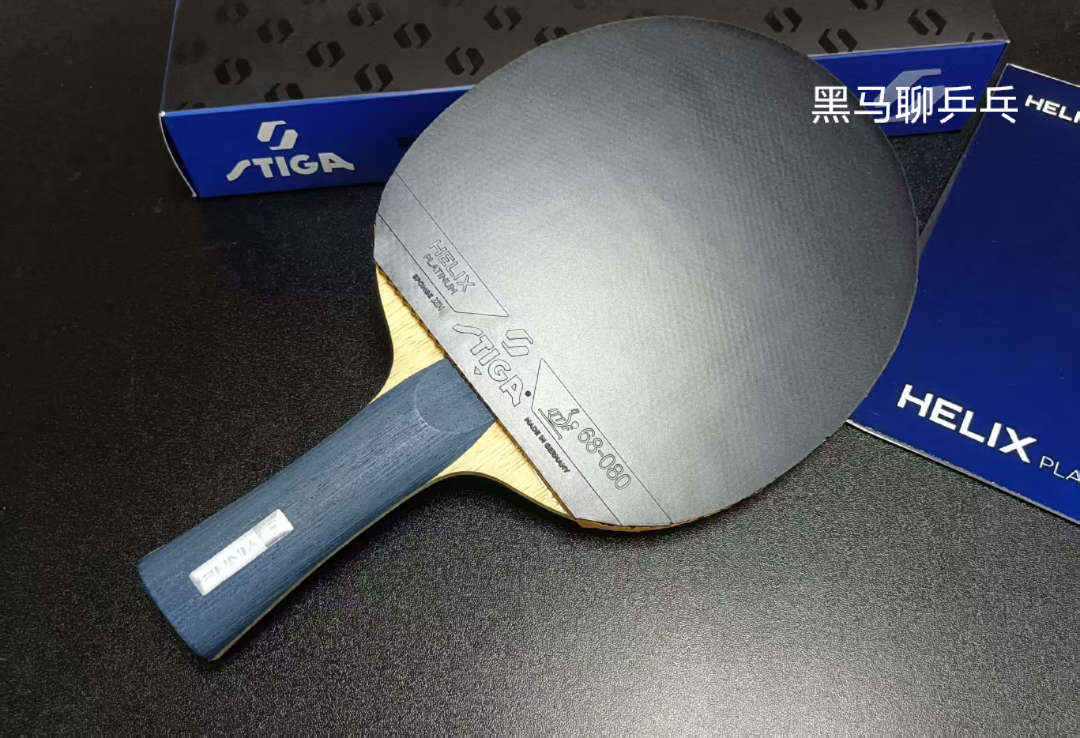
2 — What Rubber Pairs Best with This Blade?
Every single day I get dozens, sometimes hundreds, of questions like this. I’ve gotten so nervous about it that I’m almost afraid to open my message inbox.
This question is genuinely hard. To answer it properly, you’d need a complete picture of someone’s playing style — ideally having watched them play. Beyond that, there’s another critical variable: your habits.
Most blades work fine with most rubbers. Given your technical ability, playing style, and habits, it’s hard to say what fits best. If you tell me your online rating, I still have no idea about your stroke mechanics or how much force you generate. In the end, what rubber to use comes down to your own feel.
If you forced Ovtcharov to play a 968 with Hurricane 3 on both sides, he’d struggle too. Back in his time, he used a 968 (the so-called “ladyboy blade”) with Tenergy 05 Hard and won the World Cup singles title.
So my general advice: take your old rubber — the one you’re already used to — and stick it on the new blade. Hit with it for a week or two, notice what feels off, then make targeted adjustments. For example, if you find the setup too hard to control, or the spin isn’t where you need it, go from there.
Why people have such wildly different takes on the same blade often comes down to different rubber pairings and different skill levels. I’ve seen players online say the Lin Gaoyuan ALC doesn’t grip the ball and makes it hard to loop up backspin. My guess: either they’re used to a softer all-wood or inner-carbon blade, or they can’t drive through whatever rubber they’re using. Maybe if they switched to a softer, more penetrable rubber, their whole opinion of the blade would flip immediately.