Backhand Serve: Pros, Cons, and Rubber Selection Tips
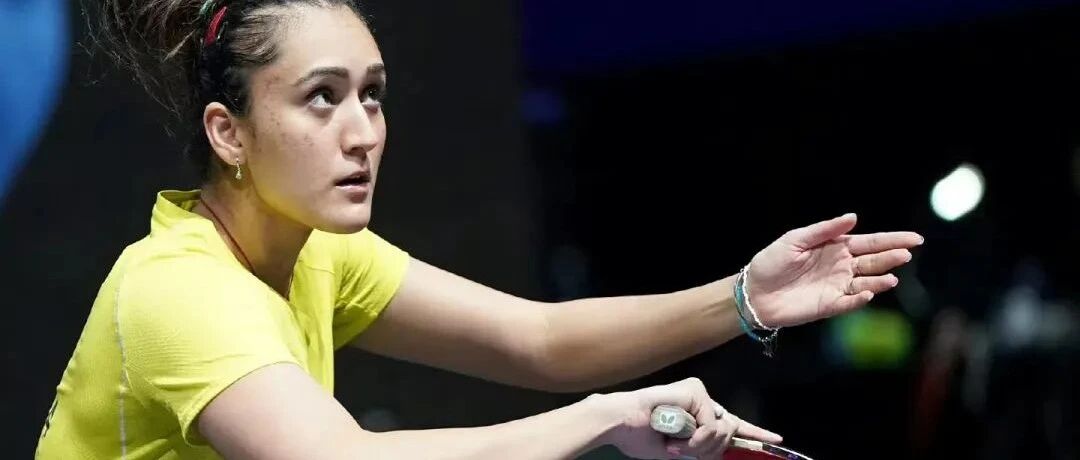
This time, let’s talk purely about the backhand serve — the type that’s harder to obstruct — and how to adjust your backhand rubber choice once you commit to using it.
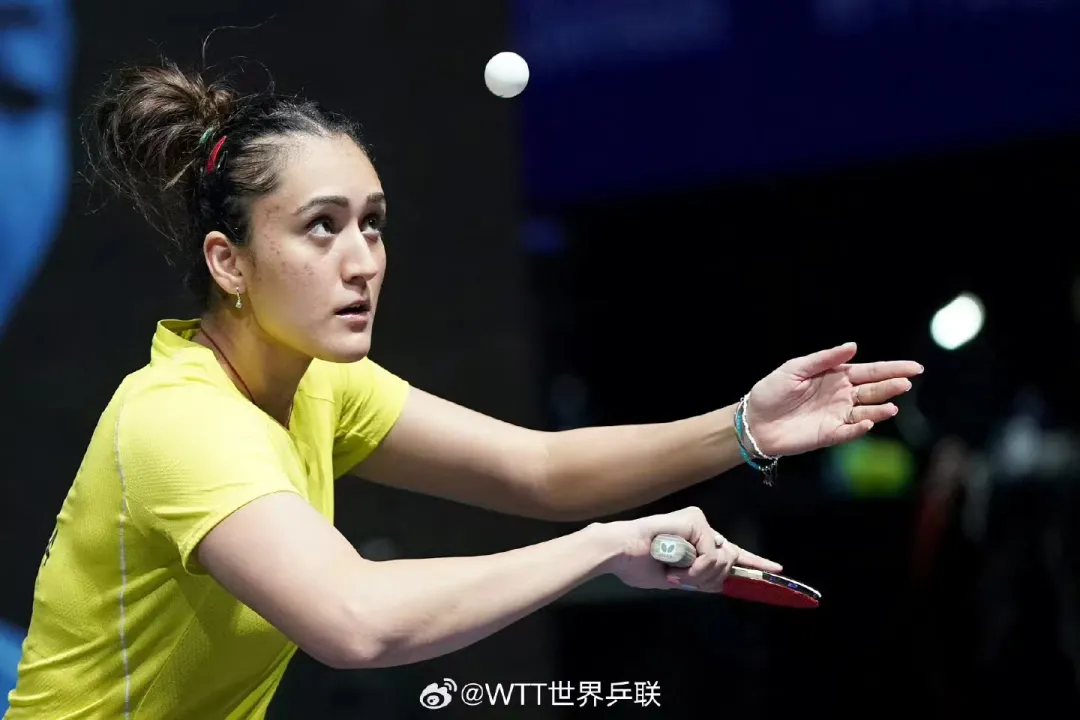
Me: Can you explain the similarities and differences between backhand and forehand serves — strengths and weaknesses?
Former national team coach: Generally speaking, a forehand serve benefits players who are strong at forehand third-ball attacks. A backhand serve, hook serve, or reverse-spin serve benefits players who are strong at backhand third-ball attacks.
Using a right-handed player as the example: after you serve with your forehand, the natural ball return will fly toward your backhand. So when you serve to the opponent’s forehand, middle, or backhand, they will usually return away from your side spin direction — toward your forehand or middle — to avoid eating the spin. This way, even if they do eat a bit of spin, the ball won’t fly off your backhand.
If they want to return to your backhand, they must control two spins simultaneously: one sidespin and one topspin or backspin (your sidetopspin or sidebacskpin). That makes it much easier to misread your serve.
Most opponents focus their energy on controlling the ball’s height and length to avoid getting attacked. They invest less effort in handling the sidespin. So returning to your forehand or middle is the safer choice, which naturally sets up your forehand attack.
With a hook serve or reverse-spin serve — essentially a backhand serve — the principle is identical, just the mirror image of the forehand.
Okay, now I’ll talk about rubber selection for players who prefer the backhand serve.
First, it still depends on your personal habits and skill level. I remember many years ago at a provincial university tournament, I had Hurricane 3 on my forehand and Tianji 2 (Tianjin No. 2) on my backhand. My backhand was weak back then and mainly used for short pushes. Since I mostly served with the backhand, I was attracted by the Tianji 2 slogan: “Spin or no-spin, in a split second.”
Honestly, the spin disguise on that rubber really worked. People say Tianji 2 needs “hidden power” to play well. When you actually master that hidden power, the spin variation is genuinely split-second.
That was phase one. In phase two, I mainly used softer, lighter rubbers from Donic and Nittaku — like Donic Platinum X1 and Nittaku S1. I was smashing more at that point. Also, because I was serving mainly from the backhand, I needed a rubber with good grip so I could serve with spin. No question those two sheets had solid grip.
In phase three, I genuinely felt: whatever tacky rubber I used, I could serve with heavy spin. Even with rubbers like V greater-than 15 or V greater-than 20 with less tacky surfaces, I could still load the ball into the sponge and serve heavy. So I used V greater-than 15 for about a year. Backhand defense improved dramatically with it. Flip attacks also landed more consistently.
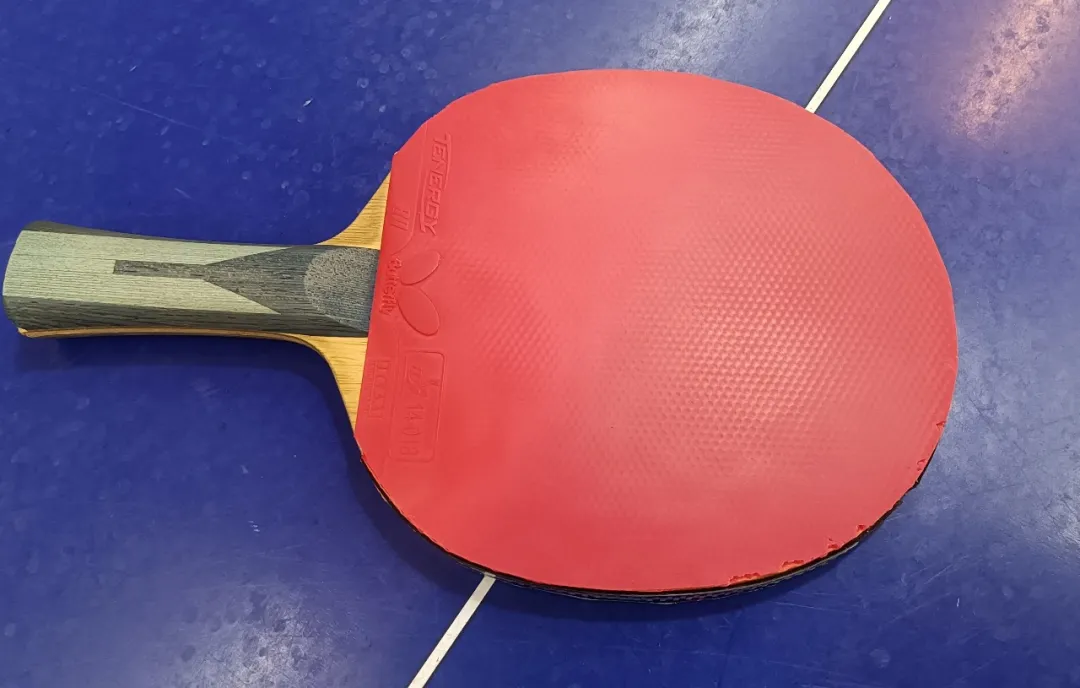
But there was a problem — short pushes and sudden heavy chop-pushes weren’t as sharp. So I eventually switched mainly to T05 FX and T80. Even at lower power, they generate good spin — whether for serving or for short-game pushes and chops. T05 FX is a bit better at creating spin; T80 is decent, with good contact, though not quite T05-level. But T80 has better defense in exchange. Not as powerful defensively as V greater-than 15, but it adds spin more easily. A reasonable middle ground — balancing backhand serve, short-game spin, and defensive stability.