Stars, Blades, and Rubbers: A Guide to Pips Play in Table Tennis
1
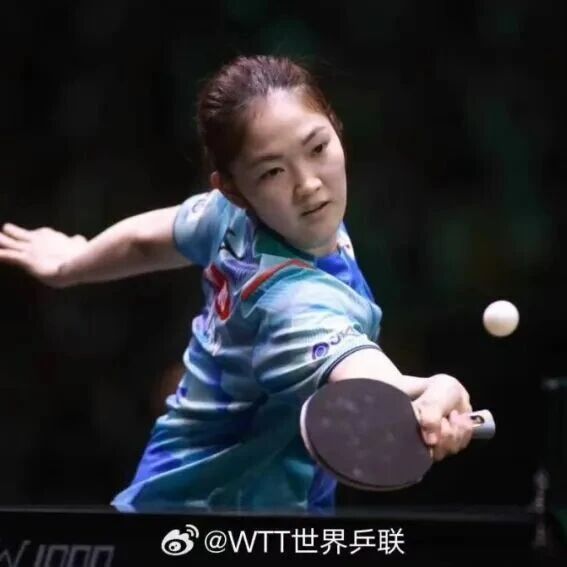
Something as soft and thin as the Stiga OC, or as stiff as the Taksim, or even the Super Zhang Jike — all of them can work for pips play. The bottom line is you just need to get used to it.
It also depends on your style of pips game: aggressive sweeping attacker or borrowing-force defender. For attackers, generally the blade shouldn’t be too soft — the softest would be a pure wood seven-ply, like Ni Xialian’s Swat. Going stiffer, options include the rose carbon CL used by Wang Tianyi, or the black ebony seven-ply used by He Zhuojia and Sun Mingyang.
The outer ALC structure is fairly universal and suits pips play. Flagship examples include the Viscaria and the Galaxy Heima handcrafted ALC.
2
Habit matters enormously and determines whether you can adapt to a new rubber. If you’re accustomed to TSP’s Super Spinpips regular-pips series, you’ll likely find something like the VO greater than 102 harder to control, even though it brings stronger speed and depth.
3
The so-called “king of regular pips” VO greater than 102 isn’t particularly unpredictable or sinky — it can even loop, and it lands on the table easily. Imported pips rubbers are mostly known for being easy to learn and able to loop. Domestic Chinese pips rubbers are actually more threatening and create more sink.
The 802 can also produce great results. The downside is a slightly higher error rate.
4
The W968 can also work with pips. It seems like Muki (Mu Zi) started this trend. Zhang Rui and Miu Hirano have also used it. That said, this doesn’t necessarily make it a “pips blade godlike option” — because sometimes a pips player’s other side is an inverted rubber, and they need to balance the attacking value of that inverted side. A choice has to be made.
For the pips side, as long as you get used to the blade, you’re fine. This is a different consideration from single-side pips players.
5
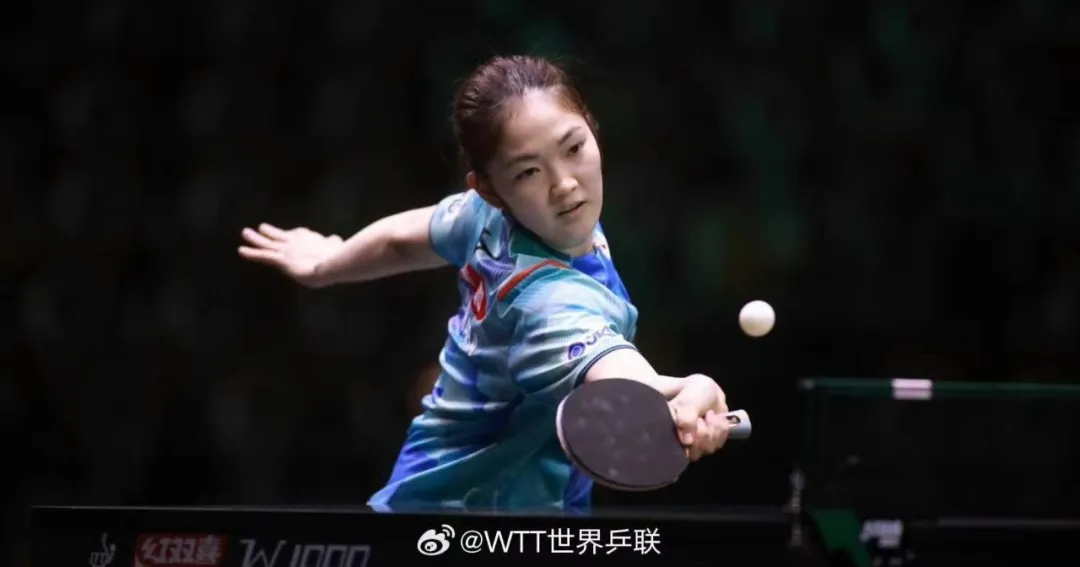
“Soft yet firm” — that’s the demand for a regular or short-pips blade. Soft, meaning good short-ball control and ball-holding ability for that aggressive, tricky attack. Firm, meaning it can produce speed and also withstand the impact when defending by borrowing force.
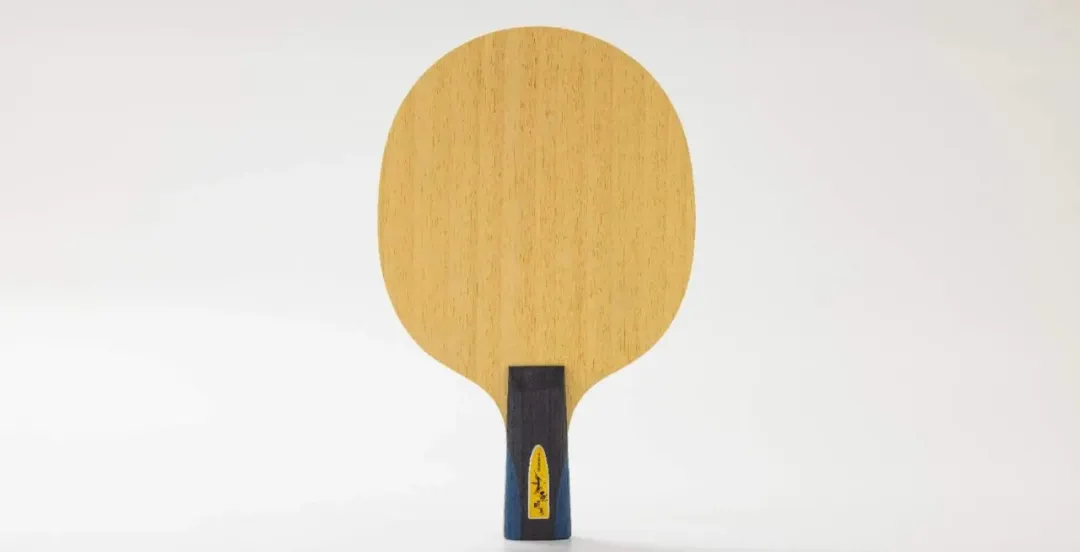
The Stiga CL series and the Harimoto ALC have both met this standard. Notable users of the latter include Zhang Mo. I think the Taksim with its Ayous face material, and the “Zhuming Bird” we’ve discussed, also fit that expectation.
6
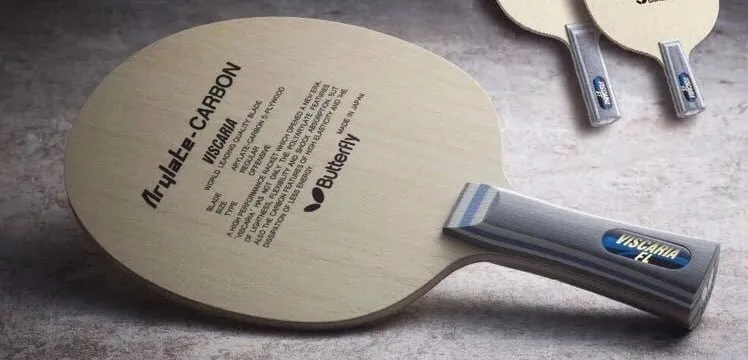
The faithful and linear Viscaria is also considered a top choice for various pips rubbers — from semi-long pips, to regular pips, to long pips. Representatives include Yuan Jianan, Mukherjee, Batra, and Mu Zi. She went through the CL, the Vis, and the 968 at different times. That’s why we say a national team player’s skill covers the gap between blades.
7
Thicker sponge under semi-long or regular pips maintains stability during control while providing stronger speed and depth when you drive through the ball — assuming you can generate enough stroke power.
For pips-only setups without sponge, the ball floats more unpredictably and sinks more dramatically.
8
As far as I know, the best-selling semi-long pips rubber is still the cheapest option: the 729 563. The top-selling item in Japan — also popular at Chinese table tennis academies — is the Moristo SP (used by Ito Mima). The rubber most favored by national team players is the Spectol series.
9
Generally, choosing a blade for long pips means considering how well the blade absorbs and releases force. However, hardened illegal-treated long pips changes this equation. With illegal hardening applied, even a stiff springy blade works fine.
10
When it comes to threatening pips play, the most dangerous players are those who use no inverted rubber on either side at all. Like Ayhika Mukherjee, with Butterfly Impartial XS regular pips on the forehand and gorilla anti-spin on the backhand. Or Izawa Kyoka, who defeated Chinese national players Qian Tianyi, He Zhuojia, and Wang Xiaotong at the Universiade — she plays VO greater than 102 regular pips on the forehand and Curl P5V long pips on the backhand.