How Long Does Table Tennis Equipment Really Last?
1. It Depends on Your Perspective
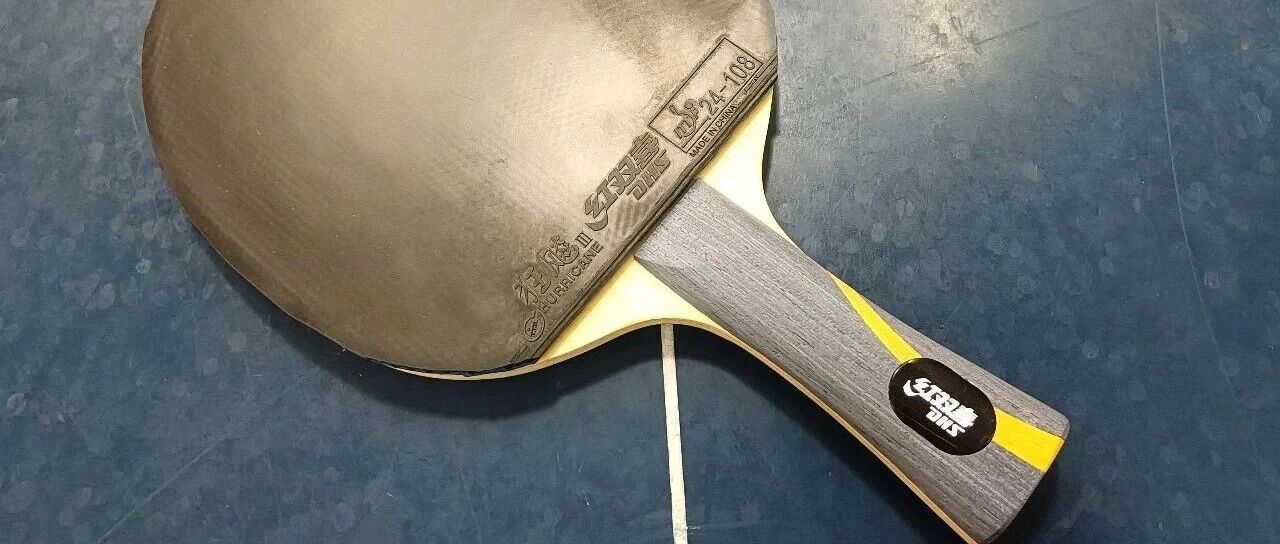
Take Hurricane 3, for example. Many players use it for a year or more without issue — that tacky surface genuinely holds up. So it saves money.
But once you start boosting Hurricane 3 with speed glue oil, boosting it repeatedly will cause the sponge to collapse. Boosting with actual booster glue is more durable; the downside is that each application doesn’t last long and needs frequent reapplication. The upside: the sponge holds up better.
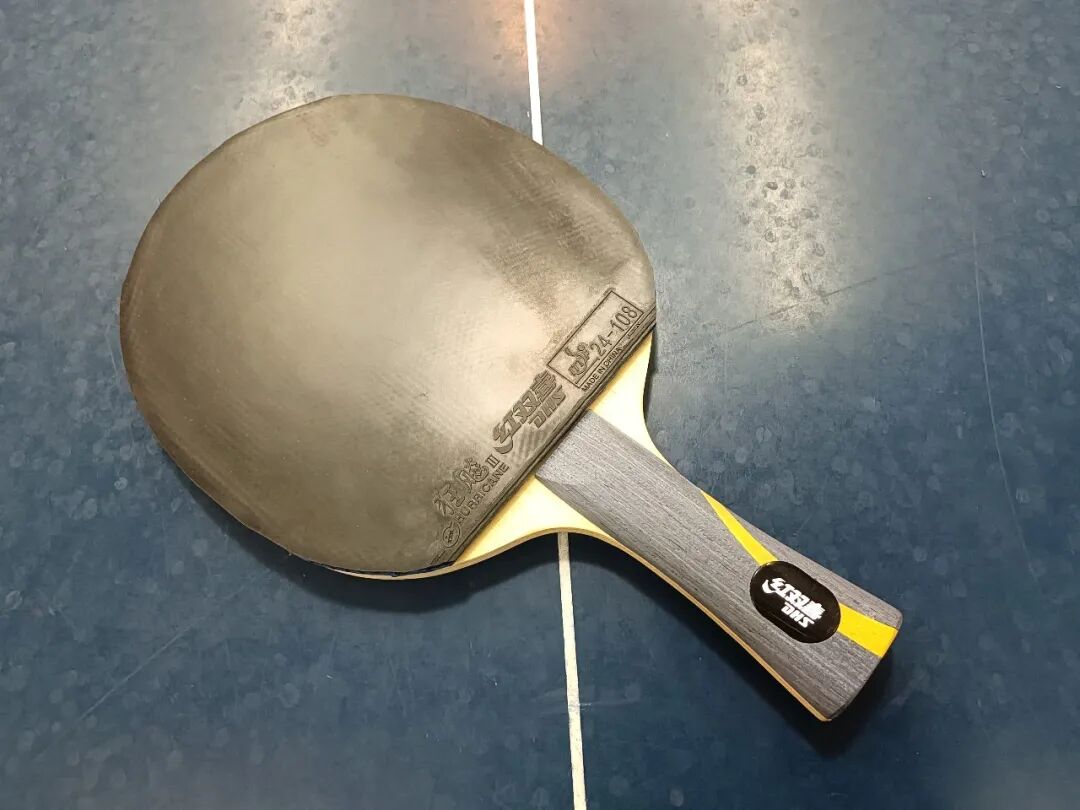
Either way, boosting Hurricane 3 comes with the risk of bubbling — which is largely a matter of luck. Sometimes it bubbles after just a few sessions and you have to trash it. For players who want low-maintenance durability, alternatives like Tibhar K2, Yinhe Big Dipper 5 (a more resilient, springier version of Jupiter 3), and National Standard 3 are worth considering.
2. Shoe Durability
I haven’t worn Li-Ning table tennis shoes much. Among other brands I’ve tried, ASICS and Mizuno have clearly the most durable outsoles — especially important for someone like me who moves around a lot.
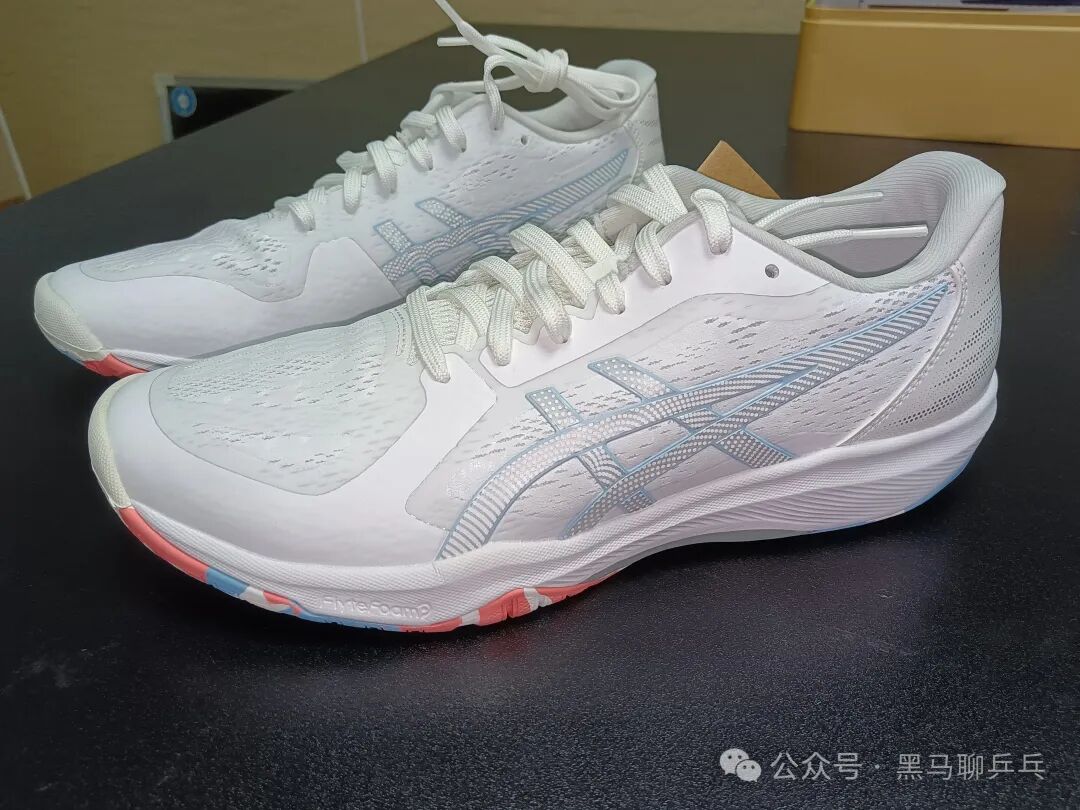
Beyond the usual cushioned gym floors, a few of us have a court set up in the countryside on raw concrete. That surface really puts shoe outsoles to the test. ASICS and Mizuno hold up fine for a year or more on concrete without cracking, even their budget models. Other brands are a mixed bag — some start slipping or show micro-cracks in the sole after just a dozen sessions on concrete.
3. Blade Longevity
When I first started promoting the Yinhe Black Horse custom blades, some players worried about Yinhe blades not being durable enough. But I’ve been playing with my custom KLC sample since March, and I haven’t noticed any meaningful degradation. It feels like the Blue-Gold Workshop special blades are pressed denser than usual — which is also why they tend to run slightly heavier. That may be why they outlast the regular market versions.
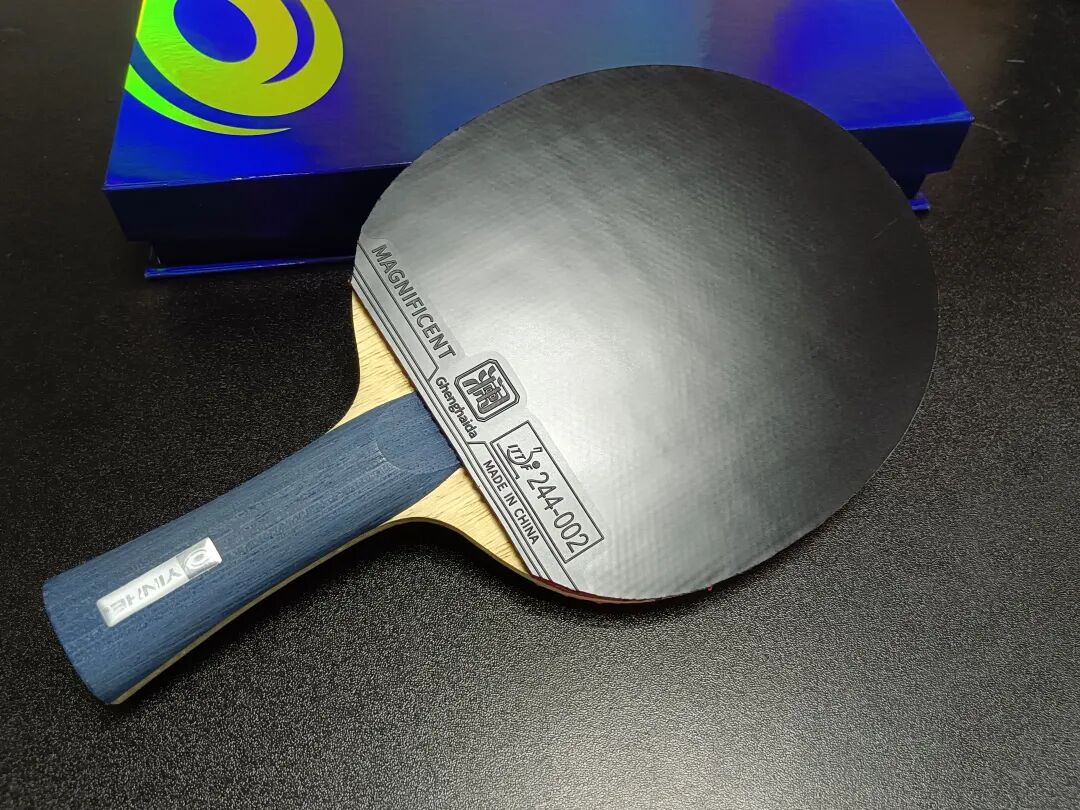
As a general rule, you can gauge a blade’s durability from its feel. If the overall flex is large, the touch is soft and springy, and the blade is thin and transparent-feeling in response — like the W968 or Carbon Dynasty — don’t expect it to last long. The harder you hit, the faster it breaks down.
Beyond that, Butterfly specials are very likely less durable than market versions, with elasticity fading faster. That’s my experience from playing dozens of specials and limited editions.
At least two reasons explain this. First, as I mentioned, thin blades with high overall flex simply wear out faster, and specials have more flex tension than market versions. Second, the degree to which the fiber is cured affects the stiffness of the blade’s feel. The fibers in market versions are noticeably more cured — making the blade stiffer. The softer-feeling specials, by contrast, wear out sooner.
You can still keep playing a worn blade. But you’ll notice the elasticity is clearly dropping — shots don’t come off as lively, arcs are shorter, and you have to work harder. In that case, switching to a slightly harder rubber can partially compensate.
4. Thin vs. Thick, Paulownia vs. Ayous
Thinner blades are generally less durable than thicker ones.
Also, outer carbon blades with a paulownia core tend to outlast inner carbon blades with a large ayous core. Ayous cores emphasize raw depth of power. Once the blade starts to soften, elasticity drops noticeably and it feels much worse to play.
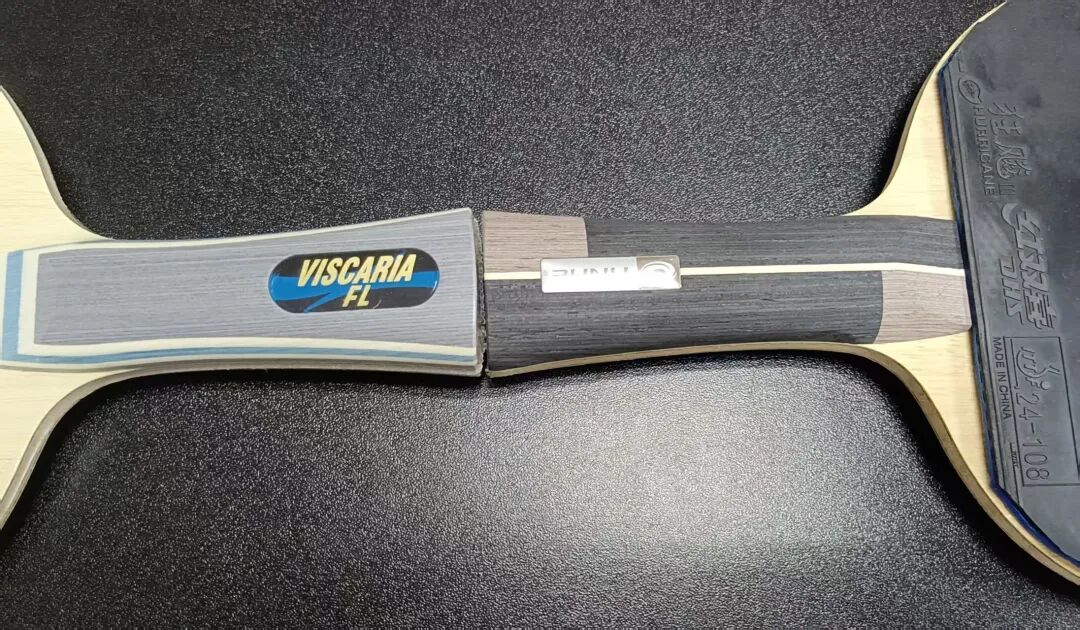
With paulownia-core outer carbon blades, the strength was never about storing energy and launching — it’s about ball speed off the surface and forehand-backhand balance. When a Viscaria with a paulownia core ages and the rebound drops a bit, some players actually feel it grips the ball better. So perceptually, it doesn’t feel “used up.”
On top of that, a 9-ply (or even 12-ply) paulownia-core Viscaria genuinely outlasts an ayous-core 968. The former emphasizes local flex, the latter overall flex.
Different brands also use different adhesives — some prioritize firm support, others prioritize transmission of feel through the glue layer.