Mastering the Return of Serve in Table Tennis

The ‘Foolproof’ Strategy for Returning of Serve
 This is a brand-new, technique-focused column presented in a Q&A format. The mysterious experts answering your questions are two former national team players (both seasoned coaches) who prefer to remain anonymous. They value peace and quiet over fame but believe sharing their technical insights is valuable. As a complement to the ‘Heima Table Tennis Talk’ series, the ‘Reaching the Peak’ column was born.
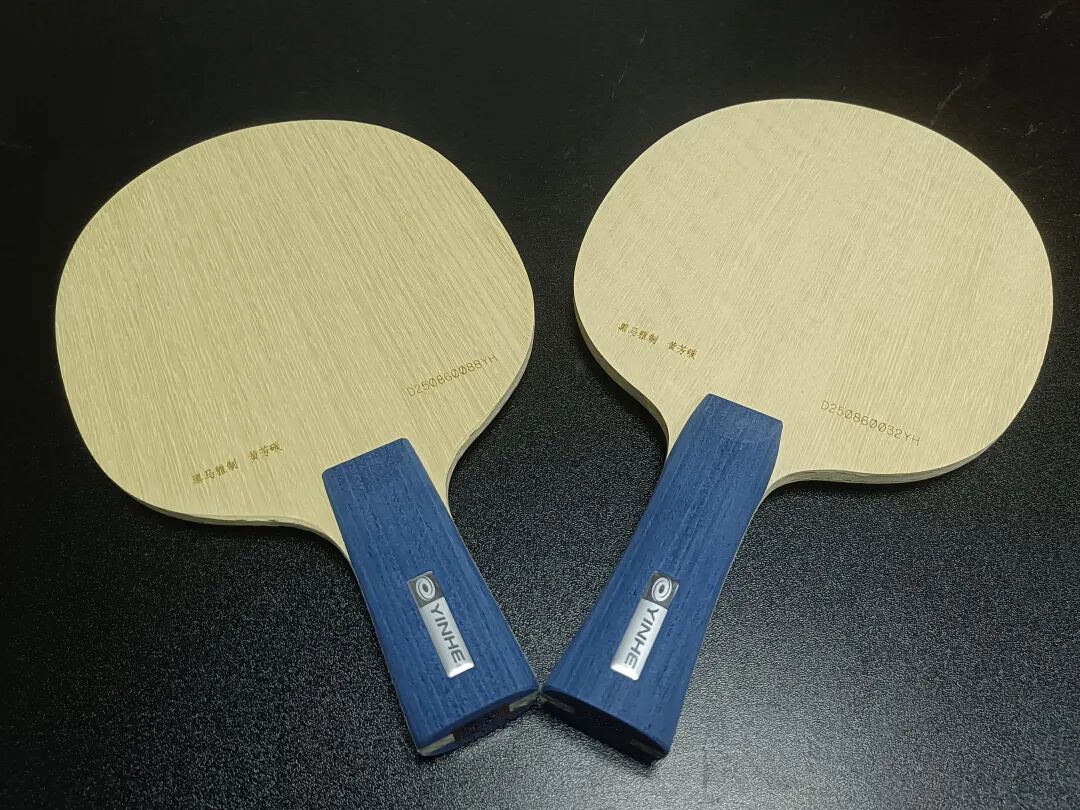 (Heima Yazhi KLC, a blade designed for more effortless power and explosive speed, specially crafted by Yinhe Blue Gold Workshop)
Q: Can you summarize the main reasons why players struggle with handling their opponent’s serve?
A: Generally, there are a few key reasons:
-
Footwork Issues: Many players use a single step for both upward and downward movements when returning serves, without using small adjustment steps. This makes it hard to get the timing and positioning right. Relying on a single step for short serves means you’re using your arm to reach for the ball rather than engaging your whole body. This leads to tension in the arm, making it easier to misread the spin. When the opponent mixes in a fast, long serve, it becomes even more challenging.
Therefore, returning serves should involve the entire body, not just the arm reaching out.
-
Misjudging Spin: Players either misjudge the spin or recognize it too late, missing the optimal contact point. This makes it difficult to control the ball and often results in mishandling the serve.
-
Psychological Factors: Players may struggle with returning serves from unfamiliar opponents due to nervousness, causing their arms and bodies to tense up. Even if they read the spin correctly, tension prevents them from effectively countering the spin.
Q: When struggling with returning serves, is there a ‘foolproof’ strategy to manage the situation?
A: In such cases, you shouldn’t aim for high-quality returns immediately. Instead, focus on slowing down your contact and sending the ball long. This gives you more time to prepare defensively.
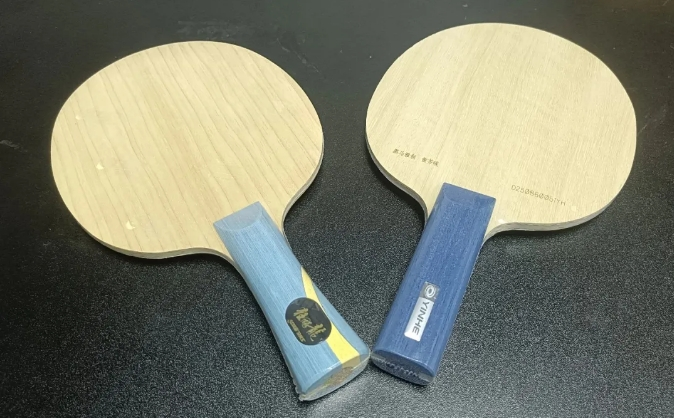
When you return the ball slower and longer, the opponent is less likely to be able to power up for a strong shot because the timing and positioning are more difficult. They will likely have to play the ball during the downward trajectory, resulting in a lower-quality return.
(Heima’s note: This strategy is particularly effective for amateur players. If you can’t handle a ball that the opponent struggles to attack, you might need to work on your fundamentals… For more advanced players, this type of ball can often be defended and then countered.)
This type of return tests your mental state, primarily your ability to stay relaxed. Of course, when you read the serve correctly, you can be more aggressive in your return. But when you’re unsure, this ‘passive’ approach allows you to reset and prepare for the next shot.
Q: As I get older, I find it hard to generate power for direct points. What should I do?
A: You don’t always need to rely on power. While powerful shots are a great way to score, they’re not the only method. As you age, the opportunities to use power effectively become fewer because you can’t get to the optimal contact points as easily.
At a higher level of play, it’s important to prioritize shot selection and placement over sheer power. You might need to set up the point with strategic shots before finding the right moment to attack. Instead of forcing power, focus on ‘accelerating’ the ball to create opportunities. Only when a clear chance arises should you go for a powerful shot; otherwise, trying to force power is more like a gamble and is only advisable when facing a much stronger opponent.