10 Small Habits to Improve Your Table Tennis Skills (Part 1)

10 Small Habits to Improve Your Table Tennis Skills (Part 1)

In the past year, I played less table tennis and wasn’t as sharp as before, so my competitive form wasn’t at its peak. However, with some dedicated training and preparation, my skills actually improved. How did this happen? It was largely due to the experience gained with age, insights from watching matches, and advice from top players.
Today, I want to share 10 small habits that can help boost your table tennis skills. Let’s dive in:
-
Master Multiple Serves For example, I excel at backhand serves, but I also practice forehand serves regularly. Being skilled in one type of serve isn’t always effective against all opponents. Even if your forehand serve isn’t as good as your backhand, some unfamiliar opponents might struggle with it. Therefore, having several serve variations is essential. Occasionally using a chop serve can also be effective in disrupting your opponent’s rhythm.
More importantly, each different serve should set up a specific scoring pattern. Serving a short, sidespin ball to your opponent’s middle-forehand side can set up an aggressive attack. Serving a fast, long ball to the middle can allow you to follow up with a quick forehand drive or a backhand smash down the line.
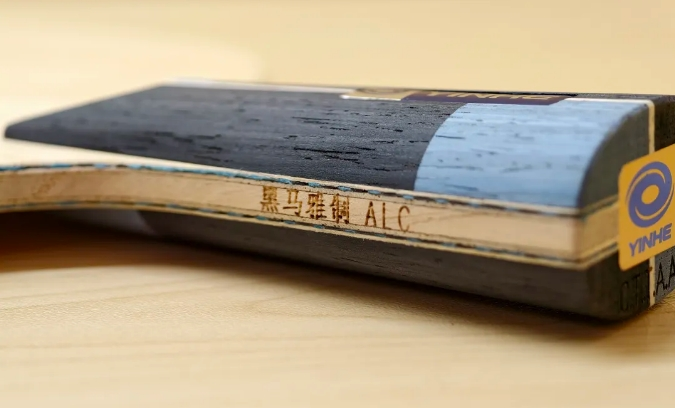 (A blade that offers more spin and power for the forehand)
The key is to “train” different scoring methods into your familiar patterns. The more patterns you have, the more unpredictable you become to your opponent, making it harder for them to return your serves effectively. Ultimately, the most important way to score and win is to ensure your patterns unfold as planned.
-
Get Enough Sleep Regarding Eileen Gu’s success, her mother highlighted a crucial factor: getting plenty of sleep, with 12 hours a day. In the past year, due to my busy schedule, I gradually disliked playing table tennis in the evening and felt tired. I believe many older players might have similar feelings. However, for those who get enough sleep, it’s a different story. Adequate sleep is a key factor that affects both your playing condition and your enthusiasm for the game.
Some players who don’t get enough sleep might seem to be playing, but they’re often just going through the motions without putting in effort. This is actually why I named my paddle “Moyu” (which means “slacking off” in Chinese)······
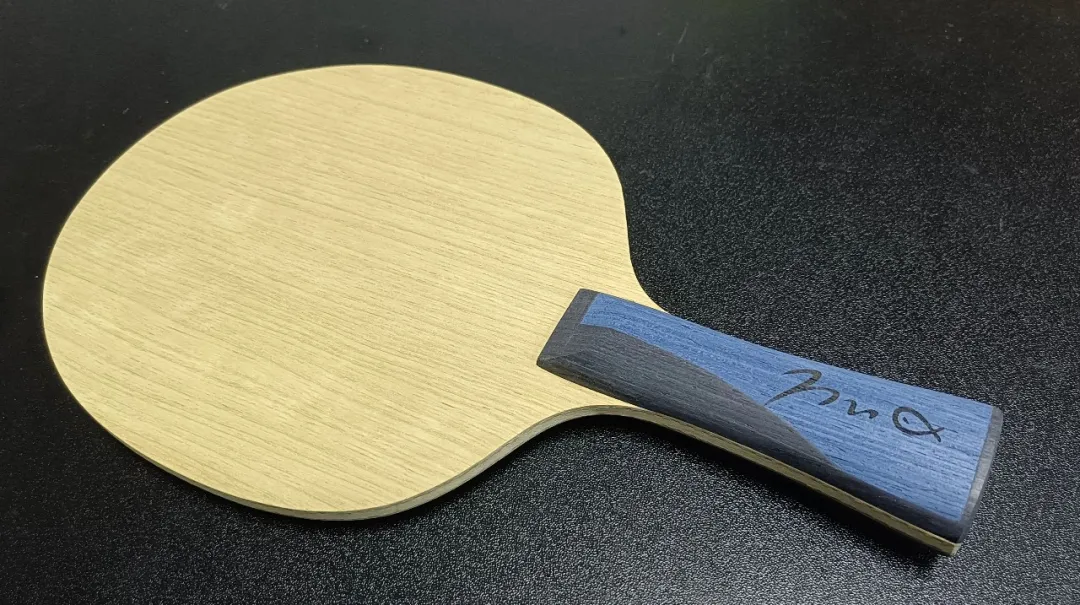 On the other hand, many people find that their playing improves on Saturday or Sunday afternoons because they’ve had enough rest and are more energetic.
 -
Practice Defense Consciously Nowadays, with the plastic ball, it’s not easy to win points with a single shot. Often, the game becomes a test of who makes more mistakes. If your initial attack isn’t of high quality, effective defense might be better.
When playing against less skilled players, you can use the opportunity to “practice.” Let them attack while you focus on defense. Send the ball long, to the baseline, so even if they can attack, it’s hard for them to generate power, making it easier for you to defend. This is one pattern.
Consciously force your opponent to hit without power, then counterattack. For example, push the ball long, let them lift it, and then smash or backhand flick. This tactic also works against stronger players.
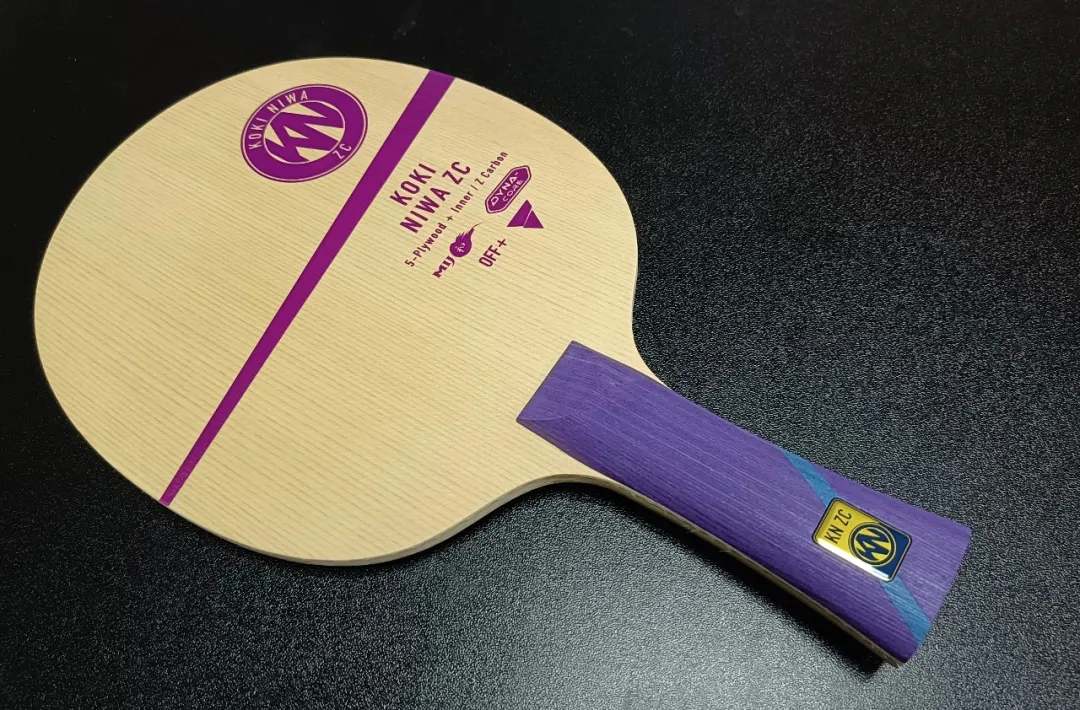 If you can anticipate your opponent’s attack, defense becomes much easier.
 -
Equipment Matters I often receive questions about paddle setups. However, one key way equipment aids technique is by ensuring your rubber is relatively new. New rubber indeed offers a larger sweet spot and makes attacking more consistent. New rubber can compensate for some technical issues······
As for the blade, upgrading isn’t the most critical factor. However, for blades like those from DHS and Stiga, which have a more direct feel and are glued less tightly, playing for a year or so might cause the elasticity to decrease significantly. Buying a new one can make the game feel much easier because of better rebound.
As you get older, the elasticity of the blade becomes increasingly important.
-
Observe to Simplify the Game When you’re waiting on the sidelines and not playing, don’t just play on your phone. Observe how others play.
Don’t just “watch”—focus on how each person receives serves. This is highly beneficial. Especially for opponents whose serves you struggle with, observe how others handle them. Sometimes, you’ll have a sudden realization: “Oh, this ball can be treated as a topspin and returned with a block; this serve, if you aim at the side, can be pushed to avoid the spin.”······