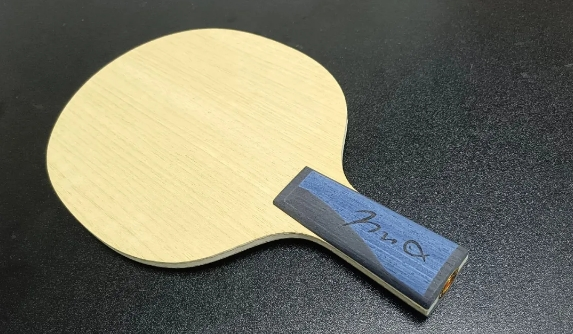
Ten Keys to Rapid Improvement in Table Tennis
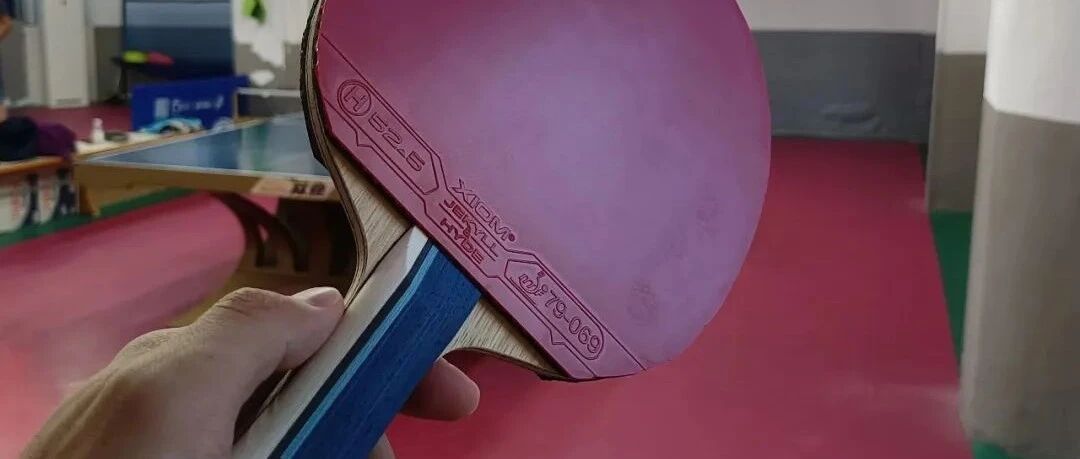
1. Practice More Balls
Many top amateurs have climbed through intensive multi-ball practice. Multi-ball training is extremely effective for developing individual technique and for finding your rhythm while moving. If multi-ball is not available, at minimum just practice more overall. Fifteen minutes of serve practice before a session quickly brings back the feel for friction and boosts your serve spin quality.
We usually jump straight into matches without warming up properly. That is why the feel never peaks — and mystery errors pile up.
2. Relax
Not just physically (to avoid injury) but mentally. Only in a relaxed state does our hitting rhythm become smooth and measured. Especially in competition, remind yourself periodically to stay loose — that is the path to receiving serves cleanly and to producing higher-quality shots.
3. Relax Your Grip
A former national team player once told me: real high-level players show their relaxation first in their grip. The wrist and forearm look almost limp — but in the instant of contact, everything tightens in a flash. Going from stillness (relaxed) to acceleration happens in a fraction of a second. That is how you generate explosive acceleration on the ball. If you are always trying to force power, if your arm and wrist are already tense before you even make contact, you end up working twice as hard for half the result.
4. Develop Deliberate Defensive Patterns
Build some deliberate defensive sequences. There are times when no clean attack is available. In those moments, push the ball to spots where your opponent struggles to produce a quality shot, then set up a solid defensive return — even one where you absorb and redirect with added pace. Every good amateur must master this step. The stronger your deliberate defense, the better your attacking rhythm becomes, because you know you can score even in a defensive exchange. That security removes panic, and your overall timing becomes more rational.
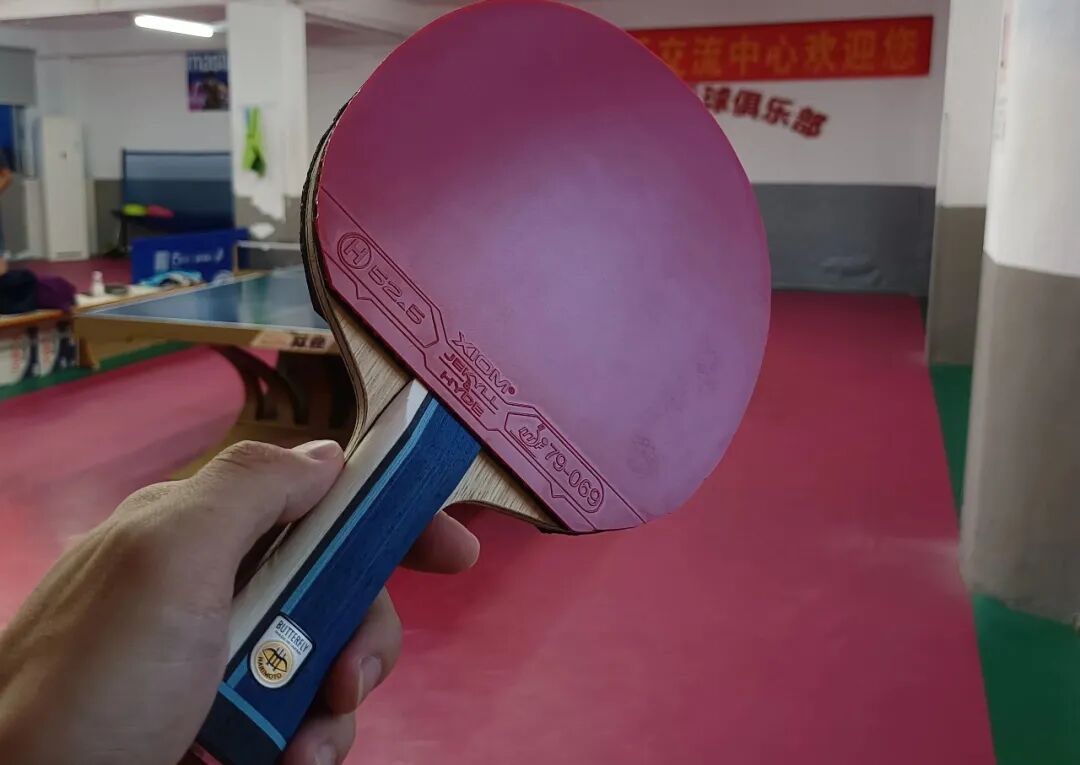
5. Analyze How You Score Points
Some players score primarily not through their own aggression but by inducing opponents’ errors. Once you understand how you actually win points, reinforce that strength. Without that self-awareness, you play aimlessly — sometimes too aggressive, sometimes too conservative — unable to commit to your own style.
6. Use Equipment That Highlights Your Control
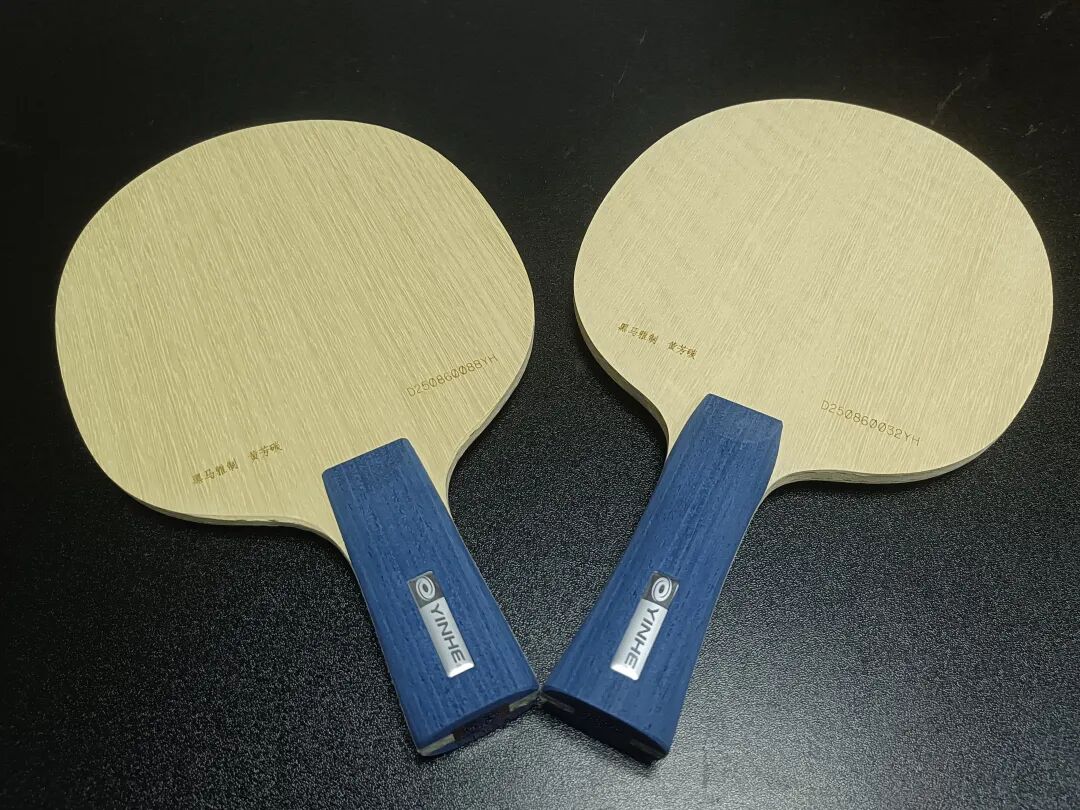
Being able to fully command the paddle in your hand is what lets all your technique come out. That is what drives long-term improvement. Maybe all you need is a reliable, linear Zhang Jike ALC, not a hyper-springy Super Zhang Jike Carbon that causes lots of errors.
All-around amateur favorites worth considering: Arylate Carbon 45, Lin Gaoyuan ALC, Mizutani Jun ZLC.
7. Change to Fresh Rubber Regularly
Instead of agonizing over which equipment fits best, sometimes it is smarter to put that money toward a fresh sheet. Brand-new rubber provides dramatically better friction and control than a worn sheet — your attacks feel more confident. Results improve naturally. Old rubber drops points, loses spin, and increases errors.
Timo Boll changing his rubber before every training session is every amateur player’s dream.
8. Play in Your Mind
For beginner and intermediate players, this pays huge dividends. Visualize your serve, your attack, how you move and create arcs during rallies. Sustained mental practice accelerates physical improvement considerably.
9. Play at Unfamiliar Venues Regularly
At least once every two weeks, face opponents you have never played before. Beyond stimulating excitement, it builds your in-game adjustment ability. That kind of adaptability is exactly what helps in real competition.
10. Get Enough Sleep
This is no longer just a middle-aged-uncle problem — many young people are chronically under-slept. The evidence is clear: most players perform noticeably better on weekends. Fully rested, reaction speed and hitting quality are genuinely different. If you feel like your blade has lost its power, sometimes it is just that you are running on empty.
Get some sleep first.