How to Choose a Backhand Non-Tacky Rubber in the 200-Yuan Range
By reader request, this post covers how to choose a backhand non-tacky rubber in roughly the 200-yuan bracket. Prices vary a bit, so I will focus on general performance profiles and which type of player each suits.
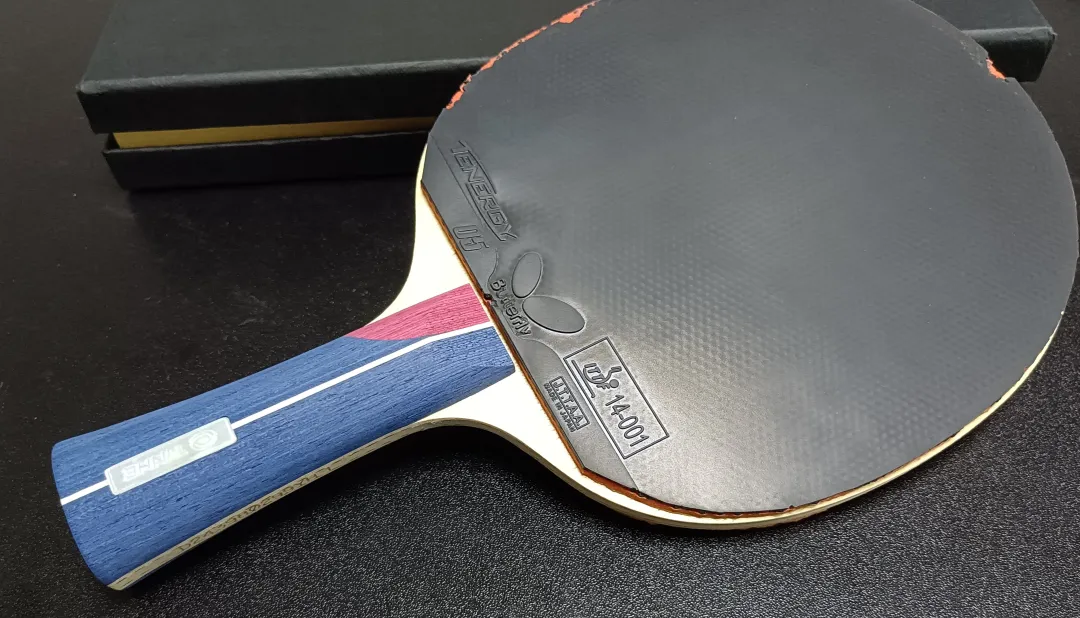
1. Tenergy 05 — The Benchmark
Ignoring price, my top pick for backhand non-tacky rubber is Tenergy 05. The instant dwell pause, the spin coefficient, the explosive speed on a full drive — among non-tacky rubbers suitable for recreational players, the overall package is number one. D05 is truly formidable, especially for flicking. But it demands too much power. T05 is the target.
2. Rozena — Pass
If it weren’t made by Butterfly, it probably wouldn’t sell. Mediocre friction, a bit light and bouncy, nothing more. Whether it even beats the Jinbow 9 or Grape 450, which I find unremarkable, is questionable.
3. XIOM Vega Pro — Best Value
The Vega Pro has a bit of sponge fatigue when you are pushed back from the table, but the topsheet grip and flicking ability are excellent. For players stepping up from beginner to intermediate level, this is typically my first backhand non-tacky recommendation. Better on harder blades than soft ones.
4. Yasaka R7 — Light and Inexpensive
Good topsheet grip, stable, and directional on the output. Also light, and affordable. Same caveat: the sponge power is limited, so it suits outer-carbon blades better.
5. Donic Glayzer — Solid and Dependable
The topsheet friction, sponge firmness, and that swallowing-and-releasing feel are all very good. It is slightly less explosive than Tenergy but honest and reliable. As long as the hardness works for you, it is a strong choice. If you want a softer, springy feel there are alternatives.
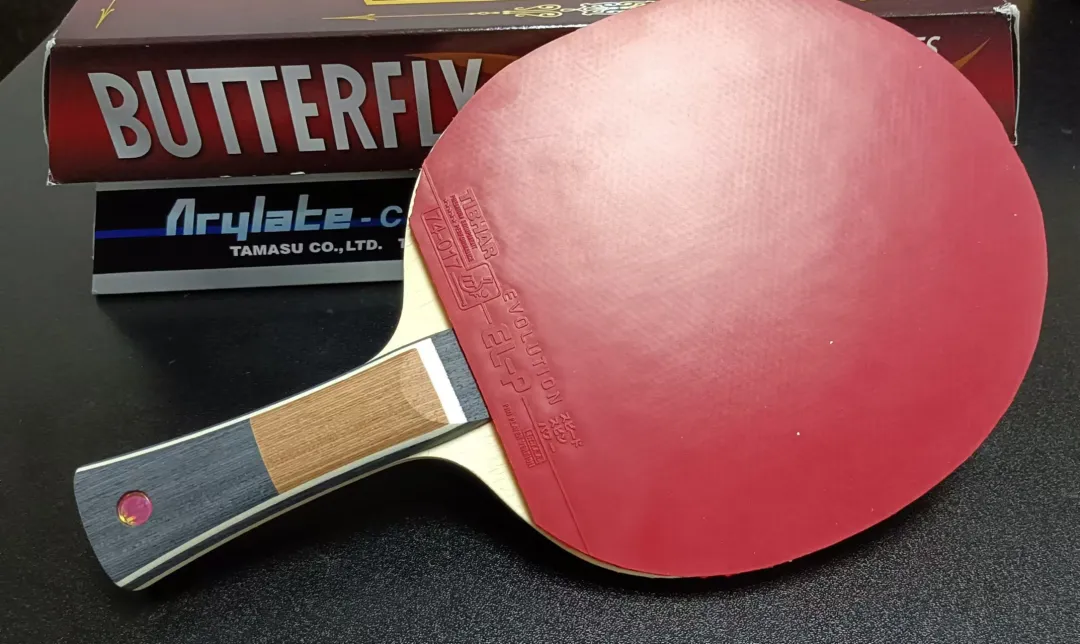
6. Tibhar Evolution el-p — 200-Yuan Must-Consider
The Evolution series gets criticized for sponge internal-energy durability. But if you never peel it off and you are using it on the backhand where deep power penetration is less critical, el-p is more than sufficient. The topsheet texture has some resemblance to Glayzer, but the sponge is softer and easier to drive through. Loop stability on the reverse side is high. One of the key recommendations in this price range.
7. Donic V more than 15 Extra — For Defenders Who Score Forehand
This one suits players who want to shore up backhand defense and flicking ability. Choosing this rubber means you accept that your backhand is there to not be a liability, while the forehand does the scoring work.
8. Joola Golden Tango ACC — Tenergy Warmth at Lower Cost
In feel it has something of Tenergy’s warm, embracing quality — genuinely pleasant. The sponge sinks in deeply, a transition from firm to soft. The more force you apply, the more it grips; speed is genuinely fast.
One downside: the sponge is a bit brittle, so peel carefully.
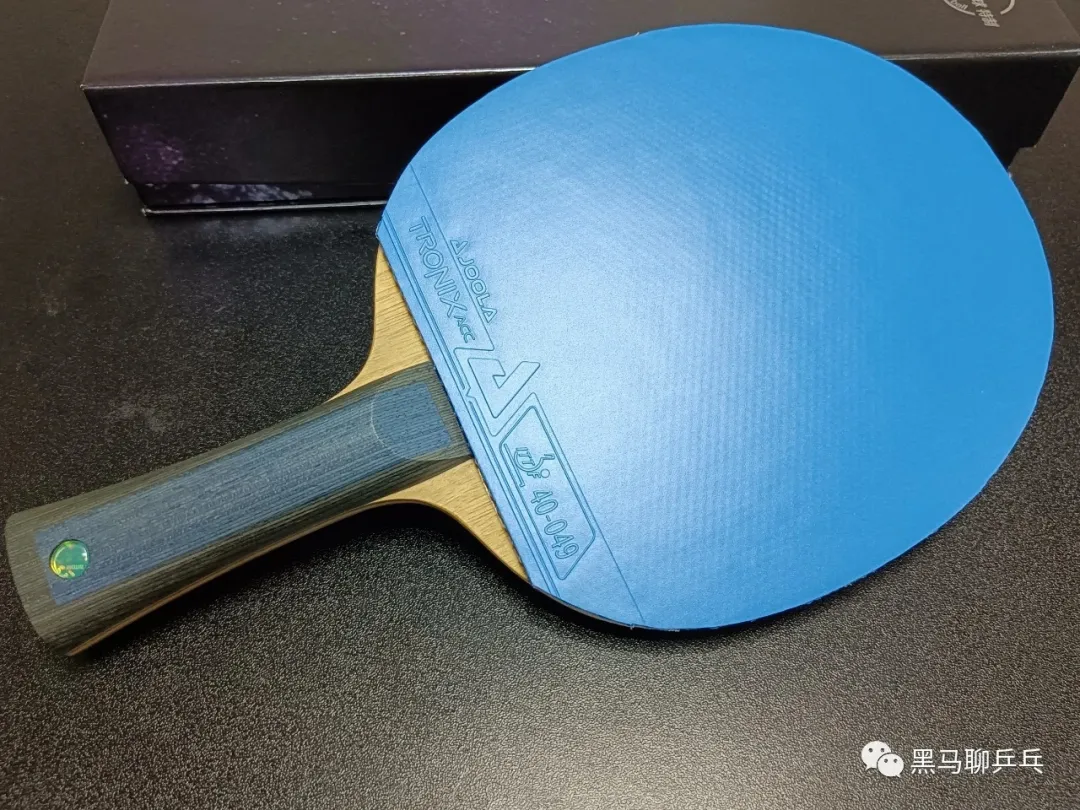
9. Donic Bluefire M1 — Budget T05
For years M1 was considered a budget alternative to T05, and the overall performance profile is fairly close. Absolute speed is not quite T05 level, but still fast. For backhand play, the spin generation is quite delicate.
One downside: M1 is close to 50 grams, which is not light. Even if you go for the softer M2, the weight is similar.
10. Stiga DNA Platinum — Light and Fast
The DNA Platinum is notably easy to drive through and feels more quick-release than the others. Speed advantage is real. And the weight is user-friendly. Dwell time is short, but the grip sensation is excellent. The M hardness is on the stable side; H hardness suits higher-level recreational players.