Choosing the Right Blade and Rubber for Beginners to Improve Their Serve and Receive
Choosing the Right Blade and Rubber for Beginners to Improve Their Serve and Receive 
I was shocked when this question came up in my dedicated fan group: What blade and rubber should beginners use to improve their serve and receive, especially when they struggle with receiving serves?
As someone deeply rooted in the technical aspects of table tennis, I felt compelled to address this. Another player asked a related question: What equipment is best for improving backhand receive against serves? It became clear that many of you are trying to solve technical problems with equipment choices, which is like climbing a tree to catch a fish.
However, could there be a way, even if not a complete solution, to at least support the improvement of these skills?
Self-awareness
First, as a beginner, you must acknowledge: I am a beginner, and struggling with serve receive is perfectly normal. At this point, you should turn to resources like the ‘Mastering the Basics’ section, which offers advice on improving your serve receive.
From a technical standpoint, there are many reasons why your serve receive might be lacking. Aside from the opponent’s strong or potentially hidden serves, your lack of experience against unfamiliar players could be a factor. If you mainly play with familiar faces, encountering a new opponent can be challenging.
- Increase your exposure to unfamiliar opponents. Regularly play against people you don’t know.
- Be decisive with your strokes. Often, you recognize the spin but hesitate to act, fearing mistakes. For example, you might avoid pushing or looping against backspin. This hesitation can be exploited by your opponent. If you have a coach or a skilled friend, ask them to serve the types of spins you struggle with, so you can practice and overcome these challenges.
- Observe other players during your downtime. Watch how the server delivers the ball and how the receiver responds. This can be very instructive and help you improve over time.
Equipment Choices
The lower your skill level, the more you should prioritize control in your blade and rubber choices. For beginners or novice players, moderate elasticity is key. If you can’t control the ball, you’ll struggle even more with spin.
Rubber: Sticky rubber is often the preferred choice for serve receive because it offers better control. While sticky rubber can be more susceptible to spin, it allows you to exert force and maintain control over the ball. If you’re using a spin-friendly rubber, ensure it has enough grip to help you control the ball. High-end options like Tenergy 05fx, or mid-range choices like Bluefire M1, M2, and Nitaku C1, are worth considering. Avoid rubbers like F1 if you struggle with control.

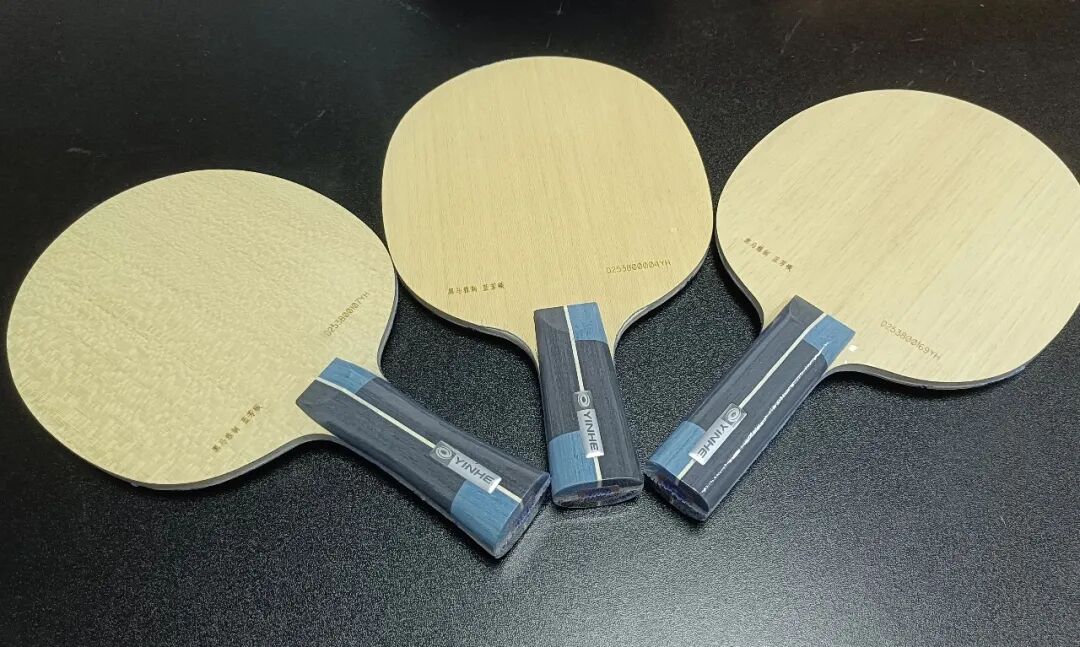
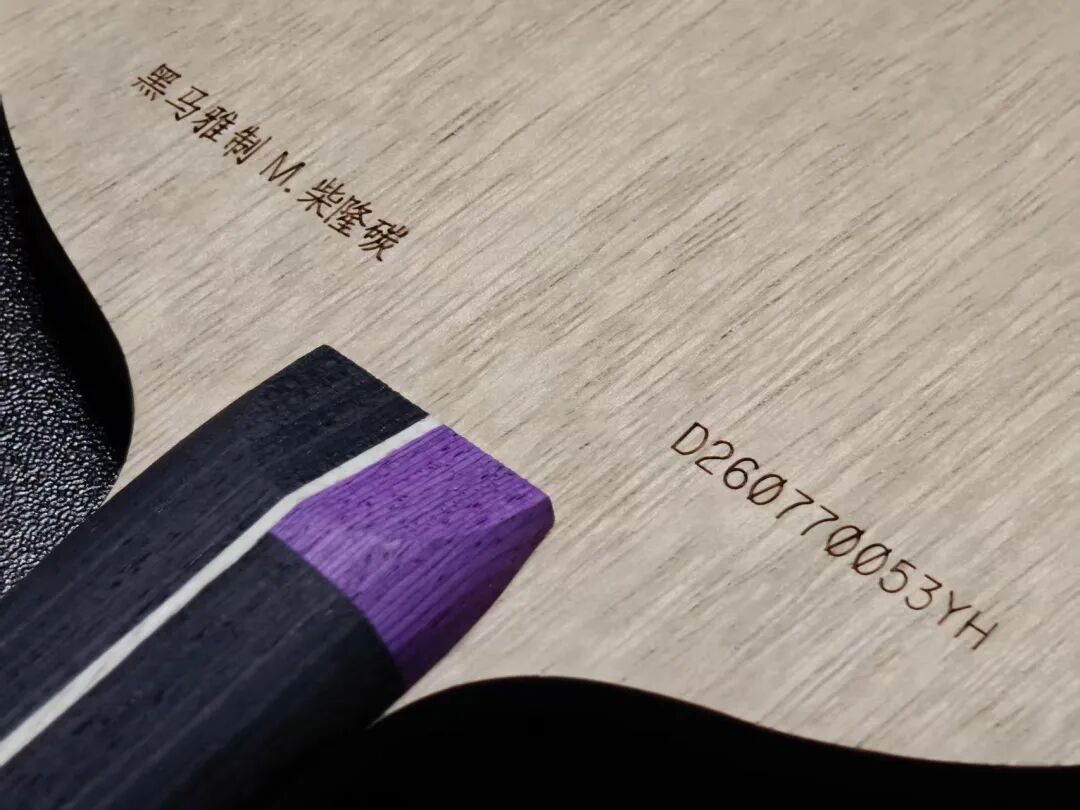
Blade: It should also offer good control. For beginners, a five-ply wood blade is a solid choice as it provides the necessary control and grip to handle serves. For players with some experience, whether you choose an inner or outer fiber blade, ensure it doesn’t shoot the ball out too quickly. A soft outer fiber blade, such as the Fan Zhendong ALC, Lin Gaoyuan ALC, Zhou Qihao 90, or Heima Yazhi ALC, can be a good option. Blades that naturally support backhand play often make serve receive easier. Many of these are outer fiber blades because their construction helps with ball placement. Additionally, blades with a balanced center of gravity can provide better control.
In conclusion, even I, as Heima, have moments of struggle with serve receive. But the most effective solutions are simple: increase your exposure to unfamiliar opponents and learn to observe and analyze the serves and receives of others. Sometimes, becoming a technical expert also involves being a gear expert.