Exploring the World of Chinese Table Tennis Equipment

Today, let’s delve into the realm of Chinese table tennis equipment. 
During the summer vacation, my child began learning table tennis. I set up a blade for them: the Sanwei Nordic 5, paired with Gao Bo Force rubbers on both sides. The Nordic 5 is a five-ply all-wood blade with a relatively transparent feel. I chose Gao Bo Force for its ‘built-in energy,’ requiring only non-boosted glue, which is convenient. While its power is somewhat average, this isn’t a concern for a beginner.
For beginners, there’s no one-size-fits-all answer to choosing a blade. Some believe all-wood blades better cultivate feel and understanding of spin, while others prefer thin carbon blades for their lightness and elasticity, which can compensate for a lack of power. Personally, I think either all-wood or thin carbon blades are suitable, as long as they offer a clear feel and are easy to control.
Choosing high-end imports like the Stiga CL or Butterfly mid-range blades (such as Maze Advance or Korbel) for beginners might be a bit extravagant. Children tend to be rough on their equipment. Moreover, some of these blades, like the Butterfly Fassima, don’t live up to their reputation. Despite good craftsmanship, their performance doesn’t match many Chinese blades that cost around a hundred yuan.
Blades like the Sanwei Nordic 5, Yinhe U2s, and DHS Jingu 7 are excellent for practice. There are also imported brands with blades made in China, such as the all-wood seven-ply Swat used by Ni Xialian or the Banda Offensive made in Zhongshan, which offer clear and comfortable feedback.
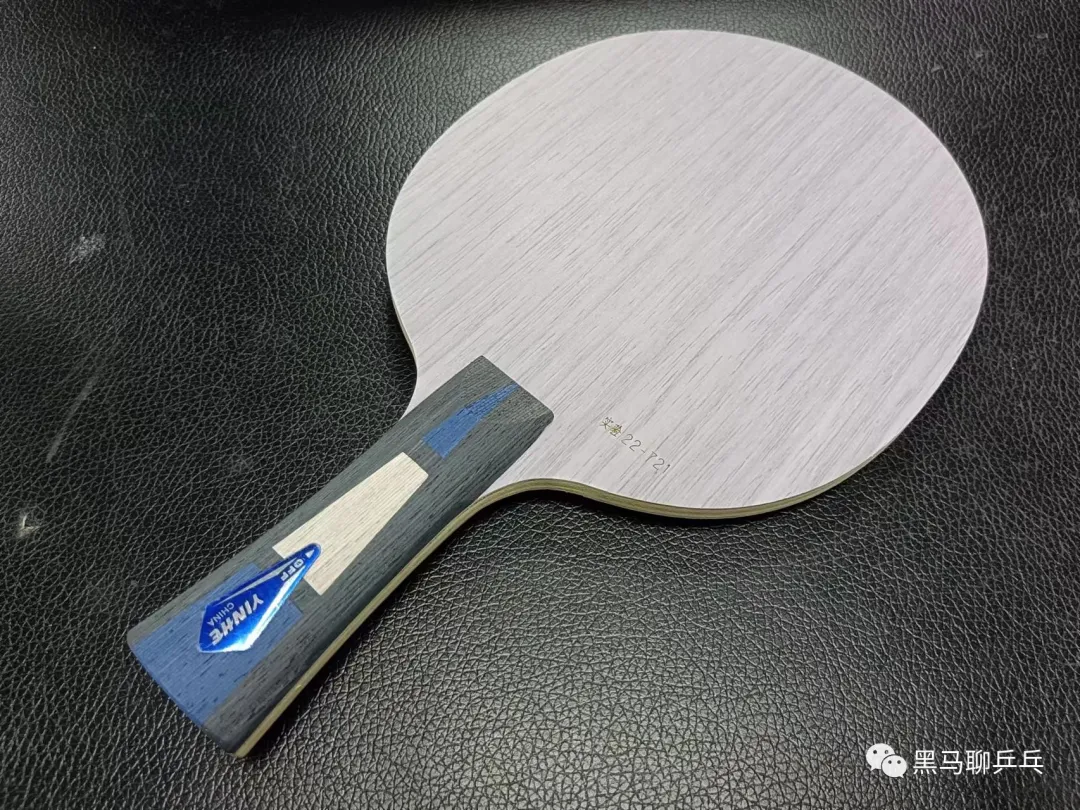
It’s undeniable that Butterfly excels in the high-end blade market. However, in the mid-to-low range, their offerings are increasingly lacking in value. The Fassima lacks power, and the Mazun All Wood is just a thicker version to compensate for its quality. Blades like the Attack Courage and Kourpal, priced around $400-500, are just riding on the carbon blade name. In reality, they feel somewhat thin and lack the quality and pressure of Chinese blades in the same price range. The Sanwei 75 Par, with its Vis-like resilience, and the Shido Victory are better options. The Moyu and Yao Nie blades from Heima are also popular among amateur players.
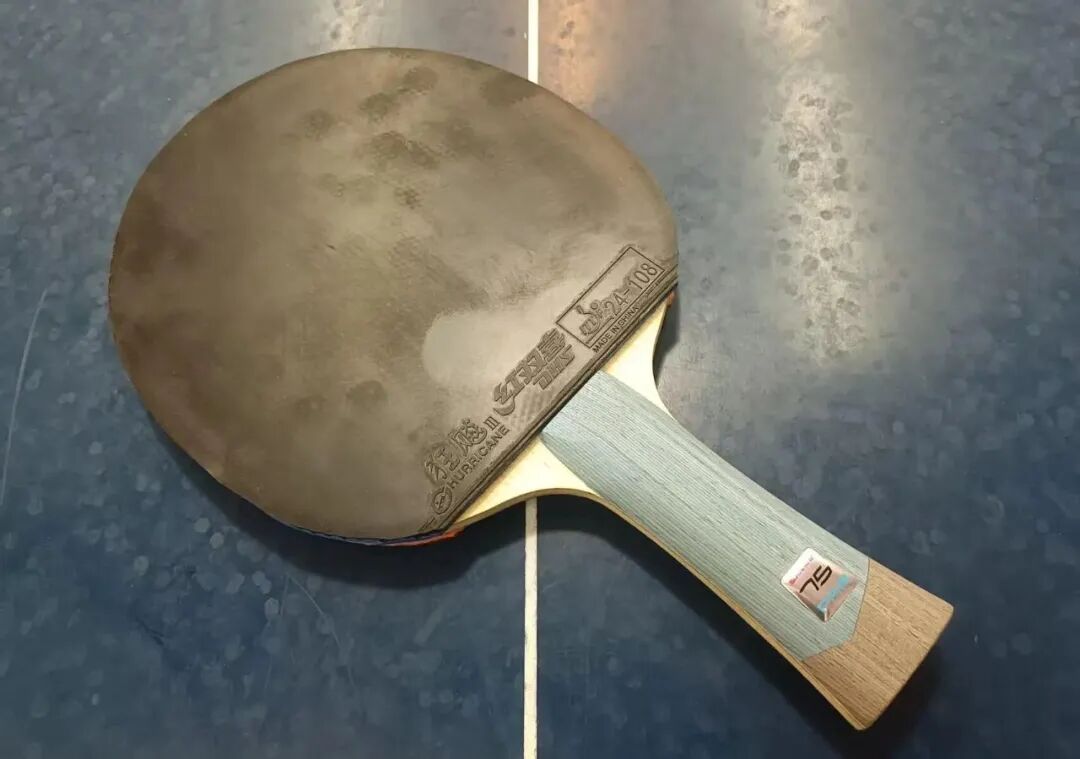
Not to mention the even more affordable options. Blades like the Yinhe Pro-01 and U2, and the Shido Vsea, may have mixed reviews, but their performance is comparable to Butterfly blades in the $300-500 range. Sometimes, we buy based on Butterfly’s reputation alone.
In a previous article, I discussed a phenomenon where blades in the $200-500 range are quite similar. Indeed, many foreign brands now manufacture blades in China, indicating the country’s manufacturing prowess. For instance, the Stiga Banda series and their new Power Carbon, both made in China, have received positive feedback. Victas, Joola, and Gewo also have multiple blades made in China, including some high-end models. Xiom and Tibhar are no exception.
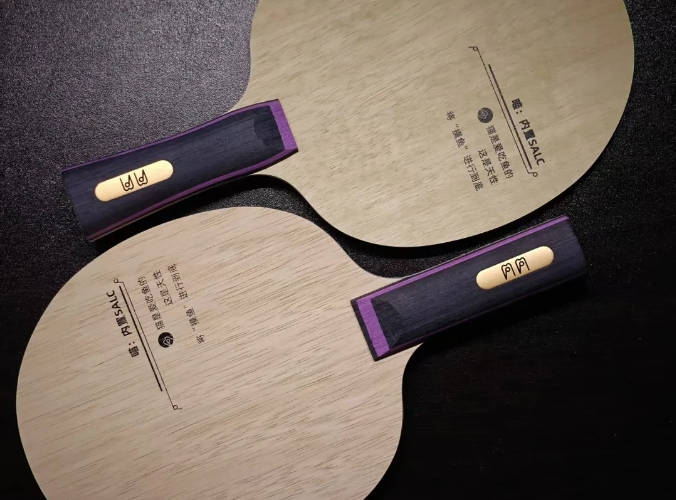
During a visit to the Eastar factory in early March last year, I wrote about how various fibers and nine-ply paulownia wood can be purchased directly. Blades costing around a hundred yuan are now thriving. For example, the Zhang Ben SALC-structured ‘Nyan’ I later chose was rated by many players as not inferior to the previous Moyu, indirectly showing that manufacturers’ standards in the mid-range are now very close.
In the high-end blade market, the DHS 968 series is considered the top choice by many. This ‘many’ includes not just national players or domestic amateurs but also many players from Japan, Korea, and some from Europe and America who use the 968 special edition. Over the years, the Yinhe blades used by numerous national players have also gained increasing recognition. From the Yinhe external blades used by Yu ZiYang, Xu Yingbin, and Liu Dingshuo, to the 520X used by the North Korean team and Chen Yi’s Pro-05x Max, their performance is truly comparable to world-class high-end blades.
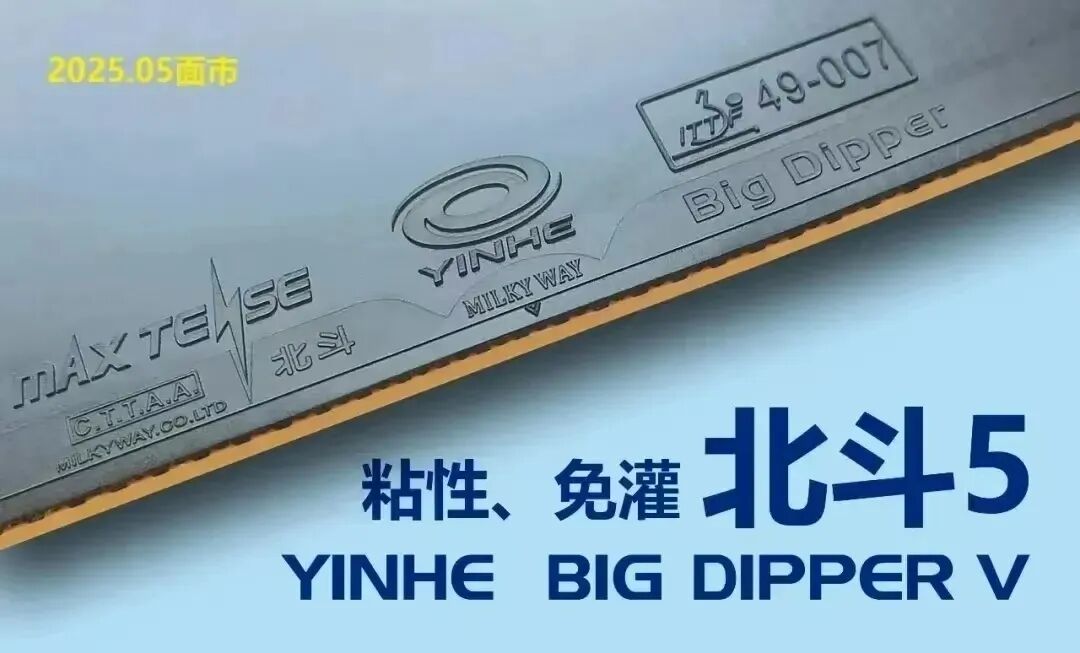
I admit that the Butterfly special editions I’ve played with do have a unique approach to fiber processing (whether cured and the degree of curing) and adhesion. However, in terms of market versions, I don’t see any superiority in Butterfly’s flagship blades. Many players also rate the Heima Yazhi ALC as having better power retention and bottom strength than the Lin Gaoyuan ALC and Fan Zhendong ALC, making it their favorite.
In terms of workmanship and detail, Butterfly is slightly better. But in terms of performance and ball quality (excluding special editions), Butterfly’s market blades don’t surpass DHS’s internal and Yinhe’s external blades. In terms of fiber, DHS’s super-dense fibers (such as the special edition of Hurricane Dragon 5H) and Yinhe’s new PLC (such as the Heima Yazhi PLC), with the support of DHS Research Institute and Yinhe Lanjin Workshop’s material selection and adhesion processes, perform just as well as Butterfly’s ZLC blades.