Tibhar Evolution EL-P Review: The Balanced, Spin-Friendly Heart of the Evolution Lineup
Pros
- Balanced character that splits the difference between MX-P and FX-P
- Easy spin generation and a grippy, chewy feel on loops
- Strong control and blocking that absorbs incoming speed
- Catapult delivers real pace when you accelerate through the ball
- Handles the short game, looping, flat hitting and blocking
- Works on both wings, with many users favoring it for backhand
Cons
- Heavy for its hardness, often as heavy as tacky Chinese rubbers
- Slower than MX-P, so dedicated speed seekers may want the harder sibling
- Loses spin quickly when dusty and needs frequent cleaning
- Pushing and chopping are relative weak points
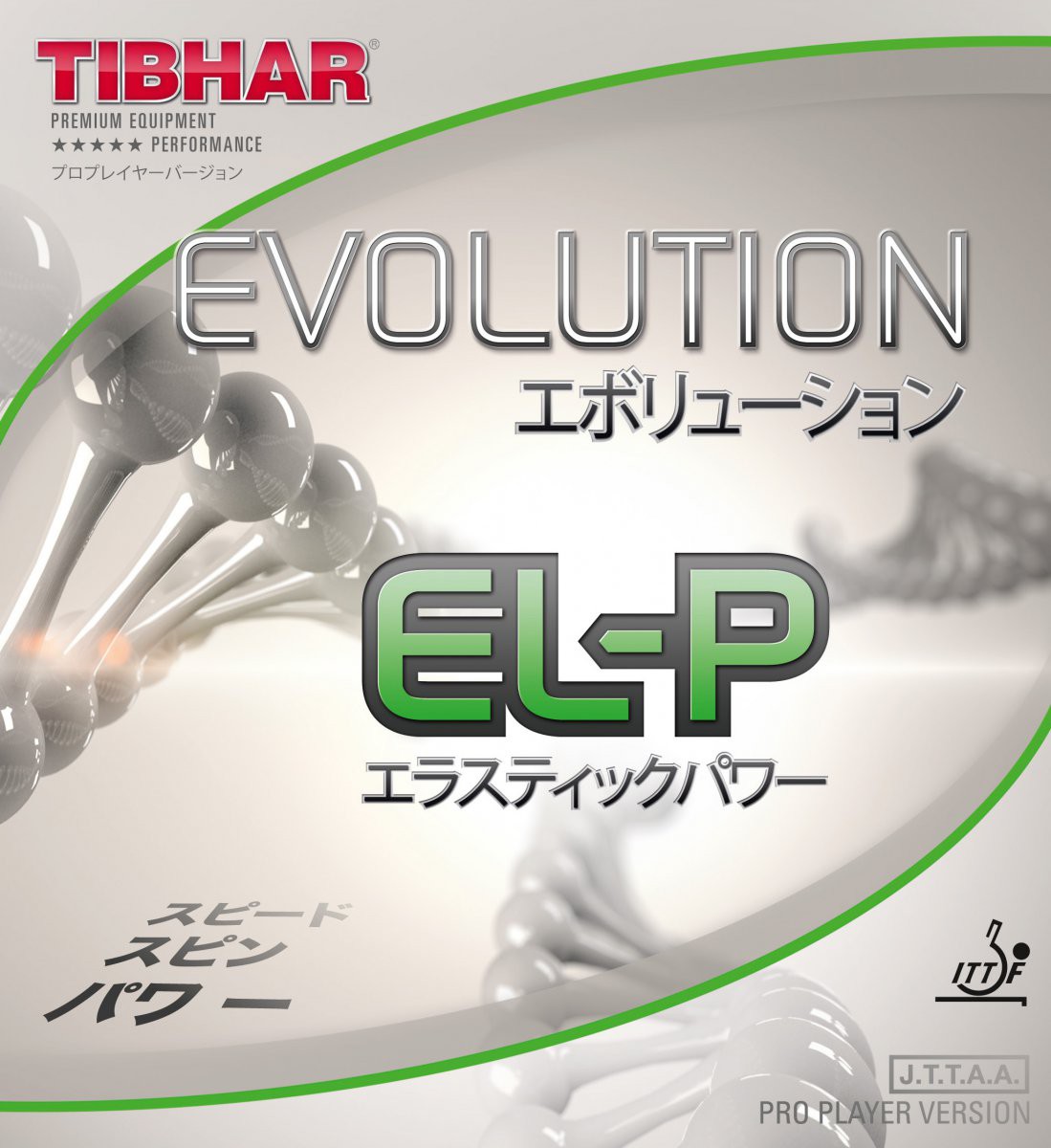
Tibhar built the EL-P to sit in one exact spot, and the design follows from that. It is the most elastic sheet in the Evolution series, on a medium sponge that drops straight between the harder MX-P and MX-S and the softer FX-P. The marketing aims it at topspin players who find the MX version too hard and the FX version too soft, leaning on rotation and power over outright pace. Pull together the reviews from Revspin, Megaspin, TableTennisDaily, and the in-depth Tabletennis11 editorial test and the same rubber keeps showing up: a do-everything tensor that gives away a little top-end speed for control, comfort, and predictability. What follows is where it fits and who it is for among its more famous siblings.
Performance
Every source agrees the EL-P feels soft for the family. The Tabletennis11 tester put it as quite soft to the touch, softer than MX-S, MX-P, and EL-S, closer in character to Andro Rasant Grip. That softness buys a forgiving contact that makes the short game and blocking easy.
Speed is the argument. Against the rest of the line it runs a level slower than the MX rubbers and marginally slower than EL-S, but almost every reviewer adds the same caveat: drive the arm through the ball and a strong catapult kicks in, faking high speed. Several describe a chewy sensation, the ball sinking into the sponge before it springs forward. The price is timing — the catapult is a little hard to predict, and the Tabletennis11 reviewer caught the topsheet missing full grip on loops against heavy backspin.
Spin is a real strength. Reviewers brush spin more easily than off the stiffer MX-P, even though the absolute ceiling sits a notch lower, and one experienced forehand user said the spin lands so low it is very hard to counter-attack. The throw runs medium to medium-high, safe over the net without ballooning the arc the way a high-throw sheet like Tenergy 05 can. Blocking earns universal praise: with no aggressive spring, you absorb and kill incoming pace, and several reviewers put blocking at 9.5 out of 10. Control is the headline, with users calling it not bouncy and easy to place.
Two weaknesses stand out: weight and upkeep. The medium sponge does not make it light. Reviewers cite around 48 grams cut to a test blade and up to roughly 70 grams uncut, which some compared to tacky Chinese rubbers. Like the rest of the Evolution family it sheds spin fast the moment it gets dusty, so frequent cleaning keeps serves and loops biting. Pushing and chopping are the low points; one detailed reviewer called pushing the rubber’s great weakness.
What Reviewers Agree (and Disagree) On
The consensus across all four sources is strong: the EL-P is a balanced, controllable, spin-friendly tensor that any all-round attacker can enjoy, with standout blocking and short game. Reviewers agree it sits squarely between FX-P and MX-P, that it needs regular cleaning, and that it is heavier than its sponge hardness suggests. The disagreements are mostly about positioning. Some players love it on the forehand and call it the best rubber they have ever used, while others find it slightly too soft for forehand and prefer it on the backhand. A few coming from MX-P felt the spin and speed were underwhelming by comparison, whereas players coming from softer or tackier rubbers were delighted. The Tabletennis11 review also suggests the newer EL-S can be an improved alternative for players wanting the same overall character, which is a useful pointer for anyone choosing between generations.
Who Should Buy It
Buy the EL-P if you are a developing or intermediate all-round attacker who values control, consistency and easy spin more than raw speed, and who plays mainly at the table to mid-distance. It is an excellent backhand rubber and a strong forehand choice for anyone who finds MX-P too stiff but wants more bite and stability than FX-P offers. Blockers and players who rely on placement will appreciate how it kills incoming pace. Think twice if you are a beginner still grooving basic strokes, since it is fast and heavy, or if you are a speed-first looper who wants maximum top-end pace, in which case the harder MX-P is the better fit. Also be honest about maintenance: if you will not clean your racket regularly, the rubber will not show its best spin.
FAQ
How does the EL-P compare to the MX-P and FX-P?
The EL-P is deliberately positioned between them. It is softer, slower and more controllable than the MX-P, and harder, faster and more stable than the FX-P. Reviewers find it easier to brush spin than the MX-P, though the MX-P has a higher speed and spin ceiling. If MX-P feels too stiff and demanding but FX-P feels too soft and slow, the EL-P is the intended middle ground.
Is the EL-P better for forehand or backhand?
It works well on both, but opinion splits. Many reviewers favor it on the backhand for its control and easy spin, while some experienced players love it on the forehand. A few find it slightly too soft for forehand. As a rule of thumb, it is a safe, high-control backhand and a good forehand for players who want more comfort and bite than MX-P without going as soft as FX-P.
Why does the EL-P feel heavy?
Despite its medium sponge of roughly 43 degrees ESN, multiple reviewers measured it around 48 grams cut to a test blade and up to about 70 grams uncut, comparable to tacky Chinese rubbers. The dense topsheet and sponge add weight, so pair it with a blade where the extra mass will not unbalance your racket.
Does the EL-P really lose spin when dusty?
Yes. Several reviewers warn that, like the rest of the Tibhar Evolution family, the EL-P loses a noticeable amount of spin when even slightly dusty, which also dulls serves. Wiping it down regularly with a damp sponge or rubber cleaner restores the grip, so consistent maintenance is part of owning this rubber.
Is the EL-P suitable for beginners?
Aim it at developing and intermediate players, not complete beginners. The control forgives, but it is fast and heavy, and reviewers warn it is the wrong tool for someone still grooving basic strokes. Intermediate players with reasonable technique pull far more out of the catapult and spin.