Five Major Equipment Shifts Among Top Local Amateur Players Over the Past Five Years
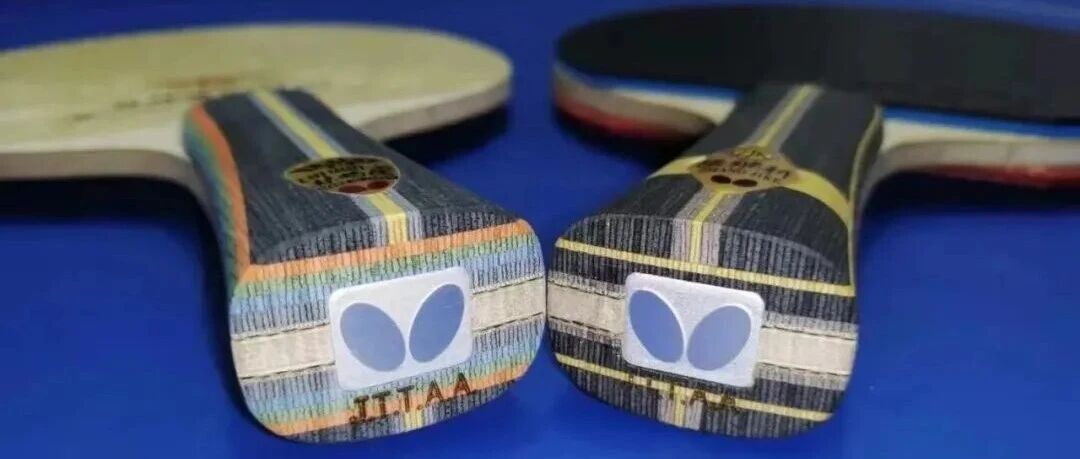
I traced the equipment changes among the best players in my city over the past five years — including Class A amateur players and semi-professionals. Their current setups are in today’s companion piece.
Here are the five most significant shifts:
1. The keyword: D09c.
If you push the timeline back further, they originally just wanted to replace Hurricane 3 on the forehand. But at the time, tacky rubbers weren’t doing anything special. So they turned to tensor rubbers. For a while, five players had Tibhar 1Q on the forehand; several others used Bluefire M1. Then Butterfly’s D05 came out and many switched. These rubbers all basically satisfied the need for grip.
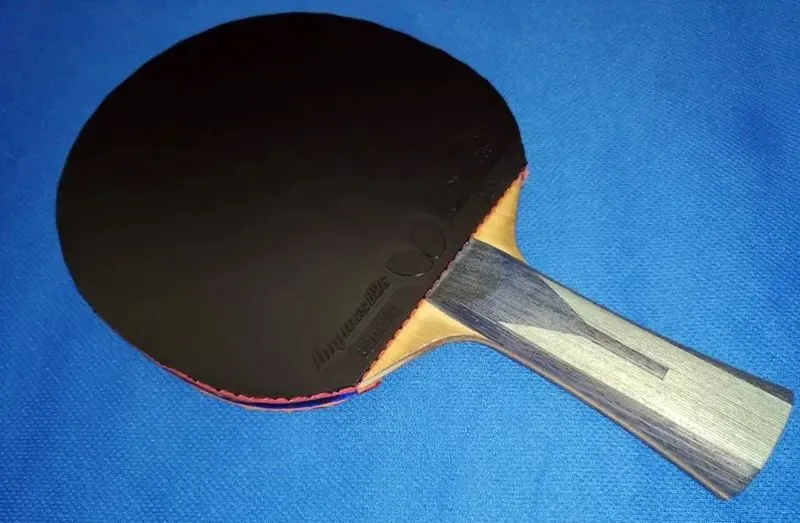
Later, more started choosing the semi-tacky D09c. Over the past five years, at least 11 Class A local amateur players — including semi-professionals — switched their forehand to D09c.
A few also tried Dynasty ZGX and K2 Pro. They said those had more power.
2. The keyword: super fiber.
Meaning SZLC or SALC.
Over the past five years, five players switched from Taksim or Viscaria to the Super Zhang Jike.
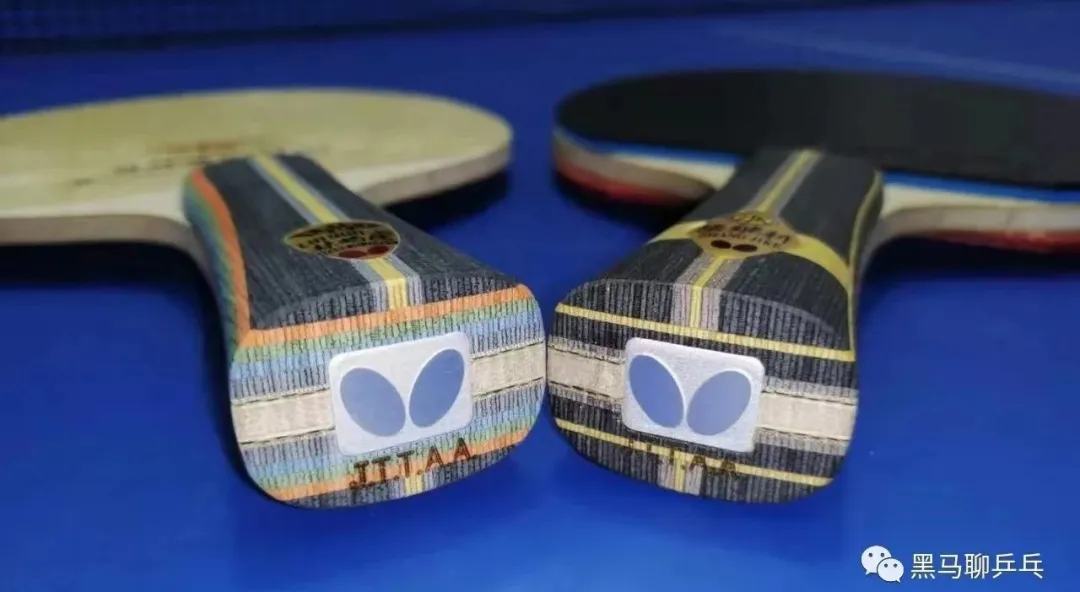
Two inner carbon blade users moved to Super Lin Yun-Ju.
Two players who weren’t using Butterfly blades switched to Fan Zhendong SZLC.
Three players embraced the Harimoto SZLC.
Two shakehand players who had been on the Viscaria moved to SALC — either Super Viscaria or Fan Zhendong SALC.
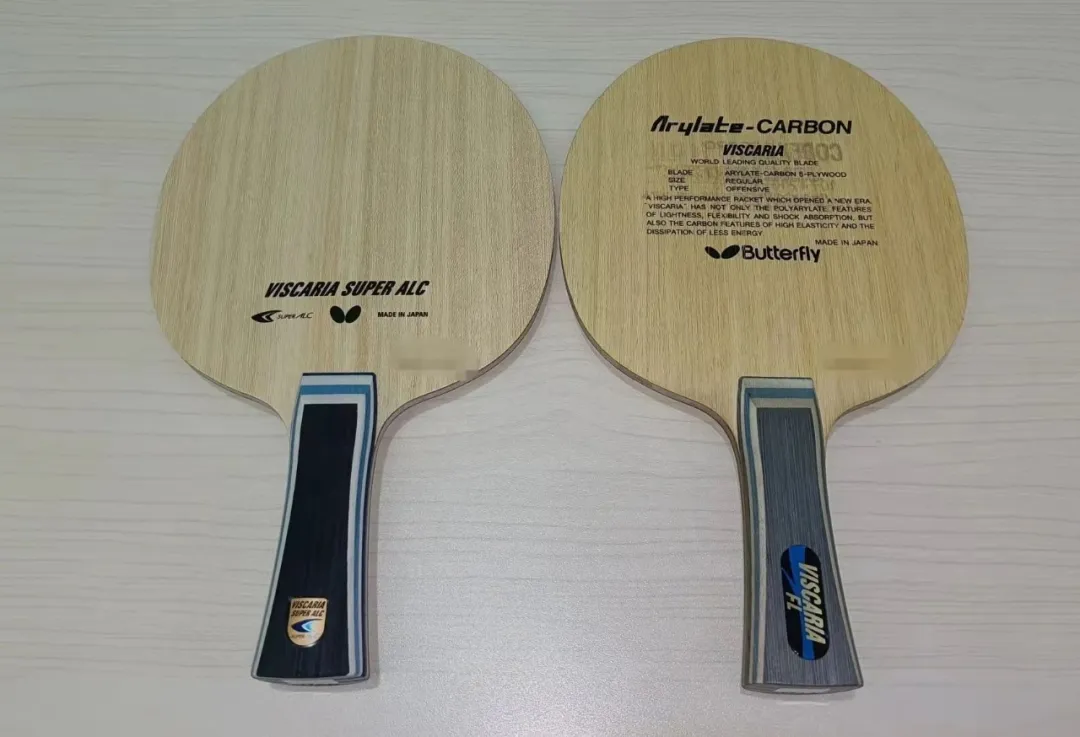
After switching to super fiber, some reported more speed (useful for push-blocking), others felt more power and more ability to end points. Those who chose SALC over SZLC noted that SZLC was just too stiff — couldn’t hold control. Of the three Harimoto SZLC users, all have notably strong backhand drives.
3. The keyword: tacky rubber on the backhand.
Five players switched their backhand from a tensor rubber to a softer 37-degree Hurricane 3, and several of them said the gap between standard 37-degree and provincial-team versions was sometimes hard to feel in play.
Another five switched their backhand from tensor to Butterfly’s D09c. Interestingly, those five already had relatively strong backhand defense to begin with.
4. The keyword: 968.
Over five years, at least six players switched their blade to the W968 — shakehand and penhold combined. Four of them had been on inner carbon blades. Some said their backhand rallying also became more consistent.
Maybe six players doesn’t sound like a lot. But look at the younger crowd, the near-Class-A players coming up — many of them are already on special edition 968 blades. The wave is still building.
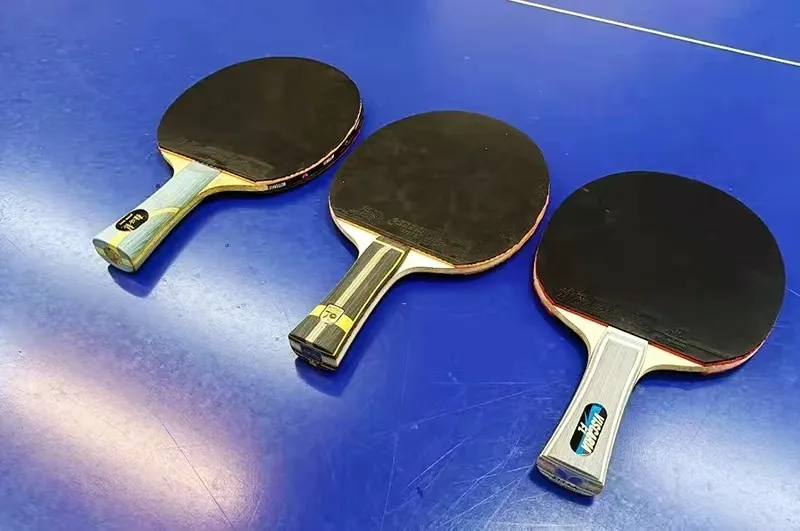
5. The keyword: harder.
Going harder isn’t just about the blade switch to SZLC and SALC — thicker, stiffer fiber. It also means rubber hardness has gone up. Many who used softer European rubbers on the backhand have moved to firmer options: T05, T80, Glayzer, D05, or semi-tacky D09c.
On the forehand side, more players are also trying harder rubbers. NEO Hurricane in 41-degree versions is gaining traction. One reason: harder rubbers, after boosting, still retain a firm, solid feel.
Hopefully these trends among advanced amateurs offer some useful reference. Increased springiness, increased hardness, increased speed — these forces don’t only shape professional play. In the amateur world, the effect is quiet but constant.