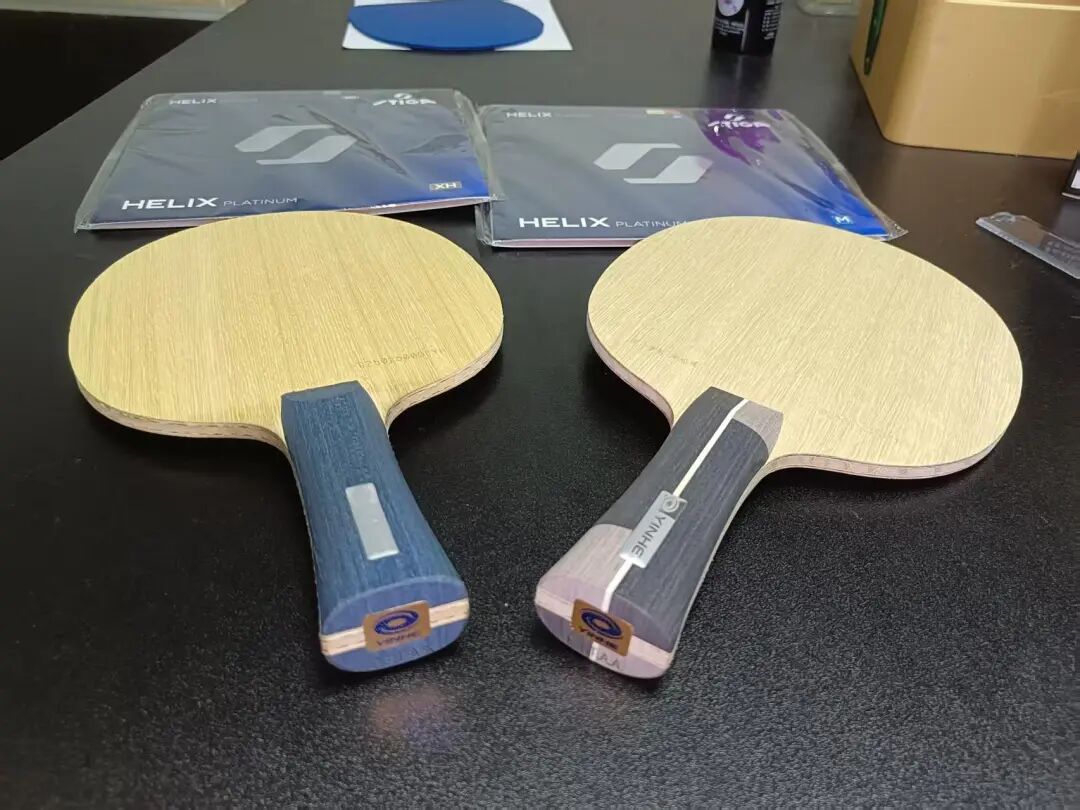
Do You Need a Backup Blade? Interesting Facts About Primary and Backup Paddles (Part 1)
The Japanese magazine Zhuqiu Wanguo (Table Tennis Kingdom) recently ran a feature on backup blades. I’ll combine their piece with my own thoughts and experience.
Is a Backup Blade Necessary?
Under the rules, if a blade breaks or a rubber visibly cracks during a match, you can no longer use that paddle. So for professional players, having a backup blade is simply common sense — it’s mandatory.
A lot has happened in just the past few years. The most famous incident was at the Paris Olympics, when Wang Chuqin’s primary blade was stepped on and broken by a photographer after the mixed doubles final. Even though after his men’s singles loss to Moregard he said the broken blade hadn’t affected him much, the truth is everyone ultimately judges impact by result.
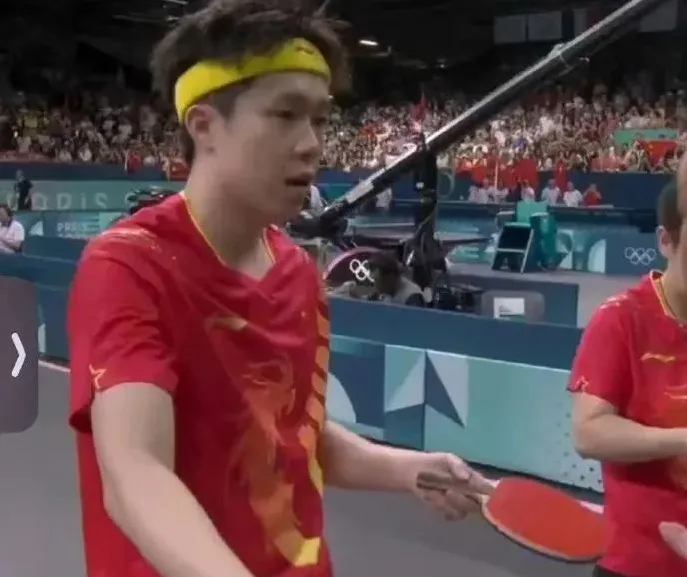
At the 2024 Singapore Grand Smash in March, Wang Chuqin vs. Liang Jingkun — mid-third game — Wang noticed his backhand rubber had a broken pip. He requested a blade change, then came back to win 4-1 with his backup.
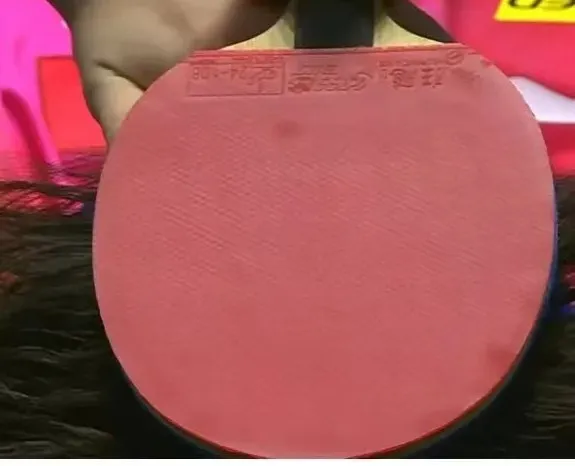
So in the end, how much a primary/backup switch hurts you really depends on how big your mental game is. For professional players in particular, the gap between primary and backup is generally very small. If you think it’s fine, it is fine. If you think it’s a problem, it becomes a real problem.
That said, having a backup is non-negotiable regardless. Even the fifty-something women showing up for National Games recreational divisions or veteran cups come prepared with a spare.
Of course, some amateur players bring a backup for subtler reasons. A long pimple player, for instance, might use different long pimple models on the primary and backup — if the primary fails inspection, out comes the backup…
For casual amateurs who rarely compete, or in informal settings with no equipment restrictions, most people don’t bother. I personally always carry an extra, either for testing and reviewing purposes, for fun, or to guard against damage if my main blade gets borrowed.
The Key to Preparing a Good Backup
Under normal circumstances, a professional player’s primary and backup will use the same blade model and the same rubber model. And the standard practice is to match them closely by weight — both the bare blade weight and the total assembled paddle weight.
Generally speaking, a heavier blade tends to feel stiffer; a lighter one can feel more transparent and elastic. To maintain as consistent a feel as possible, players keep their primary and backup weights nearly identical. I once handled two special-order blades that belonged to a national team member — both weighed exactly 88.2g, and even the thickness was the same. Another national player’s collection of gold-label Viscaria units all landed around 95g.
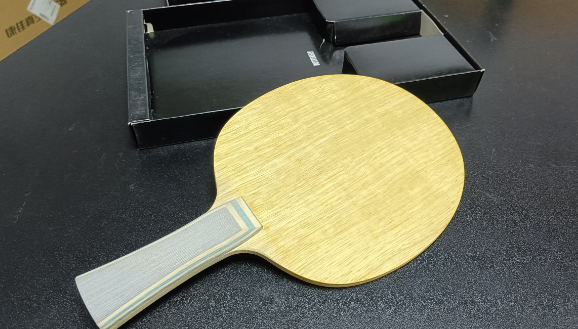
Total paddle weight matters too. Just matching the rubber model isn’t enough — two sheets of the same rubber can easily vary by six or seven grams. Weight affects ball quality and it affects balance point. We’re always paying attention to where a blade’s balance point is, but we rarely think about how the rubber weight shifts the overall balance of the assembled paddle.
Every blade and every sheet of rubber is a unique living thing. Matching weight is at least an effort to get performance characteristics as close as possible. When there’s a significant weight difference, the feel and performance gap widens further.
From this angle, Kasumi Ishikawa’s obsession with selecting blades from the same production batch makes some sense. If you love how a particular batch code of Viscaria feels, you might try to source your backup from that same code. If you’re truly in love with your current primary, having a closely matched backup is just good insurance.
That said, some players do their own quirky thing. Koki Niwa, for example, might carry two entirely different blades at the same time — one the Koki Niwa ZC and one the Koki Niwa all-wood — and decide on the day based on his form and the court conditions.
For amateur players, we can be more open and adventurous, especially if we’re not competing much. I personally might carry one inner carbon and one outer carbon at the same time.