Silver and Bronze at Home: What the WTT Chongqing Finals Say About Equipment and Tactics
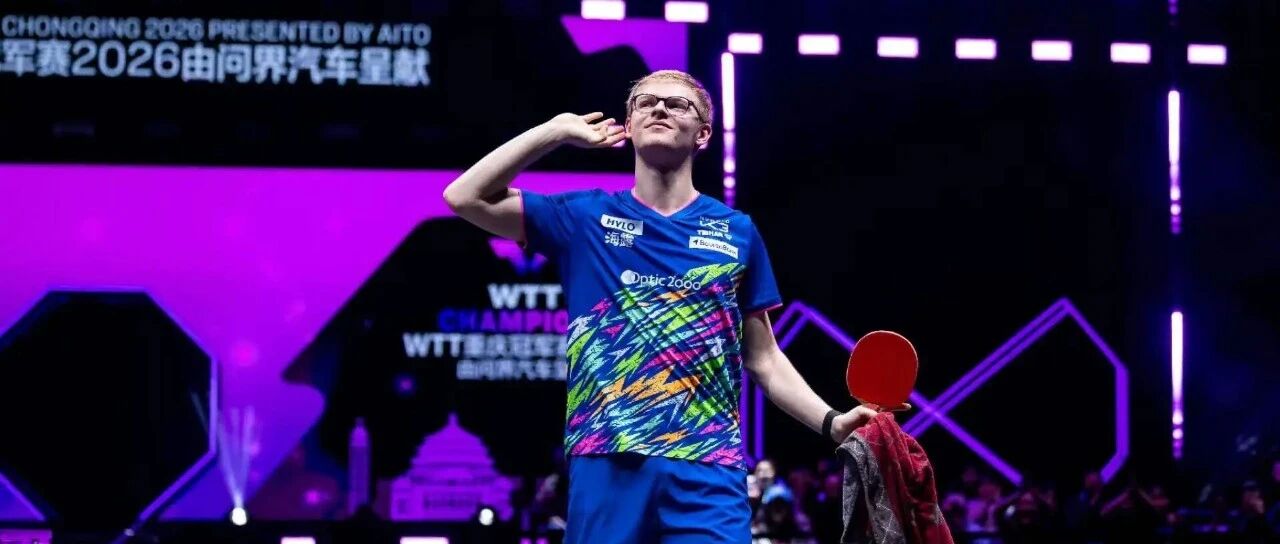
At the WTT Chongqing Champions, the women’s singles final ended with Kuai Man losing 3–4 to Hina Hayata, and the men’s singles final saw Wen Ruibo fall 1–4 to Felix LeBrun. China swept both silver medals on home soil — and honestly, there’s a lot to unpack here, from equipment to tactics.
1. Wen Ruibo and Felix LeBrun’s performances
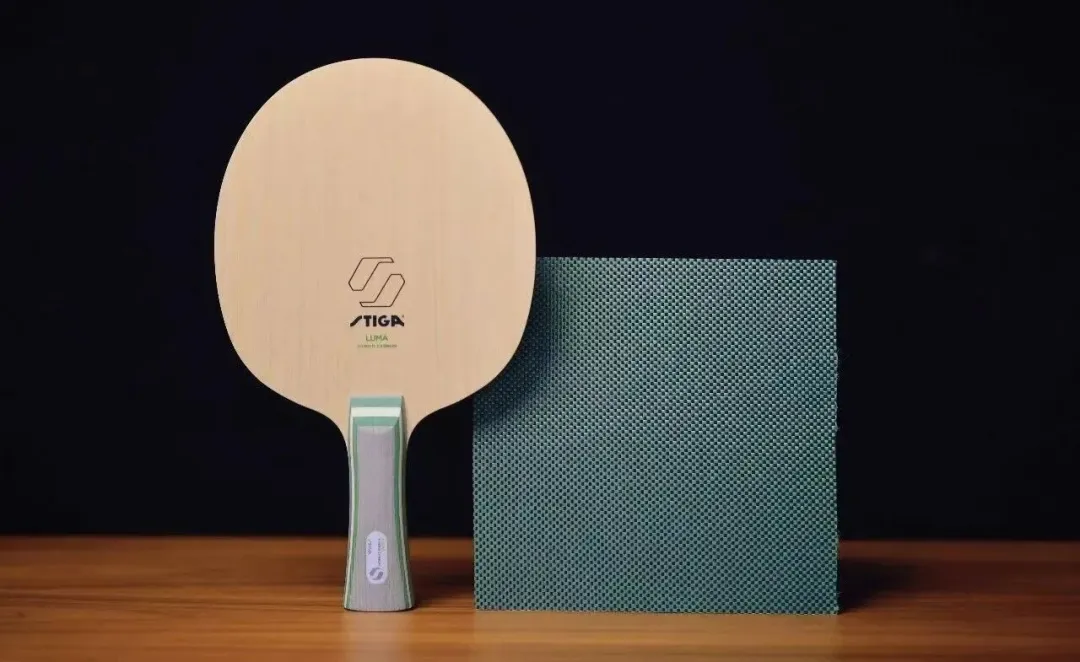
Wen Ruibo: Stiga Luma mixed carbon, NEO National Hurricane 3 (blue sponge), DNA Hybrid M 55°
Harimoto Tomokazu: Harimoto Tomokazu SALC, both sides Z03
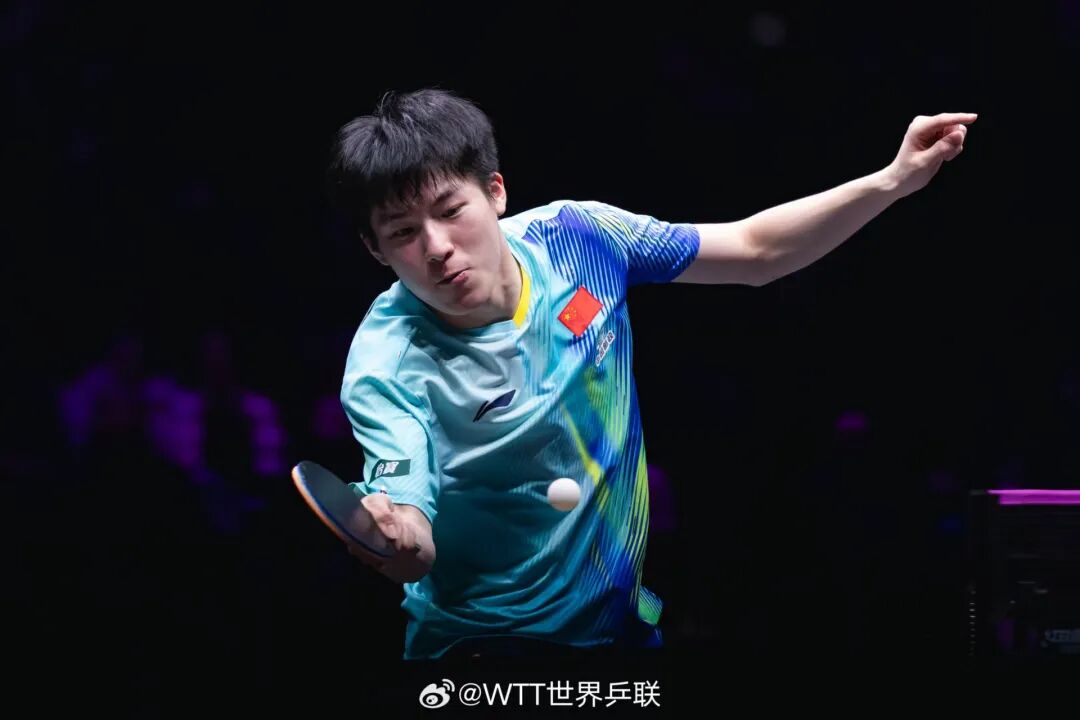
In the men’s semifinals, Wen Ruibo beat Harimoto Tomokazu 4–2, with the sixth game going 21–19. Watching that match, the word that came to mind for Wen Ruibo was: unflappable. That quality reminds me of Wang Liqin in his prime.
Overall, even under pressure, he kept a clear head. He knew to attack from Harimoto’s forehand short ball, pushing through Harimoto’s forehand and middle body positions. Over the past year I’ve sensed Harimoto developing some flip attacks, but in this match he didn’t show much of it — for now, the short forehand remains a weakness. Hugo Calderano has the same vulnerability.
In the sixth game, Harimoto started trying to flip long actively to change the dynamic and cover his forehand short. But his forehand depth wasn’t there yet, and he lost that game 19–21.
Felix LeBrun: Tibhar Felix, both sides K3 Pro (custom harder sponge)
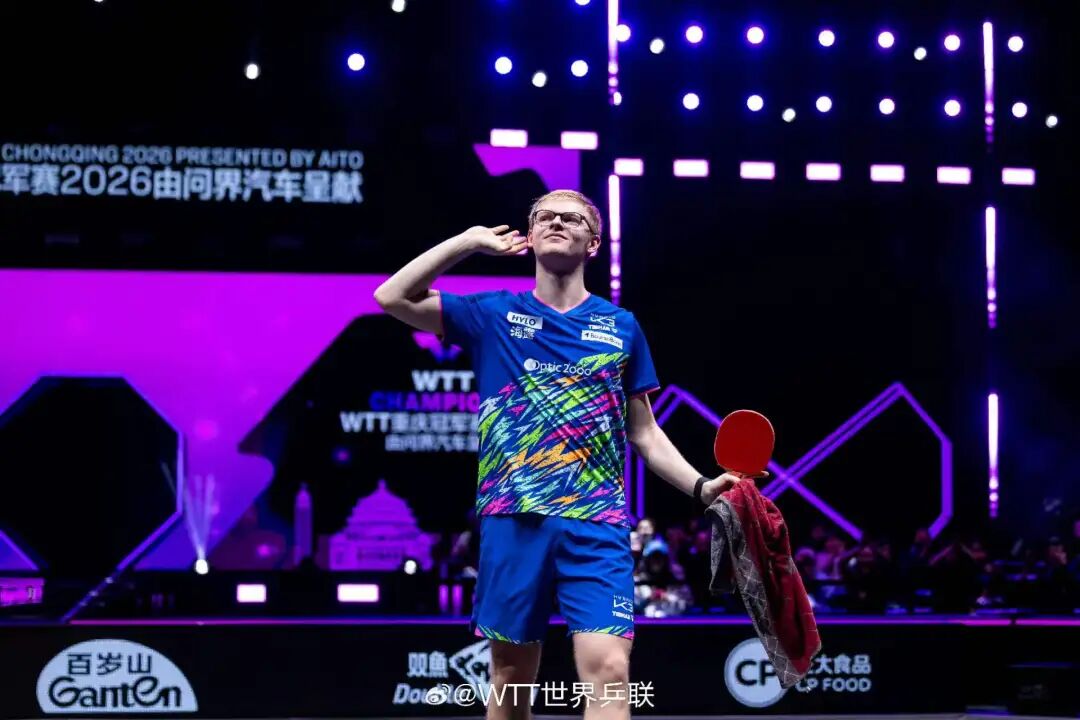
Thinking about it now — these two are going to be crossing swords for the next decade. I believe Wen Ruibo will do better next time; this was, after all, his first Champions final, and the experience gap showed. And against someone with Felix’s pace — his serve tempo is fast, his variation is fast — a first meeting is genuinely tough.
But there’s another thing. While I said Wen Ruibo has an unflappable quality, the final demands something beyond that: a killer instinct. Staying composed is not enough in a final — you need to be ruthless. The archetype examples are Zhang Jike, Ma Lin, and Ryu Seungmin.
Speaking of that killer instinct — when I was on my university team, we had plenty of humiliating drills, the kind designed to toughen you up mentally. I wonder whether China’s national team today has that same psychological edge. Is there a sense of urgency? A fear of complacency? Or has it gotten too comfortable?
Regardless of Felix’s technical depth, his tenacity and ruthlessness are absolutely world-class. In the men’s quarterfinals he came back from 1–3 down against Hugo. In the semifinals he came back from 1–3 down against Matsushima Teruki. That fighting spirit is terrifying. He always believes he can win.
On this men’s singles final, a former national team player I know on WeChat shared his take (I’m paraphrasing):
Without early attack in the first three balls, all the defense in the world won’t save you — you’ll always be at a disadvantage. Wen Ruibo made it to the national team; it’s not like he doesn’t know how to attack early. So why didn’t he? Because his opponent had already mentally broken him. When Felix comes out swinging from the start, you default to defense, and you just keep defending.
He didn’t break through, and he didn’t think it through. When you’re behind, you have to take risks. When you’re under pressure, you have to go for it. Even if you attack two or three times in a game and miss, you might shatter your opponent’s mental composure. Attacking isn’t reckless — you just need to pick the right moment.
By the time the fifth game started, I already knew it was over. There were really only two outcomes: go on the attack and give yourself a chance — the odds are still bad, but there’s a sliver of hope — or keep defending like before, in which case the odds of losing are 80 percent.
Looking at the whole match, Felix was clearly more proactive in early attack in the first three balls. Wen Ruibo was reactive throughout, waiting to counter, and that made everything much harder.
2. Kuai Man loses 3–4 to Hina Hayata
Kuai Man: Viscaria (gold badge), NEO National Hurricane 3 (blue sponge), D09c
Hina Hayata: Harimoto Tomokazu SALC, forehand D09c, backhand D05
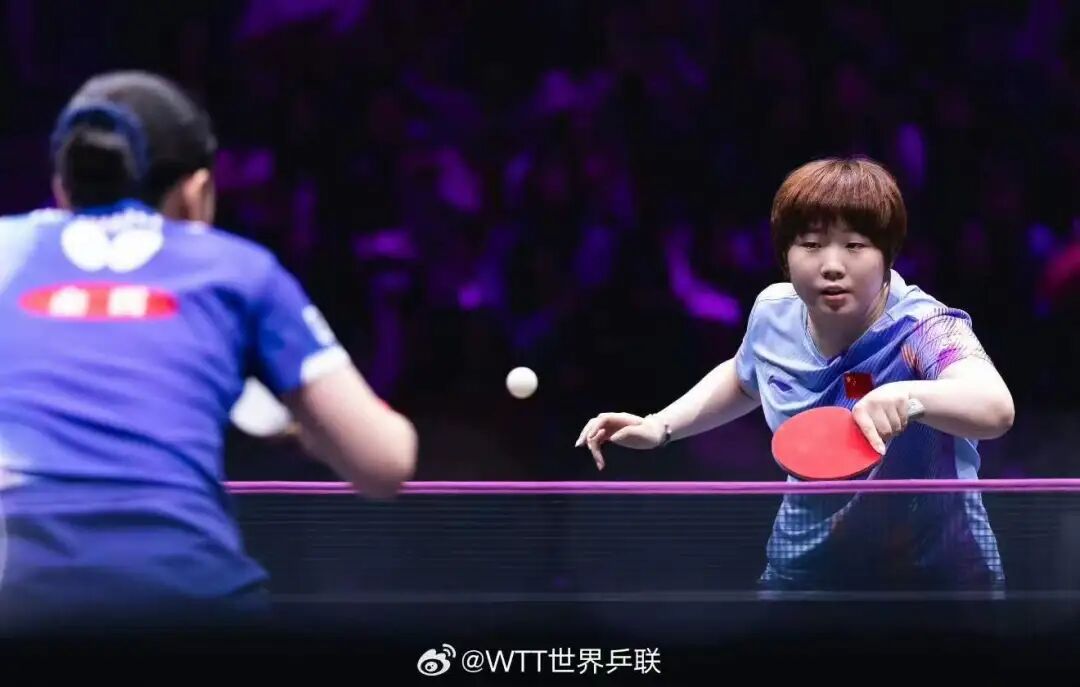
Looking at this Chongqing Champions overall, and this women’s final in particular, one impression stands out: the top non-Chinese players are attacking more aggressively than the Chinese players. Our players are too focused on measured, methodical shot-making and tactical variation — and ironically end up losing the early attack initiative to their opponents.
There’s a lot more to say about equipment and technique here. I’ll organize my thoughts and continue in the next post.