DHS Hurricane Wang Chuqin Blade Review: Easy-to-Hit Lightweight Sniper
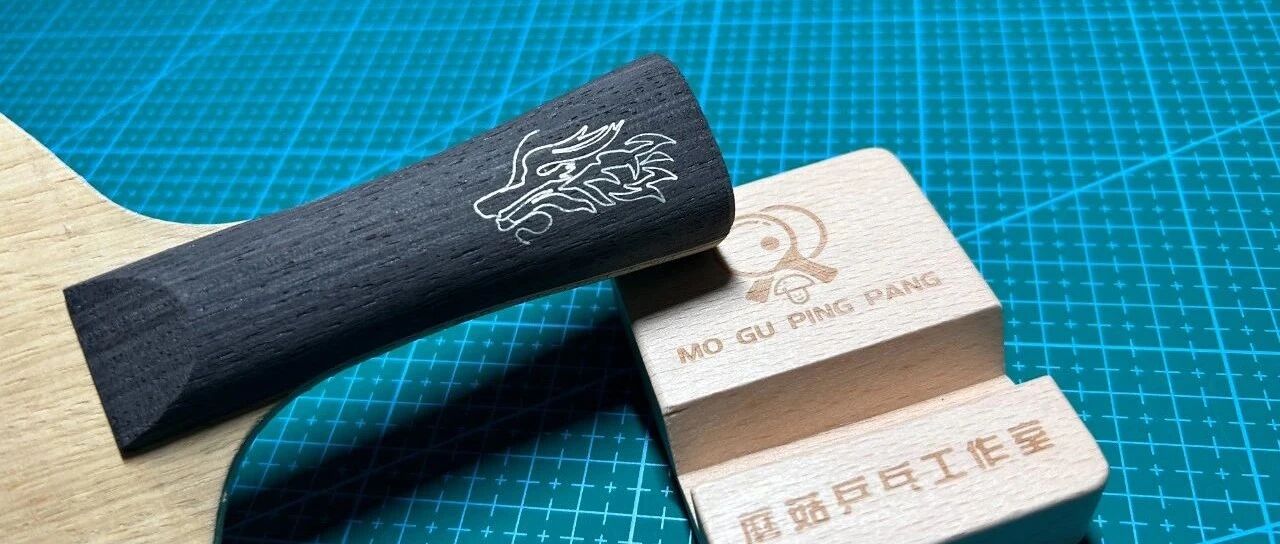
This issue covers the DHS Hurricane Wang Chuqin blade — the easy-to-hit lightweight sniper.
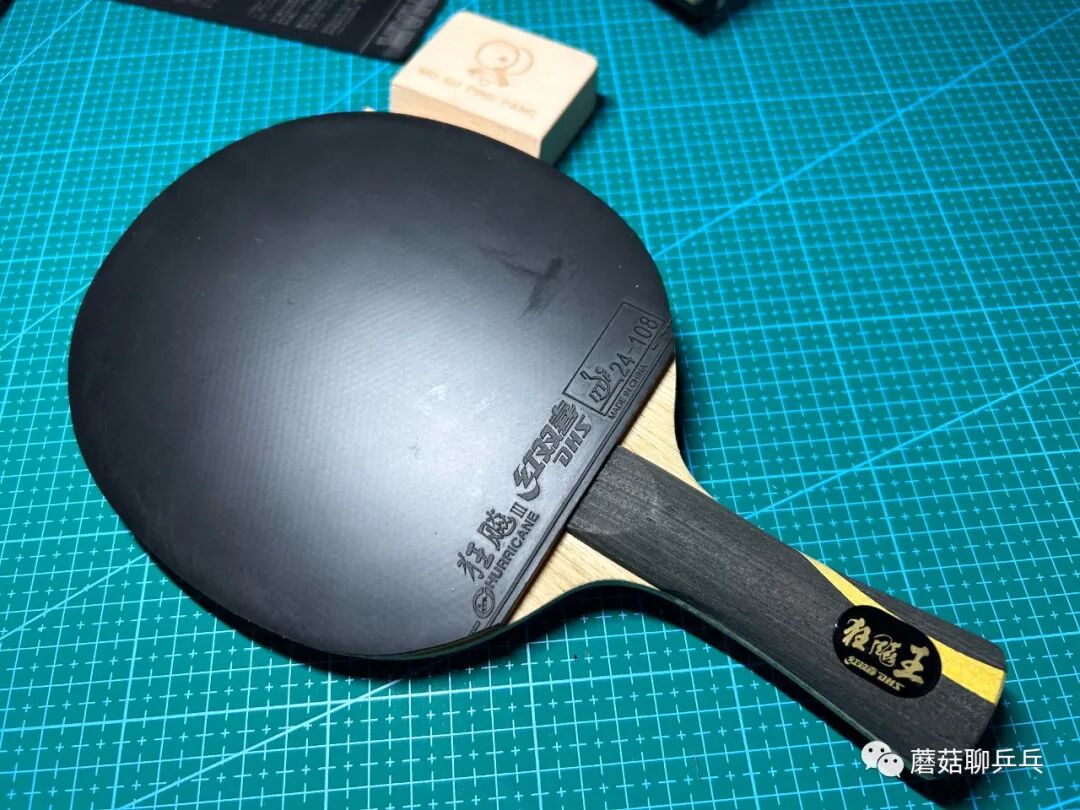
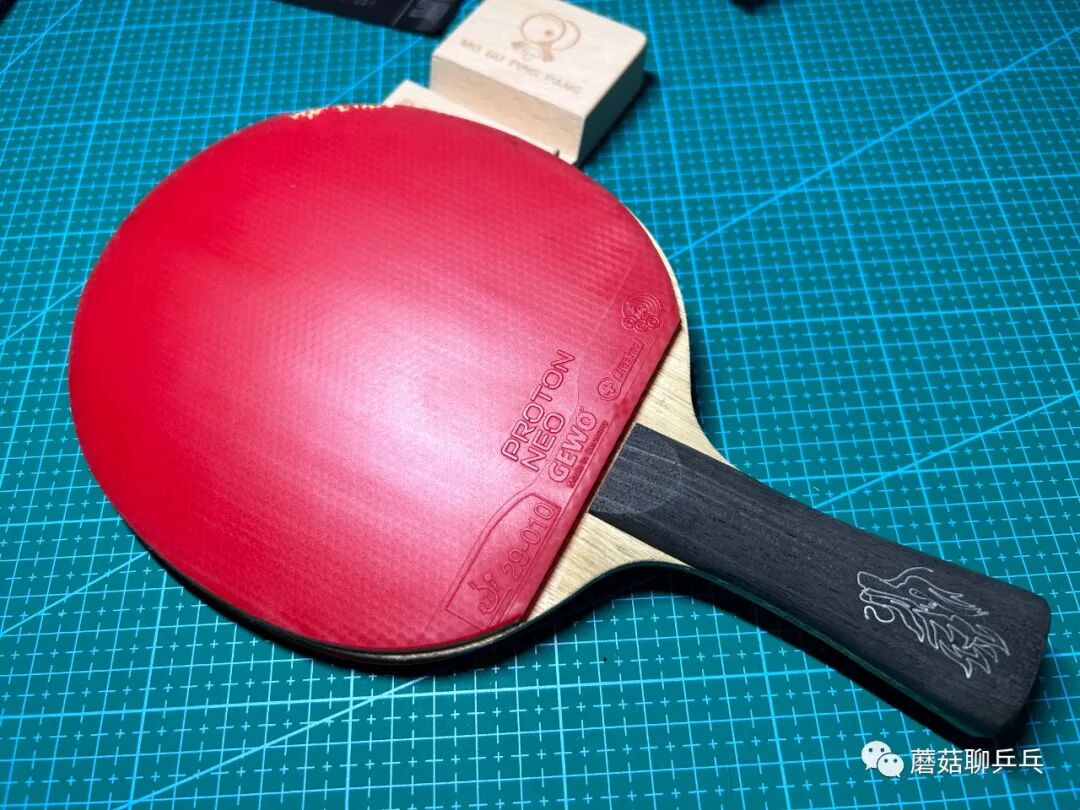
Test setup: forehand Neo Hurricane 39 degrees 2.1 mm, backhand GEWO Proton NEO 450
Background
-
While DHS’s design tends to be average and quality control leaves something to be desired, you have to admit their eye for talent is solid. The two young stars’ blades dropped at the same time — the Hurricane Wang (Wang Chuqin) and Hurricane Sa (Sun Yingsha) — and as expected, they triggered both stock-out waves and price premiums. I couldn’t be bothered chasing them.
-
Since quite a few people asked me about these two blades, and I wasn’t particularly interested, it just so happened a friend “Old Wang” had one on hand. So I borrowed it for testing and wrote this honest assessment of the performance.
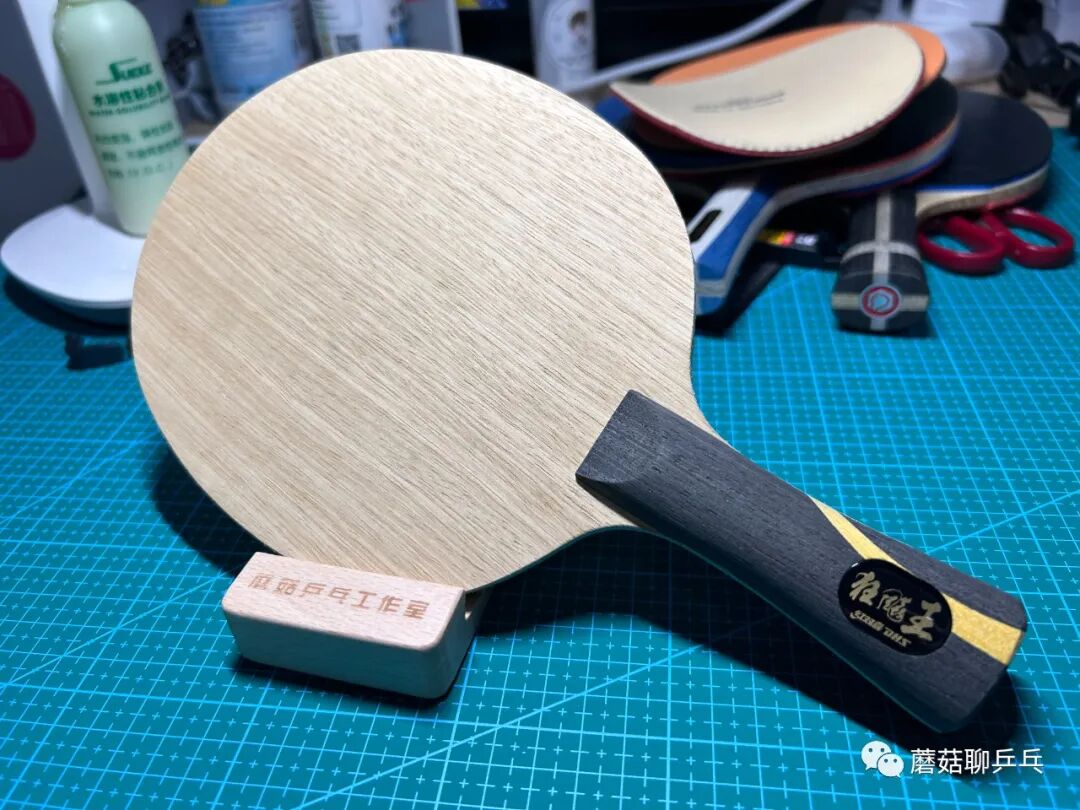
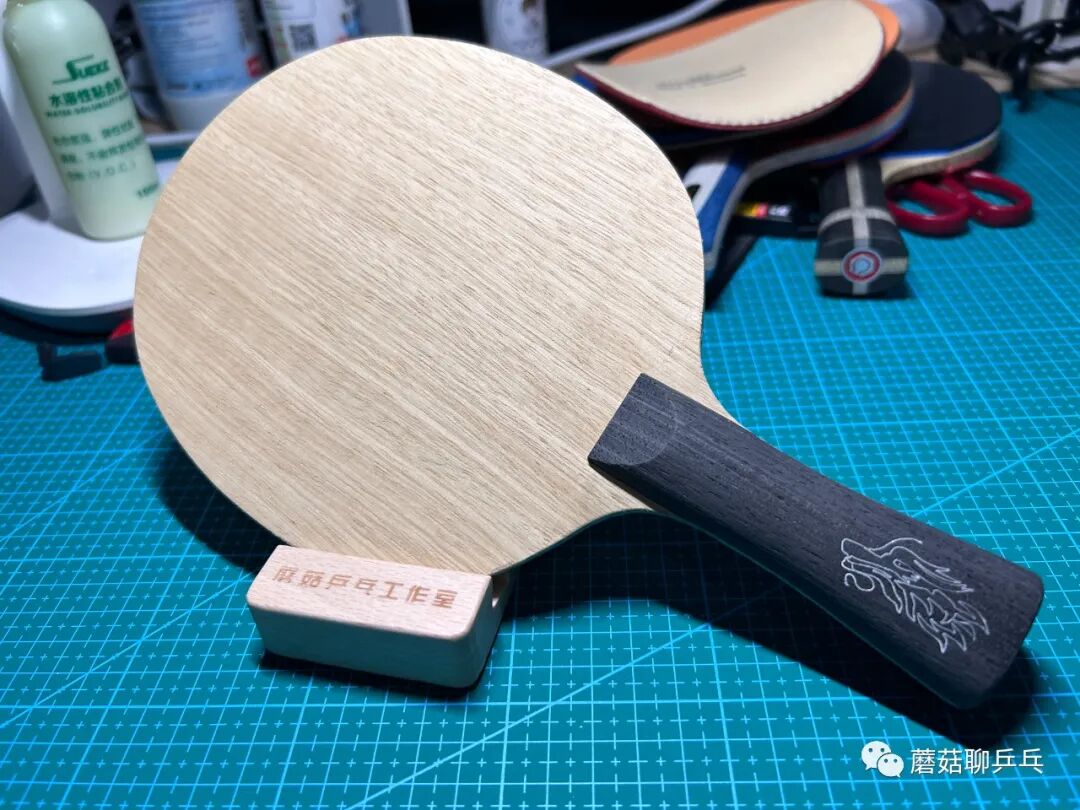
Impressions
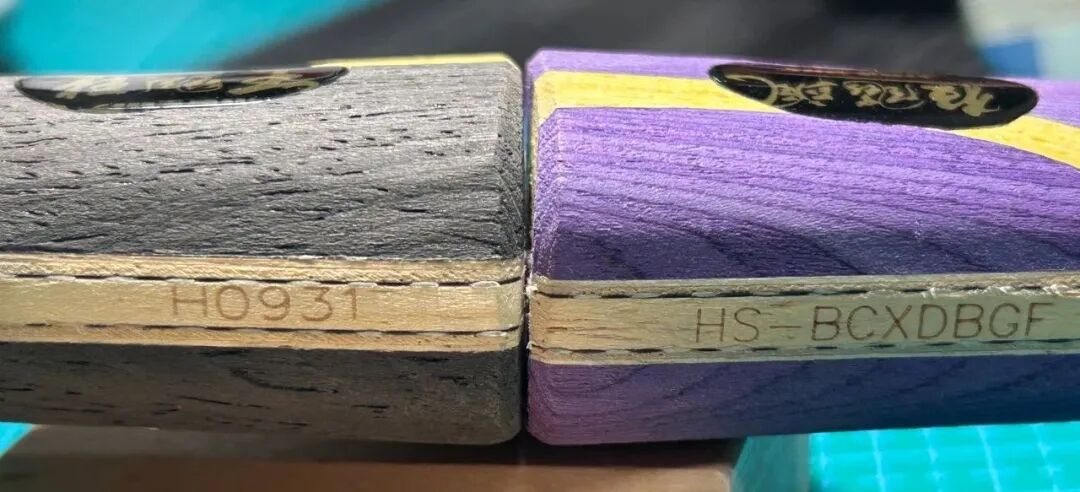
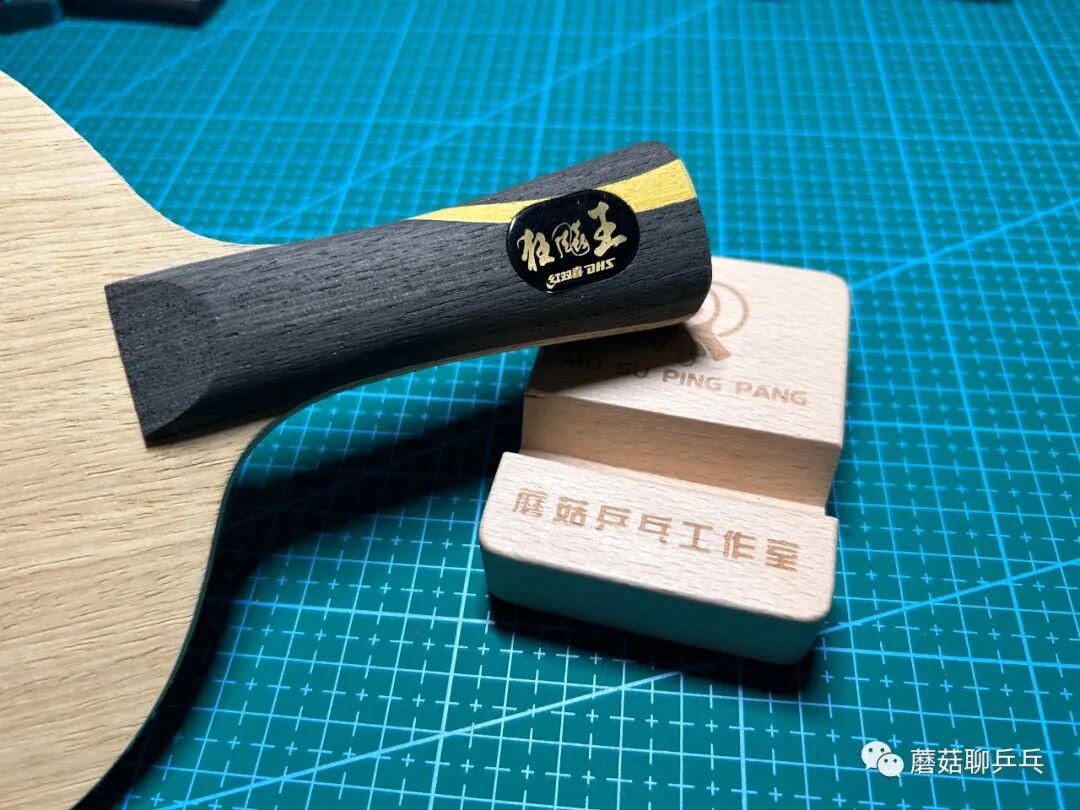
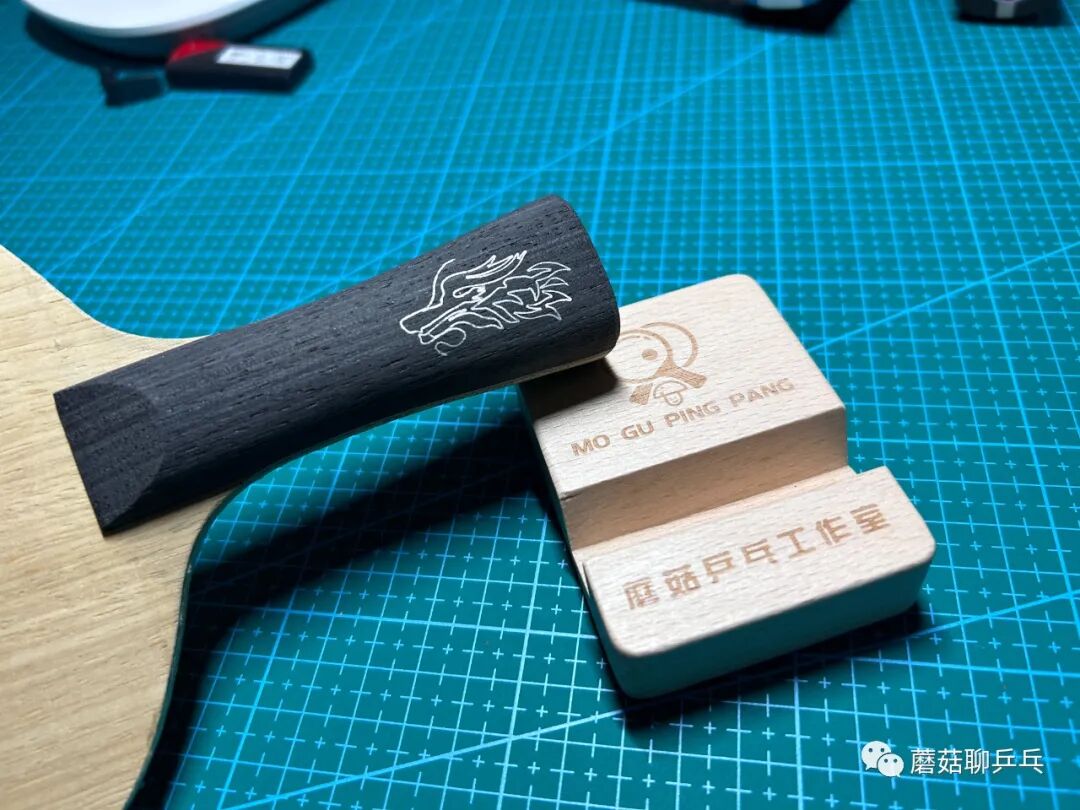
Section I — Sensory Overview: Quality control is still poor — the rubber leaves stringy residue when peeled off, and the edges are rough. Problems that appeared on the Dragon 5 (Long 5) still show up here on the Wang and Sa blades. The colorway is plain but grows on you. The Sa blade’s core appears thicker than the Wang blade’s.
Section II — Brief Notes on the Hurricane Sa: I tested the Sa blade with domestic Pentium rubber + Proton NEO 450. The feel was fairly ordinary — a straightforward blade without standout characteristics. The overall feel was similar to the Wang blade: forehand quick attack and loop, backhand more outer-carbon-oriented, in line with mainstream trends. But it didn’t leave a deep impression on me.
Hurricane Wang Performance — Five Dimensions
Feel: Relatively crisp and springy, reasonably transparent. Comfortable, but if you dig deeper there’s a slight coarseness — not as refined as Butterfly. I’d give it 6.5 to 7 out of 10.
Arc: Fairly flat and low, but the landing depth isn’t as deep as the Hurricane Dragon’s. No arc-amplification effect, though it frequently produces that “fast arc” feeling.
Spin: Medium-to-good — also around 6.5 to 7.5. Although the Wang blade leans outer-carbon in style, it is fundamentally an inner carbon blade. The outer wood layers provide some spin and control. Pairing it with Hurricane rubber is strongly recommended for better synergy.
Power: Medium power, no amplification. When you hit through the blade, there’s a satisfying metallic crack — fast but without heavy impact. Ball quality isn’t particularly high and it’s fairly easy to defend against. Best suited for close-to-mid-table quick attack; power drops off significantly from behind the table. If your ability allows, try 2.15 mm thickness or Hurricane sponge 40 degrees or above to compensate for the power gap.
Speed: Between traditional inner and outer carbon — transparent and fast. Like a lightweight sniper rifle: snap, snap, snap.
Recommendations
-
This is a typical close-to-mid-table quick-attack-and-loop blade. The learning curve and skill threshold are low. Recommended rubber pairing: forehand Hurricane, backhand sticky or European rubber — pips are not suitable.
-
Final verdict: the Hurricane Wang is best suited for players who favor close-to-mid-table quick attack and loop, or for fans and aesthetics-first buyers. Think of it as a lightweight semi-auto sniper in a shooter game — snappy, instant, satisfying.
Note: All Mushroom Field Guide content reflects the author’s personal impressions. Rubbers vary between individual sheets, and performance also differs depending on the blade used.