Butterfly Innerforce Layer ALC Review: All-Wood Feel With a Carbon Kick
Pros
- Inner ALC gives all-wood feel and dwell up close, then a carbon kick and acceleration on hard swings
- Excellent control across the short, mid and far game, with a large, stable sweet spot
- Plenty of dwell and flex to produce heavy spin on loops and serves
- More feel and control than the Viscaria or Timo Boll ALC, with standout value
- Medium-hard inverted rubbers handle both delicate touch and forceful topspin and flat hits
Cons
- Slightly slower than outer-carbon blades like the Viscaria
- The first feel is bouncy and takes some time to master
- Still a premium, OFF blade that rewards a developed stroke
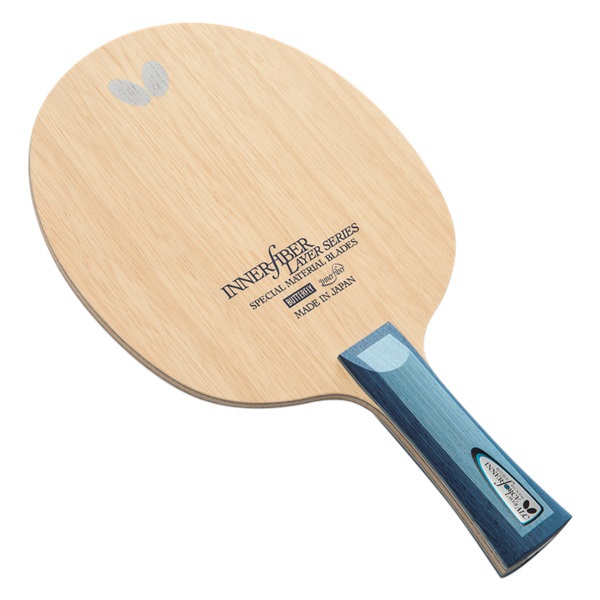
The Innerforce Layer ALC chases one specific thing: the touch and dwell of a limba all-wood blade, plus the stability and sweet spot of arylate-carbon. Butterfly gets there by burying the ALC deep near the core instead of under the surface, and the blade has become a favorite for players who find outer-carbon too stiff or too far removed from the ball.
Performance
Up close it plays like a feelsome all-wood blade. The short game, touch and dwell are excellent, and you place the ball precisely with real feedback under your hand. Push harder and the inner arylate-carbon kicks in, adding acceleration and a clear power boost over pure wood, with a large, stable sweet spot that keeps blocking and hitting consistent. There is flex and dwell to spare for heavy spin on loops, underspin and serves.
Set against outer-carbon blades like the Viscaria or Timo Boll ALC it runs a touch slower but plays noticeably more controllable and feelsome, which is the whole idea, and reviewers rate its performance-to-price ratio the best in the inner-ALC family. The first impression is bouncy, so it takes time to master, and it pairs best with medium-hard rubbers.
What Reviewers Agree (and Disagree) On
Reviewers agree on the blend of feel, control, sweet spot and on-demand power, and many call it the best-value inner-ALC blade. The main points of nuance are that it is slightly slower than outer-ALC blades and that its initial bounciness takes adjustment.
Who Should Buy It
Buy it if you are an allround-to-offensive shakehand player who wants all-wood feel and dwell with carbon stability and an acceleration kick on demand, ideally with medium-hard rubbers. It is less ideal if you want the maximum, most direct speed of an outer-carbon blade.
FAQ
How is the Innerforce ALC different from the Viscaria?
The ALC sits deeper near the core, so it feels more like all wood with more dwell and control, and it is a touch slower than the outer-carbon Viscaria while engaging carbon power on hard swings.
Is it good for control players?
Yes — its all-wood feel and dwell make it very controllable, while the carbon adds stability and power when you commit.
What rubbers pair well with it?
Medium-hard inverted rubbers suit it best, letting you play both delicate touch and forceful topspin and flat shots.