Two Losses We Saw Coming: Wint vs. Wang Yidi and Lin Shidong vs. Felix Lebrun

Two Losses We Saw Coming
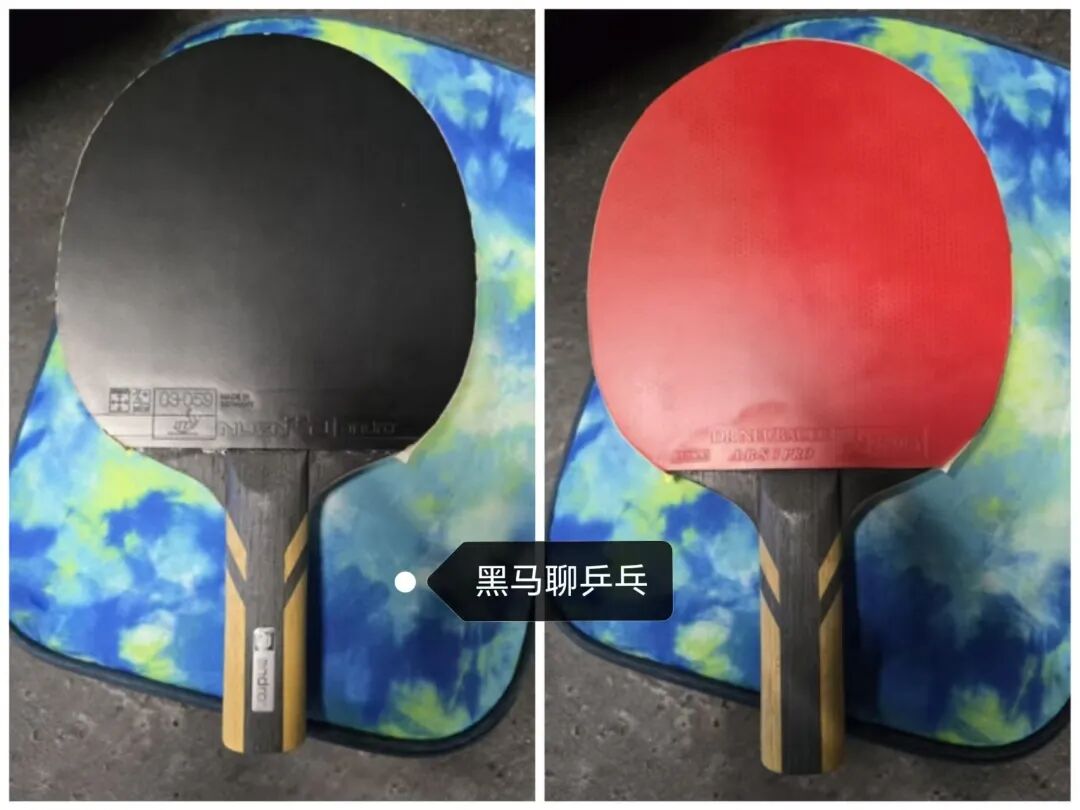
Wint: Xiom Offensive S, NUZN 55, Donic Bluefire ABS 3 Pro Wang Yidi: W968, NEO Blue National Hurricane, K3 Pro
When I wrote this title I felt completely certain about it. But when I went back through my own articles, I had a moment of doubt. Back in November, I wrote about the Montpellier Champions event, where Wang Yidi beat Sofia Wint 4-3. If there was any effective strategy at that point, it could be summed up in one word: conviction. Conviction that you can win. Conviction that you can defend against Wint’s forehand loops. Conviction that your own attacks can punch through.
When you lose that conviction and start hesitating, you revert to your old self — the Wang Yidi we all know, the one who struggles and looks uncomfortable against pimple rubber players.
At the Singapore Grand Smash, women’s singles quarterfinal: Wang Yidi lost 2-4 to Wint. It seems like we’re back to square one. But personal growth is never a straight upward line — it’s a spiral of back-and-forth, push-and-pull.
Sometimes against these seemingly complicated pimple opponents, the key is to simplify. Attack her forehand side more, trust yourself to hold up against her inverted rubber attacks, and trust your own offensive punch-through. Broadly speaking, that’s the idea. We’ve talked tactics endlessly. For some opponents, if you don’t have a bit of all-or-nothing courage, you’ll just keep losing.
On top of that, this year Wint has taken her attack consistency to another level — she won the European Top 16 women’s title at the start of the year and had already beaten Zhu Yuling before this match.
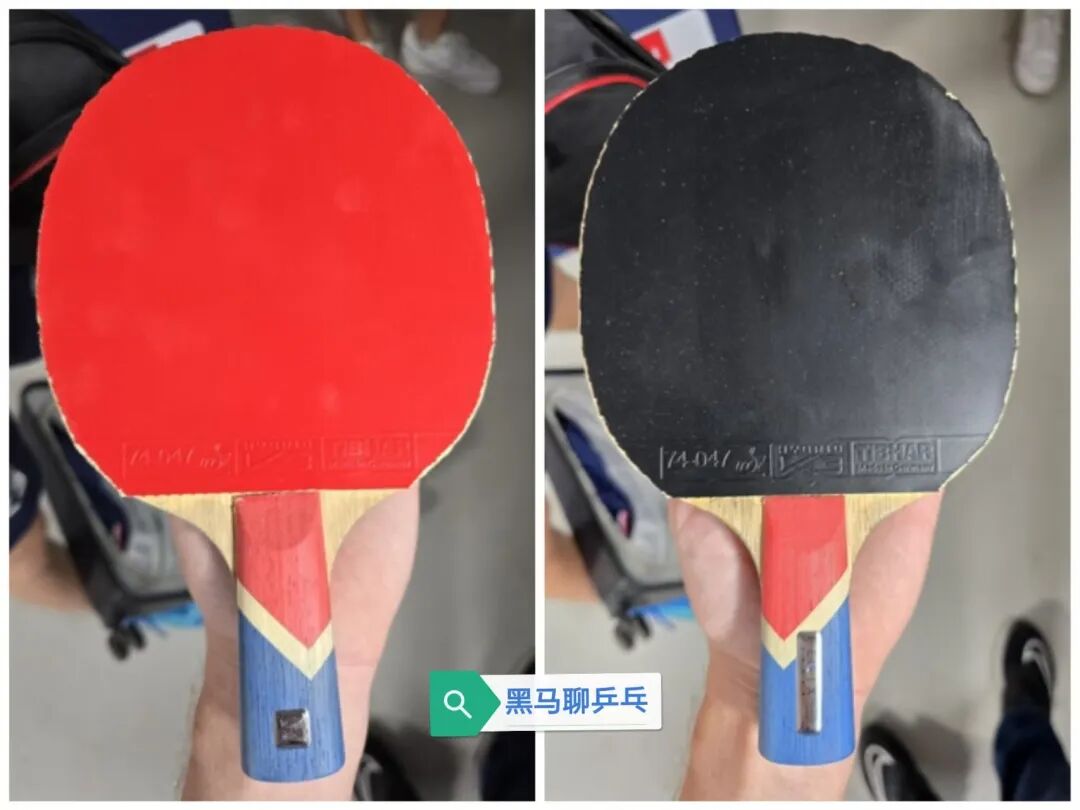
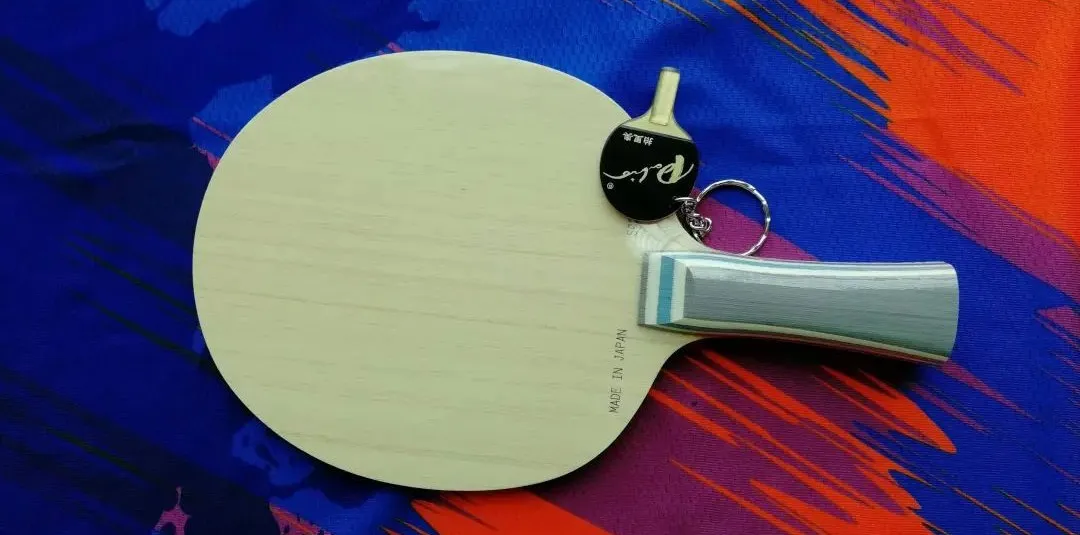
Lin Shidong: Outer ALC special edition, NEO Blue National Hurricane, D09c Felix Lebrun: Tibhar Felix Lebrun blade, K3 Pro special edition on both sides
Men’s Singles Quarterfinal: Lin Shidong 2-4 vs. Felix Lebrun
This is Lin Shidong’s fourth consecutive loss to Felix. Honestly, this match wasn’t badly played. Lin was reasonably decisive — he just couldn’t beat him. Tactically, there were also some issues.
The opening serve of the first game: Lin Shidong served fast-long to Felix’s elbow. From that ball, you could sense his intent to limit Felix’s backhand flip. But Lin kept serving from the wide backhand corner, and by the time the score reached 1-3, he was losing that game. It wasn’t until the fifth game that he switched to serving from the middle position — better for his own backhand attack and for defense.
There are three main reasons he couldn’t win.
First, Felix’s serves are highly varied — with and against the spin, mixed long and short, with a fast enough rhythm. Lin genuinely had trouble reading them on some balls: he’d start to flip and suddenly switch to just pushing instead.
Second, Felix’s forehand is merely adequate, but Lin’s forehand isn’t rock-solid either. During a timeout in the second game, Wang Hao reminded Lin to loop however felt comfortable and to hit more balls — this at least helped him build some confidence. But in straight forehand exchanges, Lin still lacked punch. Sometimes Felix, from mid-to-deep table, could counter-loop Lin’s forehand topspin with his backhand.
Two strong players — the braver one wins. But pure courage alone isn’t enough. Forehand firepower still needs to be developed.
Third, on the backhand side, Felix plays everything on the rise. His thinking is: serve, force a weak flip, then counter. His counter-loop and counter-drive have improved further — high consistency and real threat.
Overall, tactically you could attack Felix’s forehand side more. But in terms of raw ability, Lin simply can’t beat him right now.
That said, when you truly can’t beat someone, either wait for them to make errors, or go all-in and simplify — go for higher-quality attacks and see if luck favors the bold.