How to Speed Up Your Table Tennis Game With Equipment

From footwork to stroke mechanics, “acceleration” is first and foremost a technical problem. Better footwork, sharper anticipation, and more relaxed strokes all contribute to faster play.
But as a gear enthusiast, let’s talk about how to achieve acceleration through equipment.
1 — Start From the Ground: Shoes
You may have noticed that at major events like the Olympics, Liu Shiwen or Chen Meng covered their shoe logos with tape. They prefer certain shoes that conflict with their sponsor’s brand. Chen Meng wears the Asics Attack Hyperbeat 4, which belongs to the fast-start category and offers relatively quick movement response.
The Mizuno Crossmatch Pilo series, one of the best-selling value-for-money table tennis shoes, is also known for its “barefoot feel” and quick response. Choosing the right shoes helps you accelerate more effectively. Generally speaking, players who favor the first three shots and have a lighter build do well with thinner soles that emphasize ground feel. If you’re heavier, have knee issues, or play a powerful deliberate attacking style, shoes with better cushioning and support make more sense. The Asics Attack Crossmatch offers solid value there. High-end models are naturally more effective.
Good shoes improve on-court performance. Faster starts and more stable grip both support consistent stroke mechanics. If your footwork has stalled, a better pair of shoes might make a real difference.
2 — Blade and Rubber Elasticity
The elasticity of a racket is something you can adapt to. Players who switch from an aramid carbon blade to an outer SZLC might initially feel the blade is too lively and hard to control — but that’s adaptable. The same goes for going from a market-version Hurricane Long 5 to a W968; from a market Butterfly to a Butterfly special, whether inner or outer carbon. In each case, you feel the improved elasticity of the blade.
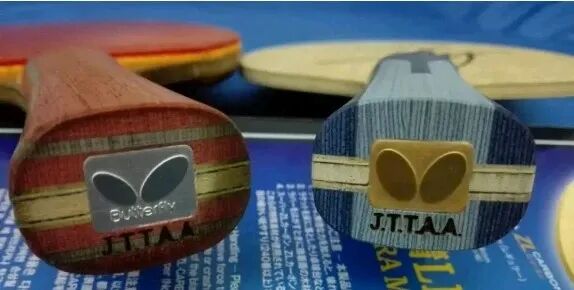
Some blades deliver better rebound speed — borrowing force more efficiently, with better support for defensive play. Others have better flex-and-release tension, triggering on a strong stroke to deliver explosive energy and depth.
You can’t demand from the start that a blade be both lively and easy to control — those often pull in opposite directions. But humans genuinely adapt well. The stronger your technique and the better your strokes, the easier it is to adjust to a livelier blade.
The same applies to rubber elasticity. With enough practice, you can adapt. What usually holds people back is habit. But to accelerate effectively, you have to push through that adjustment — going from ALC to SALC, or from a high-tack domestic rubber to a low-tack import sheet.
Speed is an essential component of lethality. If spin and power aren’t your main strengths, using placement variety and equipment that supports speed is a perfectly valid path to improvement.
Slower speed might mean better control and more honest feedback — but it can also mean not enough punch. And after a blade and rubber have been used for a while, their elasticity will decline to some degree, affecting speed accordingly.
3 — Reducing Racket Weight
For amateur players, lightening the racket is another way to speed things up.
Professional players are a different case — they can compensate with higher training volume. Compared to the plastic ball era, many players today are running racket setups that together exceed 200 grams.
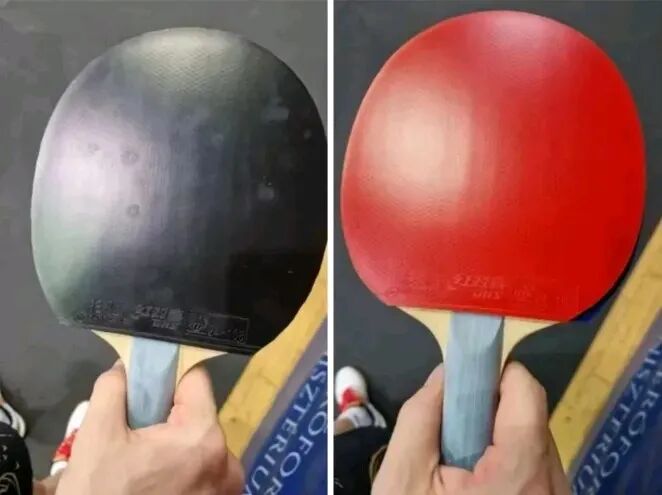
For amateurs, going lighter on both blade and rubber means faster swing speed and less effort in play.
That said, reducing the weight of blade and rubber will, to some extent, reduce ball quality. Each player needs to evaluate this for themselves — is your ball quality mainly driven by spin and power, or is two-sided swing speed the more critical factor for your game?