Loki Liang Jingkun ADC Special R-Code vs. Official W968 Numeric Blade Comparison
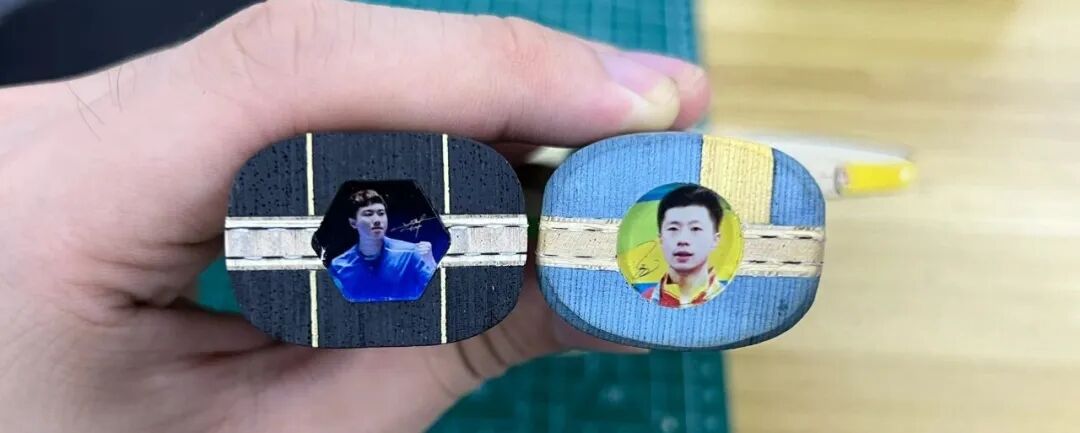
Blades Under Review
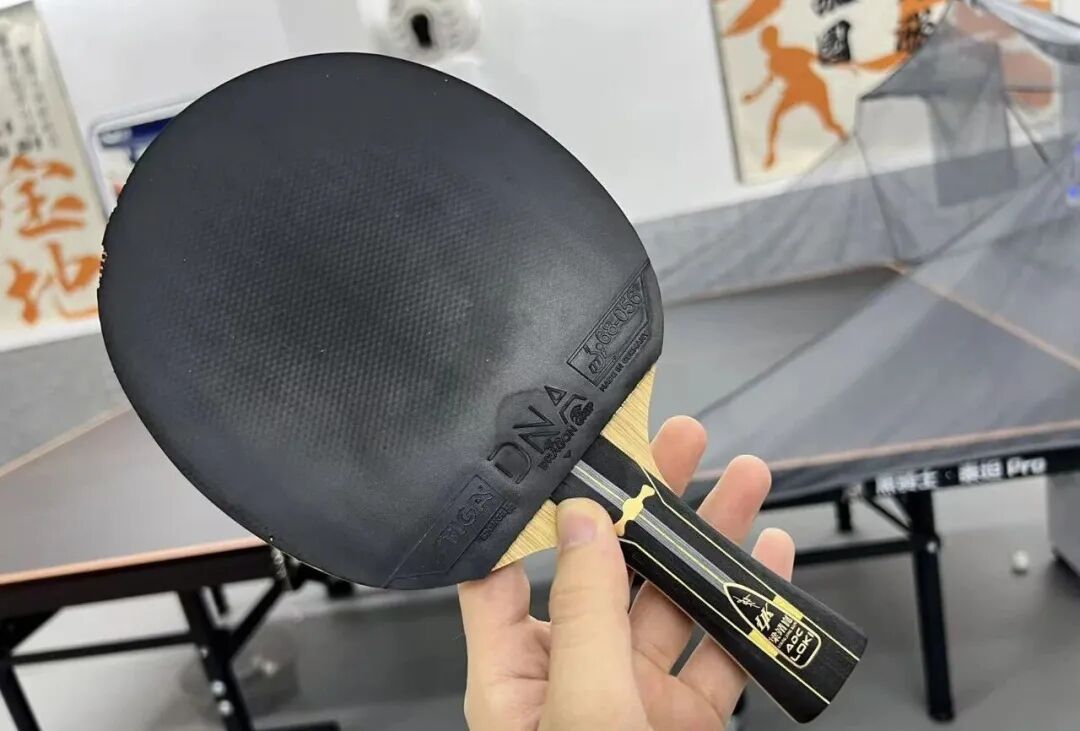
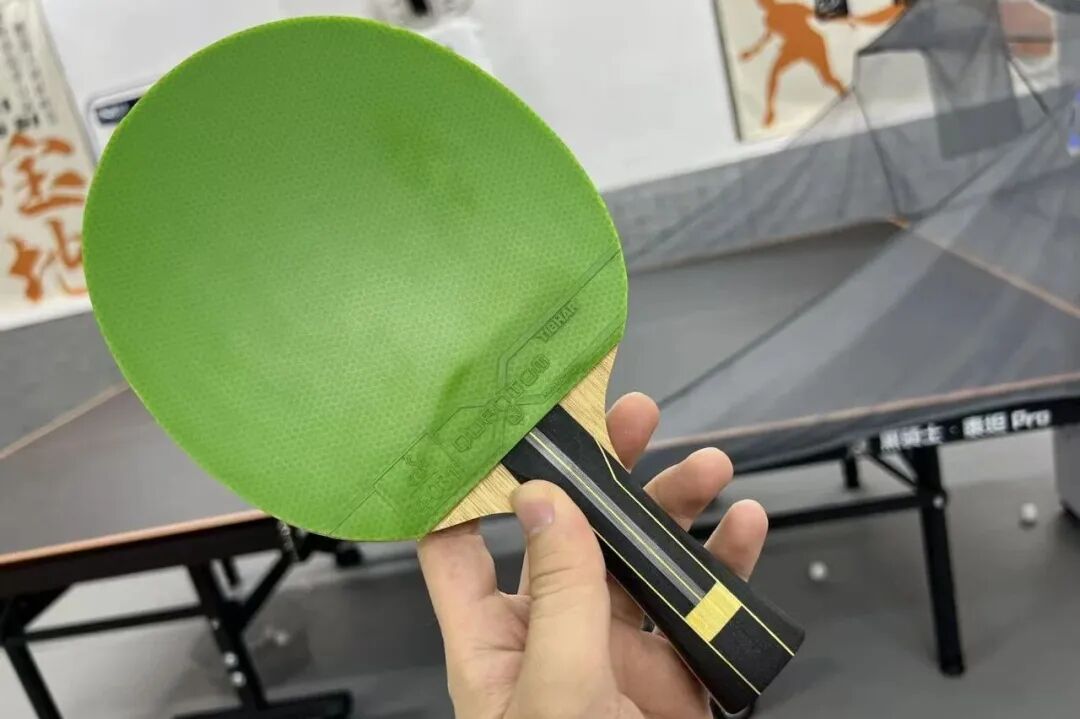
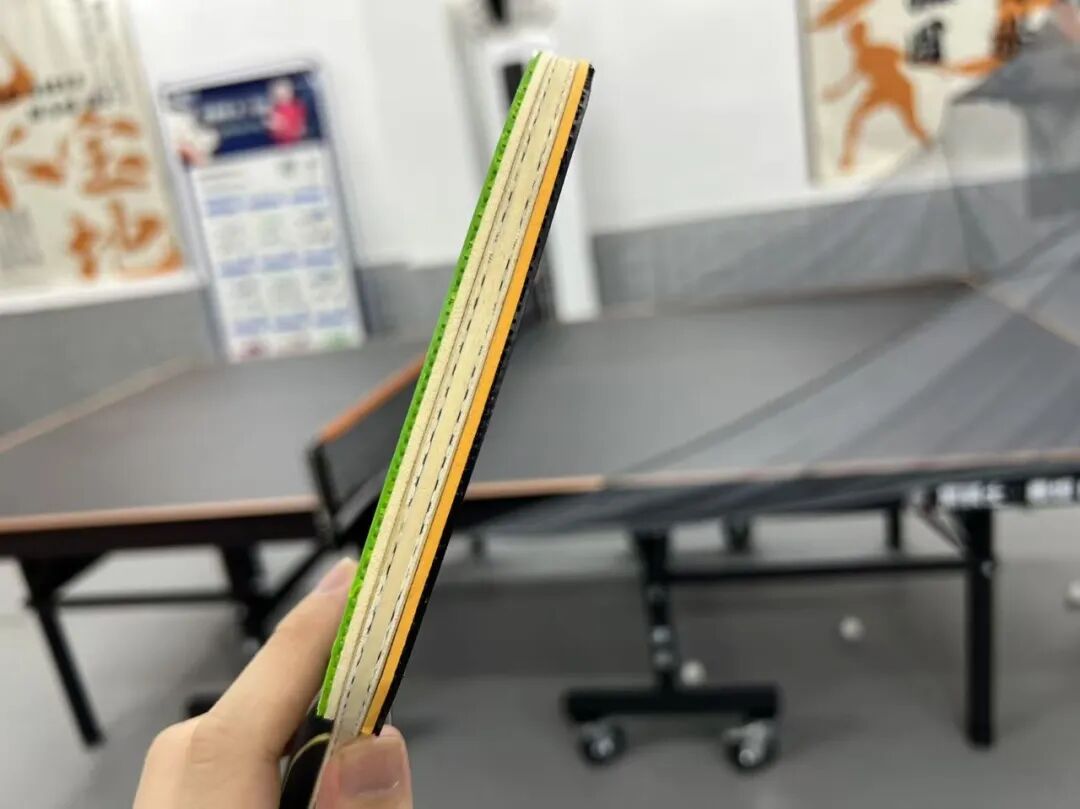
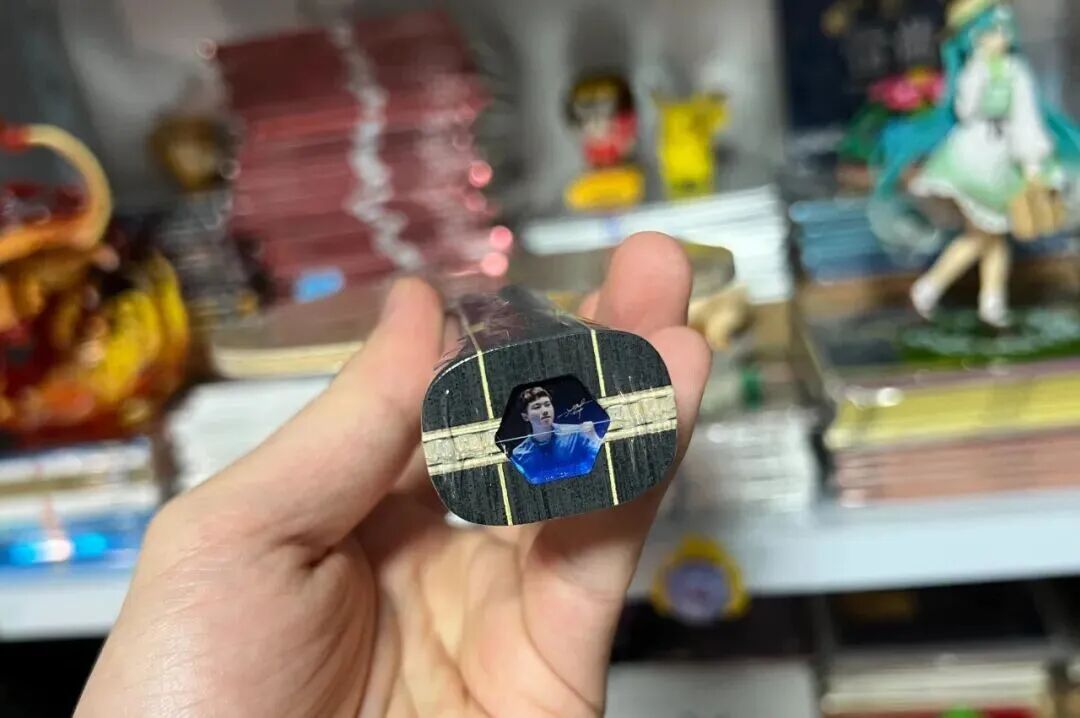
Blades: Liang Jingkun ADC Special R-Code vs. Official W968 Numeric Edition
Scoring note: Scored from a recreational player’s perspective, balancing performance ceiling against ease of use.
My regular setup: Letter Hurricane Sa, DNA Dragon, T05 Hard
First test: W968 Numeric, DNA Dragon, Tibhar Quantum
Second test: Liang Jingkun Special R-Code, DNA Dragon, Tibhar Quantum
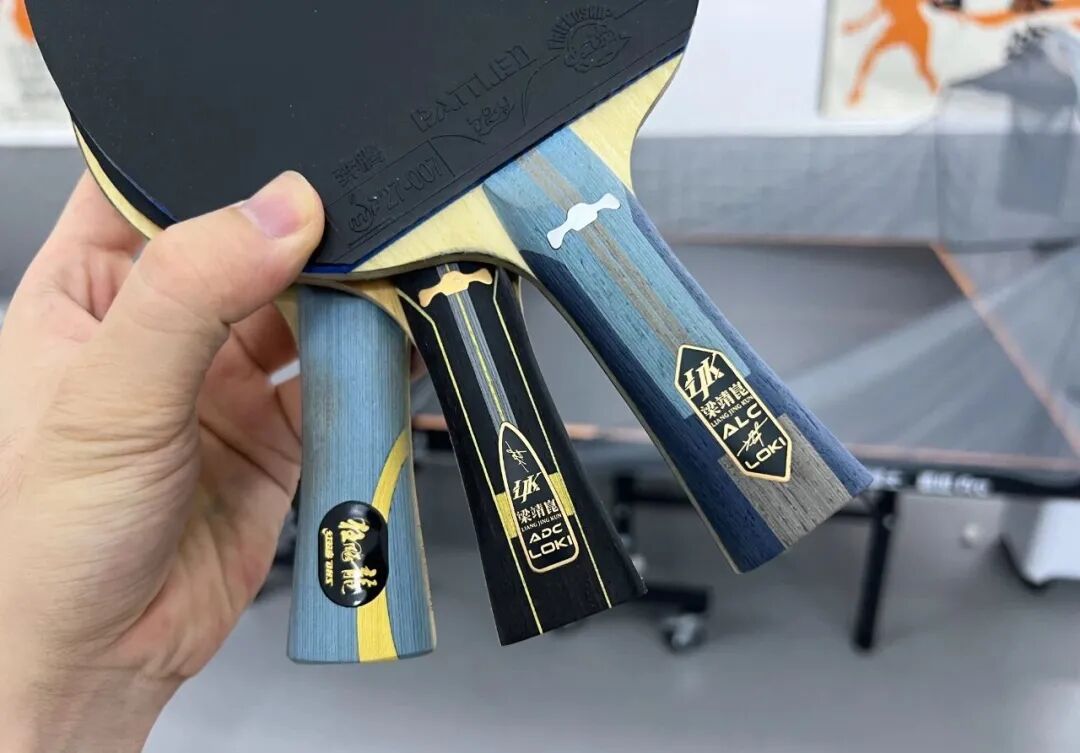
About the W968 Numeric
- Forehand drive: The feel is very familiar and comfortable — same rubber and blade structure I’m used to. With a little extra power you can feel the W968 is noticeably stiffer than both Hurricane Sa and the Liang Jingkun.
- Forehand loop: The arc is long and very close to the baseline, power is tremendous, but spin is comparatively weaker. When the ball hits deep into the blade, the feedback is very hard — not easy to drive through. Arc and forgiveness are relatively limited; the technique threshold is very high.
- Backhand: The arc is very stable — even a light brush gets the ball on the table. But that’s the extent of it. Trying to fully drive through the blade on the backhand is even harder than the forehand. Most club players struggle to generate real quality with the W968 backhand, because you simply can’t punch through the blade — and it’s exhausting.
- Balance point: The W968’s balance point sits closer to the blade head than the Liang Jingkun ADC. Even though it only weighs 192 g, it feels very heavy in hand; swinging both sides continuously is tiring. Most club players can barely drive a single side, let alone expect any consistency.
- Recommendation: W968 is best suited for players rated 1600 and above. Otherwise, just buy the retail Liang Jingkun ALC/ADC.
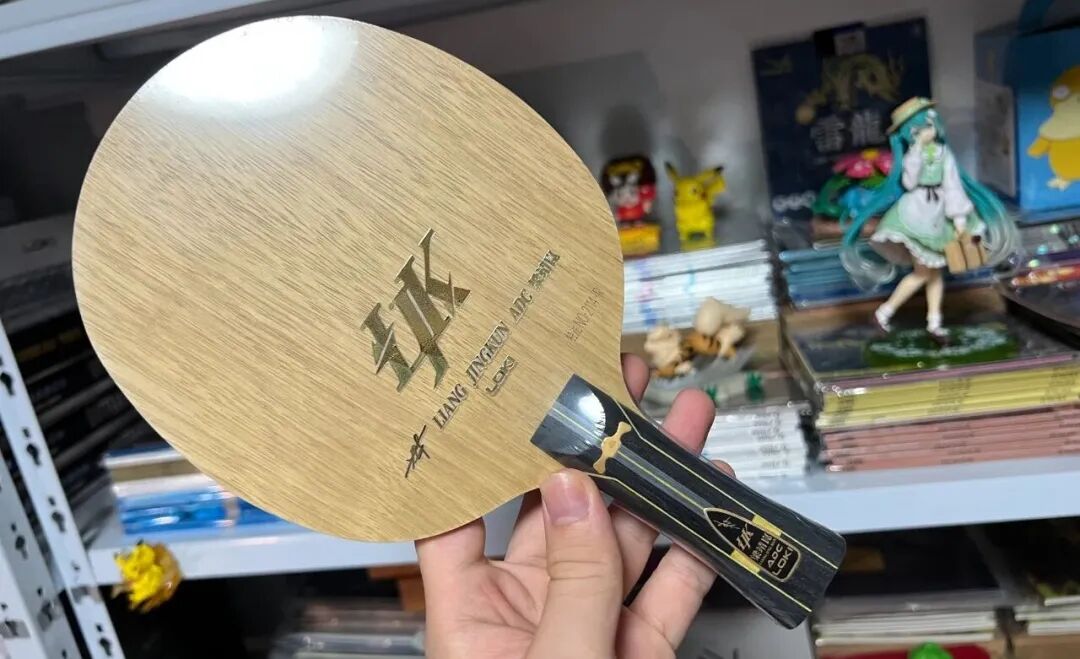
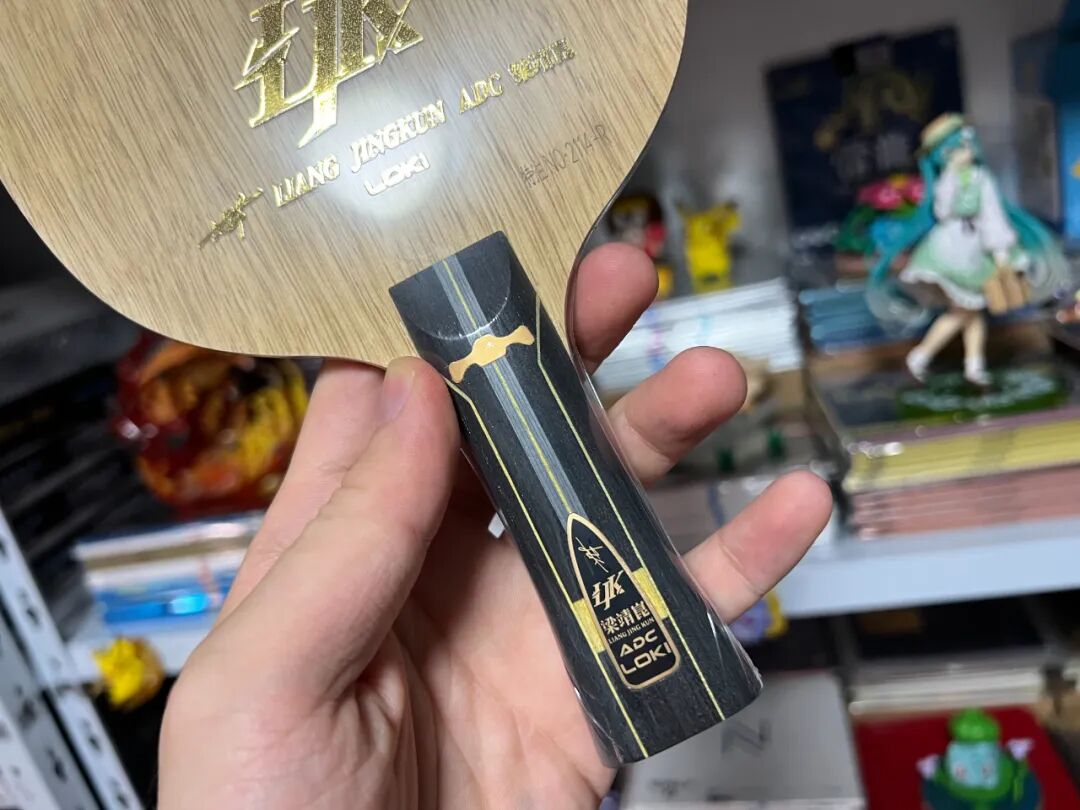
About the Liang Jingkun ADC Special R-Code
- Balance point: Sits in the center to slightly upper range — heavier than a centered blade, but a bit lighter than the W968.
- Forehand drive: Pairing it with DNA Dragon is incredibly satisfying — the ball leaves the blade beautifully. Clarity is one point better than the W968, departure speed 0.5 points faster, and overall feel 1.5 points superior. Everything feels very assured.
- Forehand topspin against topspin: Even with full power, the blade still feels very controlled and comfortable — transparent, easy to engage, quality and depth lower than the W968 but completely sufficient for mid-distance club play. It doesn’t feel hollow on contact; there’s solid support. Compared to other blades on the market, the looping experience adds a special dwell sensation — every loop you can feel the ball’s feedback traveling through the carbon layers, absorbing and holding before launching. That sensation is fantastic.
- Forehand loop against backspin: Thanks to the blade’s excellent and unique feel, you don’t need to deliberately add extra brush to create the arc — you can confidently increase your drive ratio. Aside from straight-line shots requiring deliberate correction, cross-court and middle-path shots go where you aim them. The blade is very precise; you know where the ball is going.
- Short-game control on both wings: Also very precise — soft and controllable, short-drop placement is accurate, pushing long can also be done with confidence. Control is considerably better than the retail version.
- Backhand at close range: The weak point of this blade. The overall large face is on the heavier side, and backhand close-range strokes have a smaller motion frame — it feels half a beat slow, with a slightly dull contact response, not ideal for quick exchanges. Like swinging a heavy sword.
- Backhand loop against backspin: Stability and arc are a step below the W968 on the backhand, with less forgiveness than the forehand — because the forehand benefits from more body rotation to assist arc generation and power, while the backhand threshold is higher.
- Backhand mid-distance loop: Best performance of the three backhand scenarios. Open up the swing and really commit, and you get the same qualities as the forehand — more dwell, a more stable and noticeable arc, and satisfying feedback after driving through. The power threshold is considerably lower than the W968.
- Overall verdict: The Liang Jingkun ADC Special R-Code earns an excellent-or-above rating. It remains the go-to weapon for the big-loop game — low forehand threshold, somewhat higher backhand threshold. Best suited for offensive forehand-dominant players rated 1500 and above.