How Players Choose and Think About Rubber Hardness (Part 2)
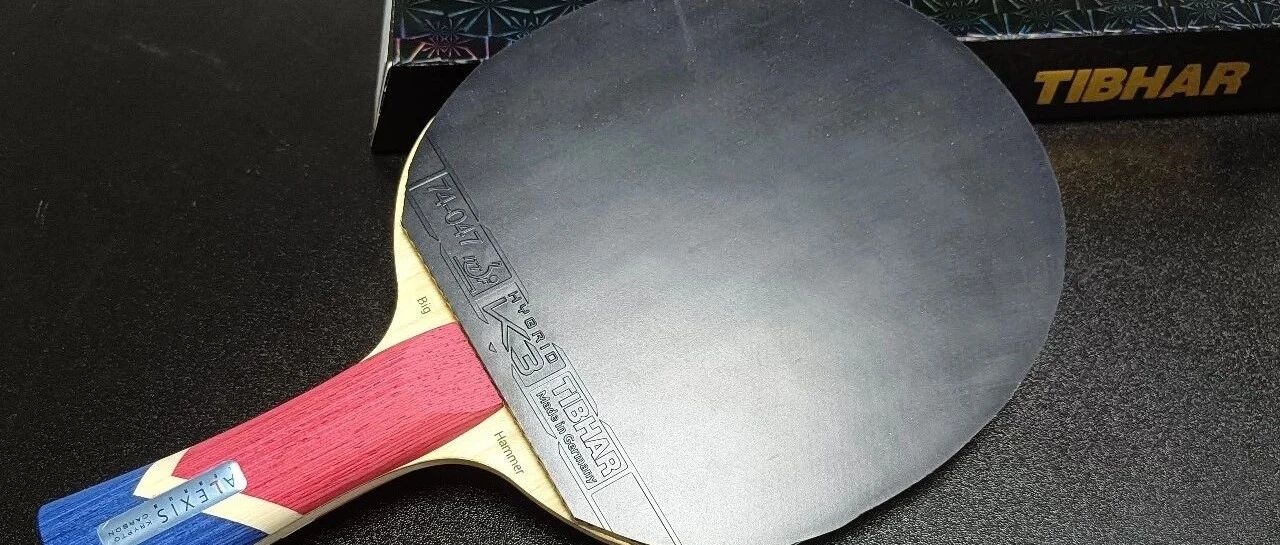
Kenta Matsudaira: Tailored to His Style — Soft Forehand, Hard Backhand
Setup at the time of interview: Kenta Matsudaira Carbon, forehand MK, backhand K3
Later setup: Kenta Matsudaira Carbon, forehand MK PRO, backhand K3 PRO
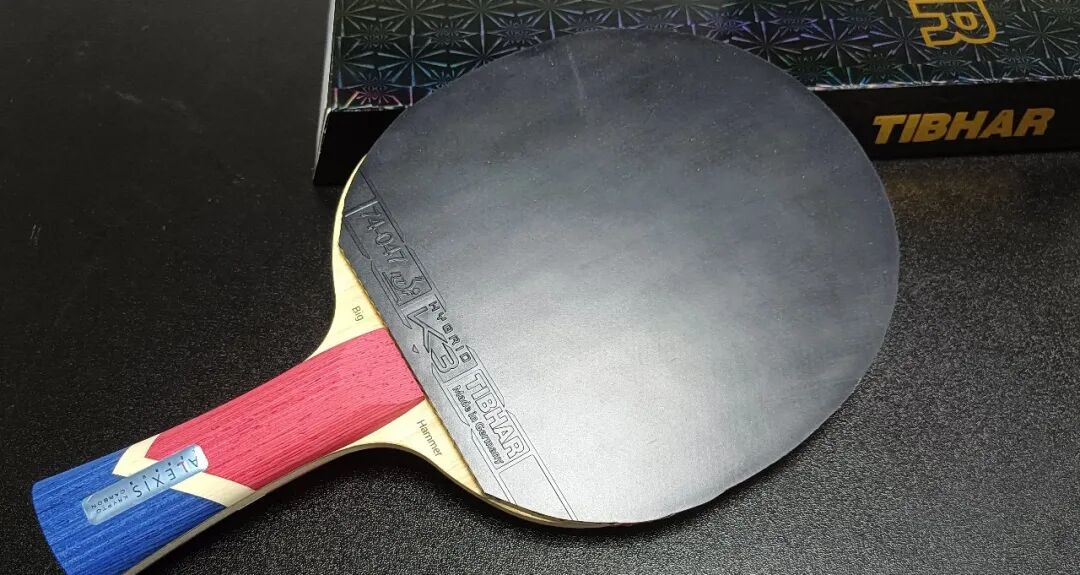
In a previous article, I wrote about how Kenta Matsudaira switched from Zhang Jike ALC to the Tibhar Kenta Matsudaira Carbon. Besides the difference in carbon fiber — blue aramid carbon versus green aramid carbon — the rest of the blade construction is essentially the same, preserving a similar feel. I also noted that in his late Butterfly years, he was on backhand D09c and forehand T05. I actually considered that setup myself at one point. My backhand serve relies heavily on spin, and I use my forehand mainly for penetrating power. But in the end, D09c felt a bit taxing on my backhand, so I dropped it.
The combination of hard backhand (D09c) and soft forehand (T05) is something Matsudaira has carried forward to this day. After signing with Tibhar, he moved to backhand K3 and forehand MK. As we know, MK has larger sponge pores than K3 and is somewhat softer.
Here’s how he describes it in his own words:
Back at Butterfly, he started on two sheets of T05. When D09c came out, he tried it on the backhand. He admitted it felt stiff — not naturally to his taste — but after testing it, he found it worked surprisingly well. So it became backhand D09c, forehand T05.
Commentary: This handsome player has always had a very solid, mature backhand. His forehand, on the other hand, is not as flashy. A harder rubber on the backhand side makes sense.
After signing with Tibhar last year, it was natural for him to try K3 on the backhand — Tibhar’s K3 is directly comparable to Butterfly’s D09c. Matsudaira feels his strength lies in the backhand, and a harder rubber there helps produce higher-quality shots. Choosing rubber hardness is ultimately a personal preference; players who are forehand-dominant can reasonably go harder on the forehand side instead.
For the forehand, he chose MK, which is softer than K3. His reasoning: pure power attackers can go hard on the forehand, but he plays more of a spin game on the forehand rather than brute force. Too hard a rubber, and he can’t generate the speed he needs.
Kayama Yuu: A Two-Sides Hurricane Believer
Setup: Hayata Hina H2 blade, NEO Blue Sponge Hurricane (forehand), NEO Orange Sponge Hurricane (backhand)
He started out on Nittaku G-1 on both sides. Later he switched the forehand to blue-sponge NEO Hurricane. He admits he likes harder rubber, but the Hurricane’s weight put a strain on his shoulder and led to an injury. After rehab and continued training though, he gradually adapted. He feels the Hurricane’s smaller sponge pores give it more solidity, along with maximum spin variation.
Commentary: In an earlier article, we mentioned Kimura Kasumi — also a Butterfly-sponsored player — who started on two sheets of T05 but after playing in the Japan T League, found she couldn’t keep up with higher-level opponents and was forced to switch to two sheets of D05. It took her a month or two to adapt, even though she initially felt D05 was harder to load than T05.
Regardless of whether it’s a blade or a rubber, if you’re seriously considering making a switch, you have to give yourself an adjustment period. Especially with harder rubber — it takes time and training to get comfortable.