Tibhar Hybrid K3 vs Xiom Vega Asia: Which Should You Buy?
| Tibhar Hybrid K3 | Xiom Vega Asia | |
|---|---|---|
| Our rating | 8.3/10 | 7.8/10 |
| best_side | FH | forehand or backhand |
| control | medium-high | 73 |
| speed | offensive (low OFF, between Evolution MX-S and MX-P) | 90 |
| spin | high | 88 |
| sponge_hardness | hard, approximately 53 degrees on the ESN scale | 47.5 degrees |
| type | tacky hybrid | inverted tensor (ESN) |
| weight_uncut_g | 70 | 68 |
We may earn a commission from links on this page. Learn more.
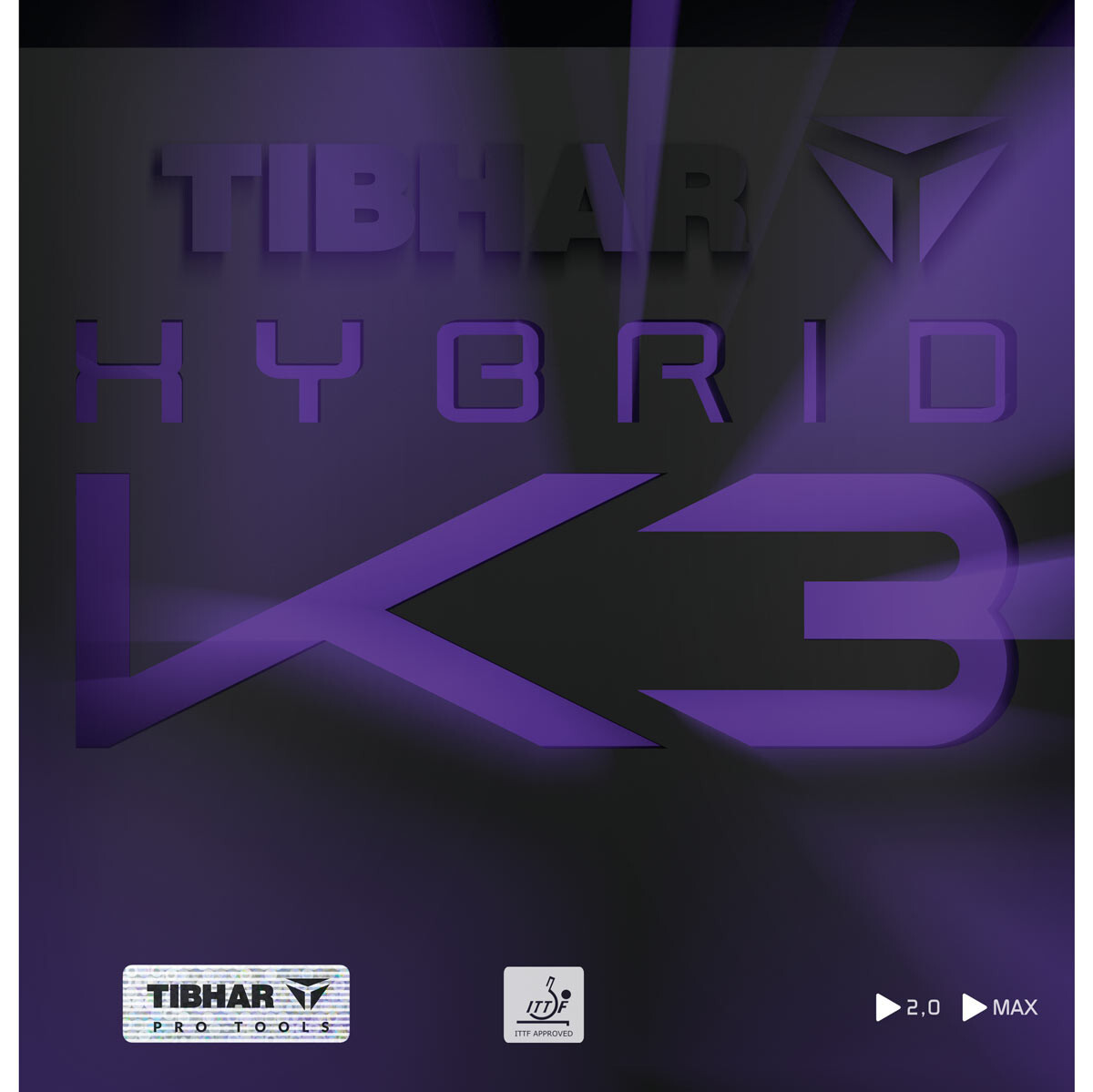
Tibhar Hybrid K3 delivers hard hybrid performance with speed-glue-like feel and excellent blocking, ideal for fast-blade forehand play. Poor durability and replacement frequency due to rapid tackiness fade make it costly despite moderate list price, unsuitable for heavy training schedules.
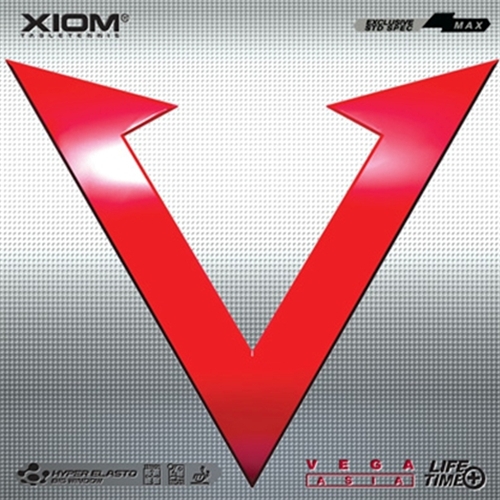
Xiom Vega Asia provides solid blocking speed and durability at a fraction of premium prices, working well on both wings. Its lower spin ceiling and topsheet fragility mean it appeals to intermediate attackers valuing consistency over pure spin production.
FAQ
Which lasts longer?
Vega Asia is significantly more durable. Hybrid K3 loses tackiness and spin within weeks to two months.
Which is better for forehands?
Hybrid K3 excels for fast forehand attackers with carbon blades. Vega Asia works on both wings equally.
Which is more affordable long-term?
Vega Asia is far more affordable due to durability. Hybrid K3 frequent replacement makes it expensive.
Which spins better?
Hybrid K3 spins high but does not match true tacky Chinese rubbers. Vega Asia produces moderate spin.