Tibhar Evolution MX-S vs Yinhe Mercury II: Which Should You Buy?
| Tibhar Evolution MX-S | Yinhe Mercury II | |
|---|---|---|
| Our rating | 8.4/10 | 8.2/10 |
| best_side | Forehand | both |
| control | High | very high |
| speed | OFF | medium |
| spin | Very High (11.5 on Tibhar scale, highest in Evolution range) | high |
| sponge_hardness | around 47.3 degrees (hard) | medium to medium-soft (36-38 degrees Chinese scale) |
| type | Inverted tensor (ESN) | tacky inverted (budget Chinese) |
| weight_uncut_g | 76 g (2.1-2.2 mm uncut sheet) | 60 |
We may earn a commission from links on this page. Learn more.
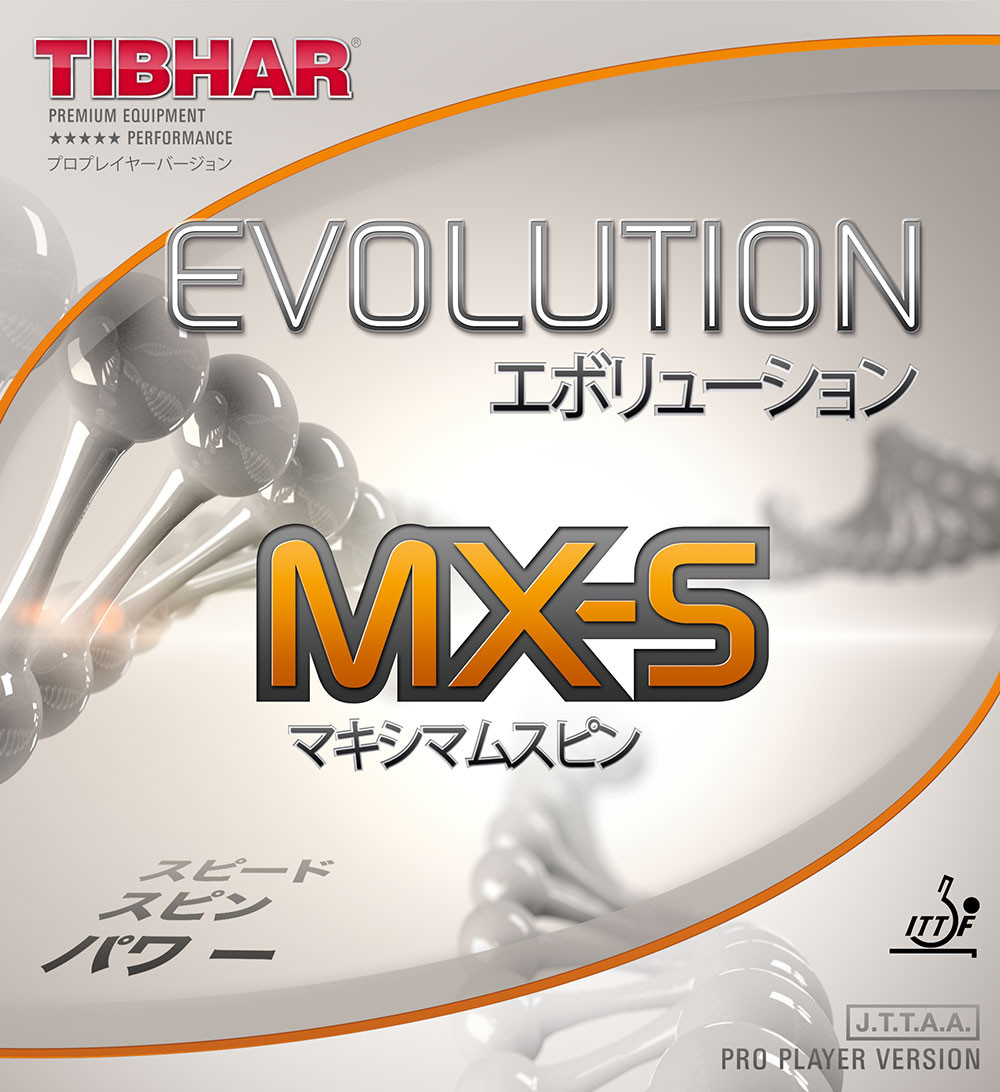
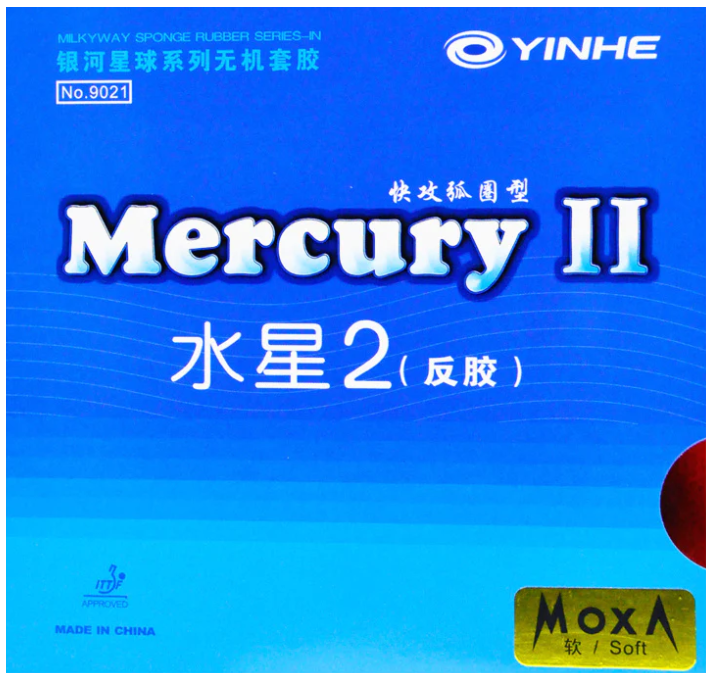
MX-S (8.4) is a premium German hard tensor reaching maximum spin in the Evolution range (11.5 Tibhar scale) with exceptional blocking and low spin sensitivity. Mercury II (8.2) is an outstanding value budget option with genuinely tacky topsheet, high spin on serves and loops, very high control, and forgiving elastic sponge ideal for beginners and defenders, priced at roughly five dollars a sheet. MX-S is much heavier (76g vs. 60g uncut) and harder (47.3 vs. 36-38 degrees), designed for advanced play versus beginner building.
Mercury II suits beginners, improvers, control-oriented players, choppers, and defenders; MX-S suits advanced-to-professional offensive players. Mercury II is slower than German tensors and rewards active play, medium throw limits passive shots. MX-S declines after six months; Mercury II offers long-term budget value. Mercury II is the foundational choice for learning; MX-S is the advanced offensive weapon.
FAQ
Which should beginners choose?
Mercury II: it is budget-friendly, offers high control, and has a forgiving elastic sponge ideal for learning.
Which spins more?
MX-S (11.5 Tibhar) far exceeds Mercury II (8.2); Mercury II is high control for its price.
Which is more affordable?
Mercury II costs around five dollars per sheet; MX-S is a premium modern tensor.
Which is better for choppers and defenders?
Mercury II is ideal for defense and spin; MX-S is designed for advanced offensive play.