Tibhar Evolution MX-S vs Yasaka Mark V: Which Should You Buy?
| Tibhar Evolution MX-S | Yasaka Mark V | |
|---|---|---|
| Our rating | 8.4/10 | 8.0/10 |
| best_side | Forehand | both |
| control | High | 9.5 |
| speed | OFF | 8.4 |
| spin | Very High (11.5 on Tibhar scale, highest in Evolution range) | 8.5 |
| sponge_hardness | around 47.3 degrees (hard) | medium (around 43 degrees ESN) |
| type | Inverted tensor (ESN) | inverted |
| weight_uncut_g | 76 g (2.1-2.2 mm uncut sheet) | 47 |
We may earn a commission from links on this page. Learn more.
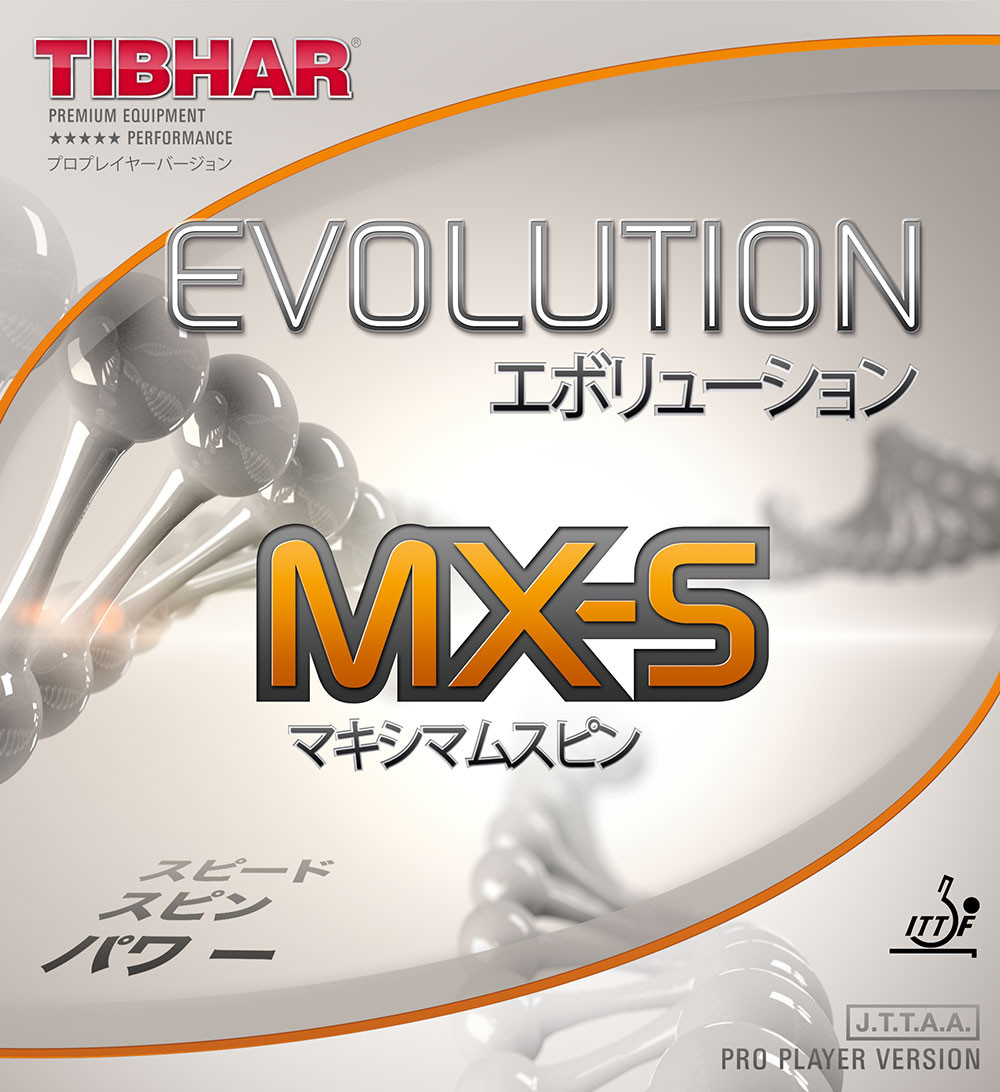
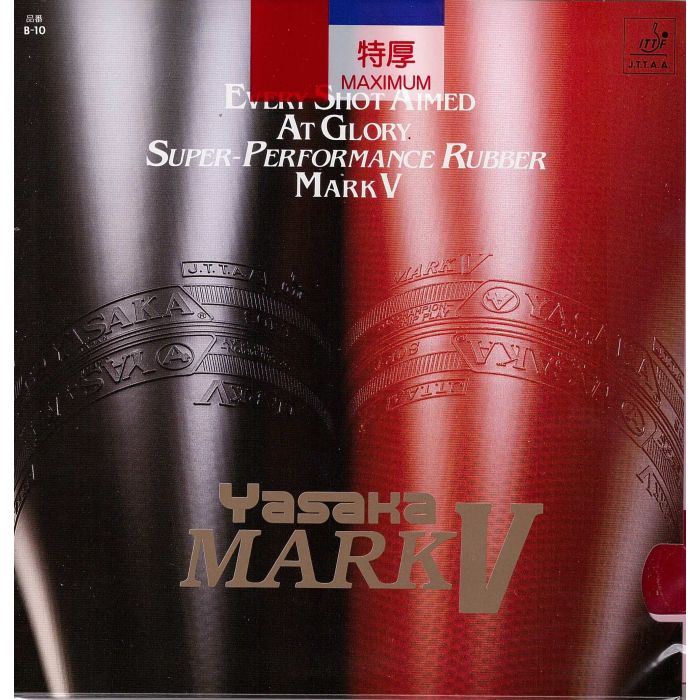
MX-S is a contemporary hard-sponge tensor reaching the Evolution range’s highest spin (11.5 Tibhar scale) with low spin sensitivity and mid-distance versatility. Mark V is a classic inverted rubber with class-leading control (near 10/10), forgiving low spin sensitivity, exceptional consistency, and pocket-friendly pricing, but it performs noticeably worse with modern plastic balls and lacks the speed-spin combination of modern tensors. MX-S is twice as heavy (76g vs. 47g uncut) and much harder (47.3 vs. 43 degrees).
Mark V suits beginners and developing players building reliable strokes, returning players, and value-focused all-rounders. MX-S is an elite forehand weapon for advanced players maximizing modern offensive play. Both offer low spin sensitivity on receive; Mark V never fades over its lifespan, while MX-S declines after six months of intensive play.
FAQ
Which is better for beginners?
Mark V: it offers class-leading control, low spin sensitivity, and forgiving feel without aggressive catapult.
Which produces more spin?
MX-S (11.5 Tibhar) far exceeds Mark V (8.5); Mark V is below-average modern spin.
Which lasts longer?
Mark V lasts forever with excellent consistency and sheet-to-sheet uniformity; MX-S durability declines after six months.
Which is cheaper?
Mark V is pocket-friendly; MX-S costs significantly more, reflecting modern tensor pricing.