Tibhar Evolution EL-P vs Xiom Vega Asia: Which Should You Buy?
| Tibhar Evolution EL-P | Xiom Vega Asia | |
|---|---|---|
| Our rating | 8.4/10 | 7.8/10 |
| best_side | both | forehand or backhand |
| control | medium-high | 73 |
| speed | high | 90 |
| spin | high | 88 |
| sponge_hardness | 43.5 (ESN), about 35 Shore A | 47.5 degrees |
| type | tensor inverted | inverted tensor (ESN) |
| weight_uncut_g | 68 | 68 |
We may earn a commission from links on this page. Learn more.
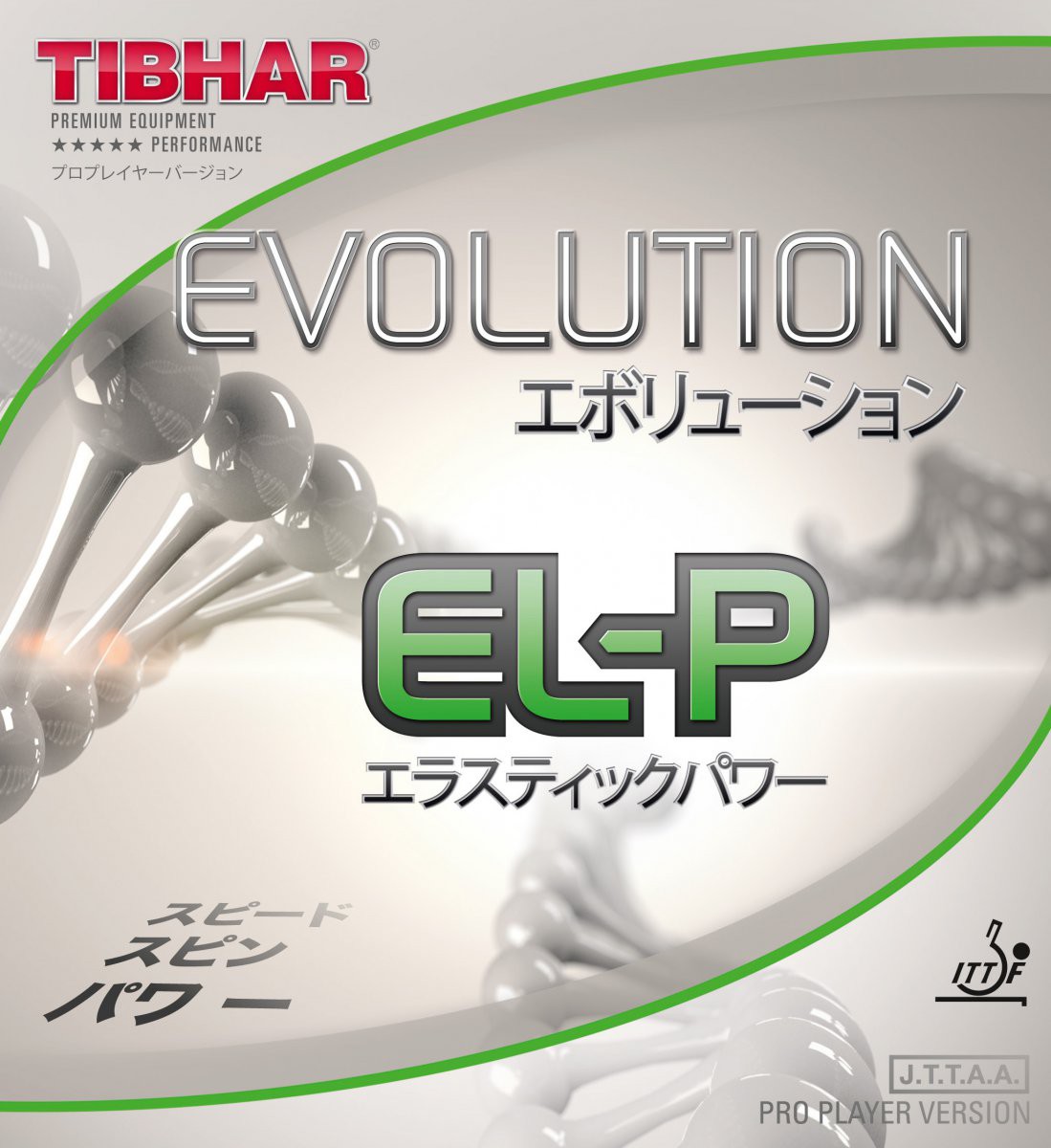
Tibhar Evolution EL-P is a versatile all-rounder that bridges MX-P and FX-P, excelling at close-to-mid-table consistency and easy spin generation. Its heavier weight and lower speed cap out the performance ceiling compared to harder alternatives, making it ideal for control-focused developers.
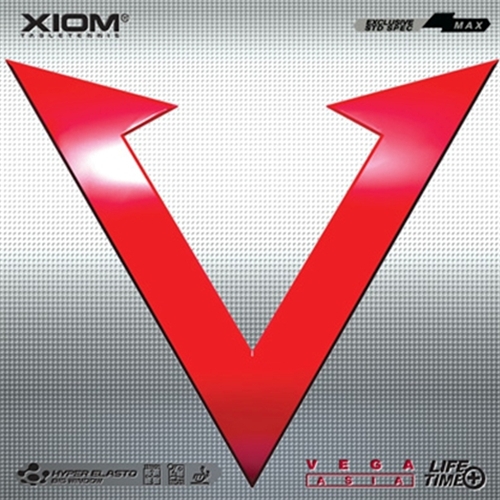
Xiom Vega Asia delivers higher speed and a crisp blocking feel at well below Tenergy pricing. However, its steep learning curve, topsheet durability concerns, and lower backspin-lifting ability mean it suits experienced Asian-style attackers rather than versatile spinners.
FAQ
Which offers better control?
EL-P provides superior all-around control and forgiveness with its balanced character. Vega Asia prioritizes speed over touch.
Which works better on backhand?
Many users favor EL-P for backhand play due to its easy spin and consistency. Vega Asia works on both sides but requires more refined technique.
Are these comparable in price?
Both are mid-tier European/Asian tensors competitively priced, though exact street pricing varies.
Which is more forgiving?
EL-P is noticeably more forgiving on mishits and off-center contact. Vega Asia demands cleaner technique.