Stiga DNA Pro M vs Tibhar Evolution MX-S: Which Should You Buy?
| Stiga DNA Pro M | Tibhar Evolution MX-S | |
|---|---|---|
| Our rating | 8.5/10 | 8.4/10 |
| best_side | Forehand or Backhand | Forehand |
| control | High | High |
| speed | OFF+ | OFF |
| spin | Very High | Very High (11.5 on Tibhar scale, highest in Evolution range) |
| sponge_hardness | 47.5 degrees ESN | around 47.3 degrees (hard) |
| type | Inverted / Pimples-In | Inverted tensor (ESN) |
| weight_uncut_g | 69 | 76 g (2.1-2.2 mm uncut sheet) |
We may earn a commission from links on this page. Learn more.
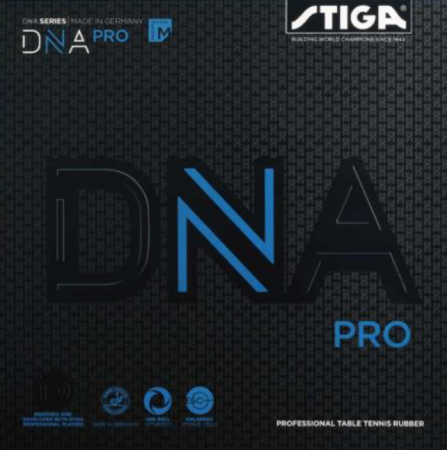
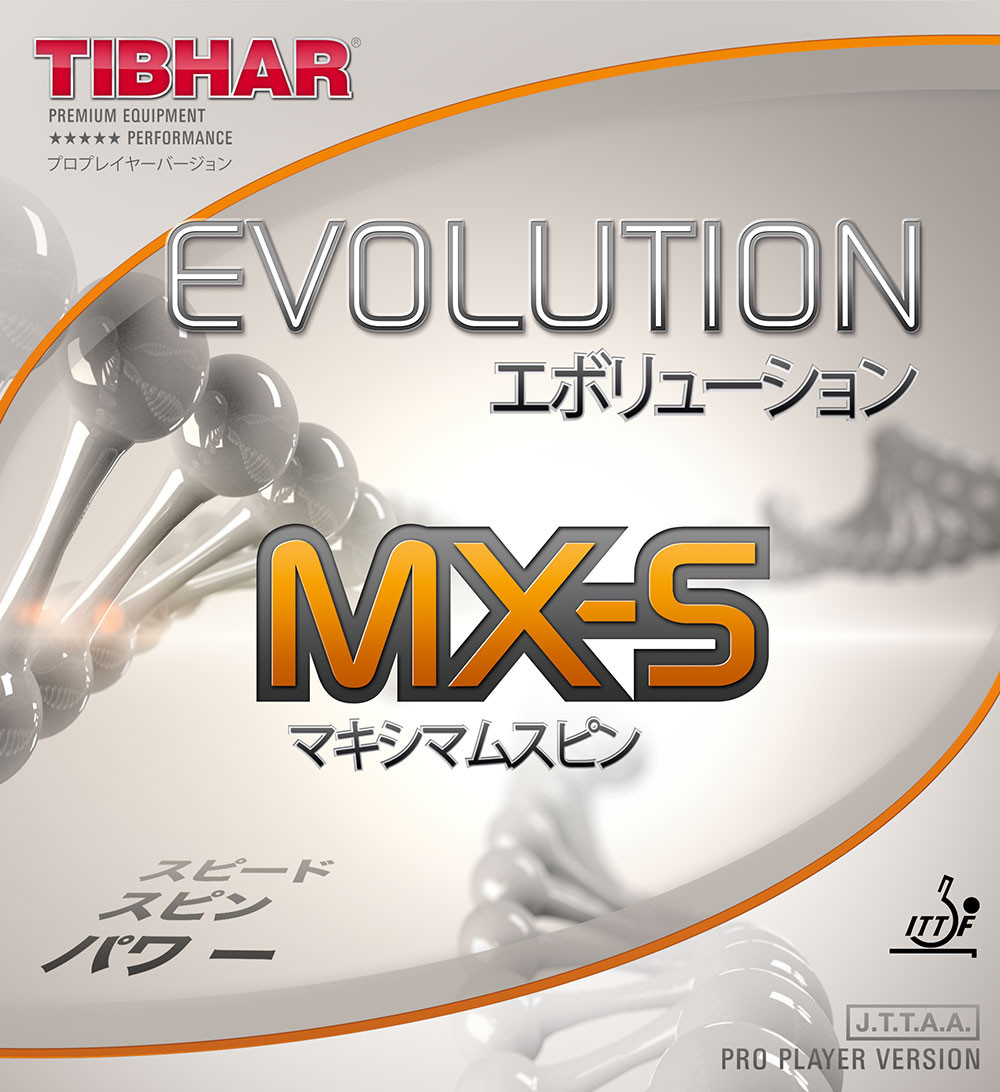
DNA Pro M and Evolution MX-S are both advanced tensors from trusted brands but differ in philosophy. DNA Pro M (8.5 rating) balances speed and spin across both forehand and backhand with a 47.5-degree ESN sponge. Evolution MX-S (8.4 rating) pursues maximum spin (11.5 on the Tibhar scale, highest in the Evolution line) with a 47.3-degree hard sponge, optimized for forehand looping and precise serve placement.
MX-S generates more raw spin than DNA Pro M (Very High vs Very High is close, but Tibhar rates MX-S at 11.5), though DNA Pro M’s grip topsheet matches it on brushed loops. MX-S shines on tight loop exchanges and serves, while DNA Pro M’s forgiving arc reduces net errors. MX-S at 76 grams uncut is heavier than DNA Pro M (69 grams), adding fatigue risk on carbon blades. MX-S also demands stronger technique—passive or imprecise strokes do not reward well, whereas DNA Pro M’s medium-high arc catches errors.
Choose DNA Pro M if you want versatility on both wings and forgiving arc; choose MX-S if you base your game on high-spin looping and tight serve placement from the forehand.
FAQ
Which spins more?
MX-S produces the highest spin output in the Evolution range (11.5 on Tibhar scale). DNA Pro M is also very spinny, especially with its grippy topsheet, but MX-S edges ahead on raw output.
Which has better blocking?
MX-S excels at exceptional blocking with low spin sensitivity, absorbing pace well. DNA Pro M also blocks strongly but is less specialized for defense.
Which is less demanding on technique?
DNA Pro M is more forgiving with its medium-high arc and pronounced catapult. MX-S demands strong technique and does not forgive passive or imprecise strokes.
Which works better on the backhand?
DNA Pro M suits both wings equally. MX-S is optimized for forehand; backhand players will find less advantage.
Which is heavier?
MX-S is significantly heavier at 76 grams uncut versus DNA Pro M at 69 grams, adding noticeable racket weight and fatigue risk.