Nittaku Fastarc S-1 vs Yinhe Mercury II: Which Should You Buy?
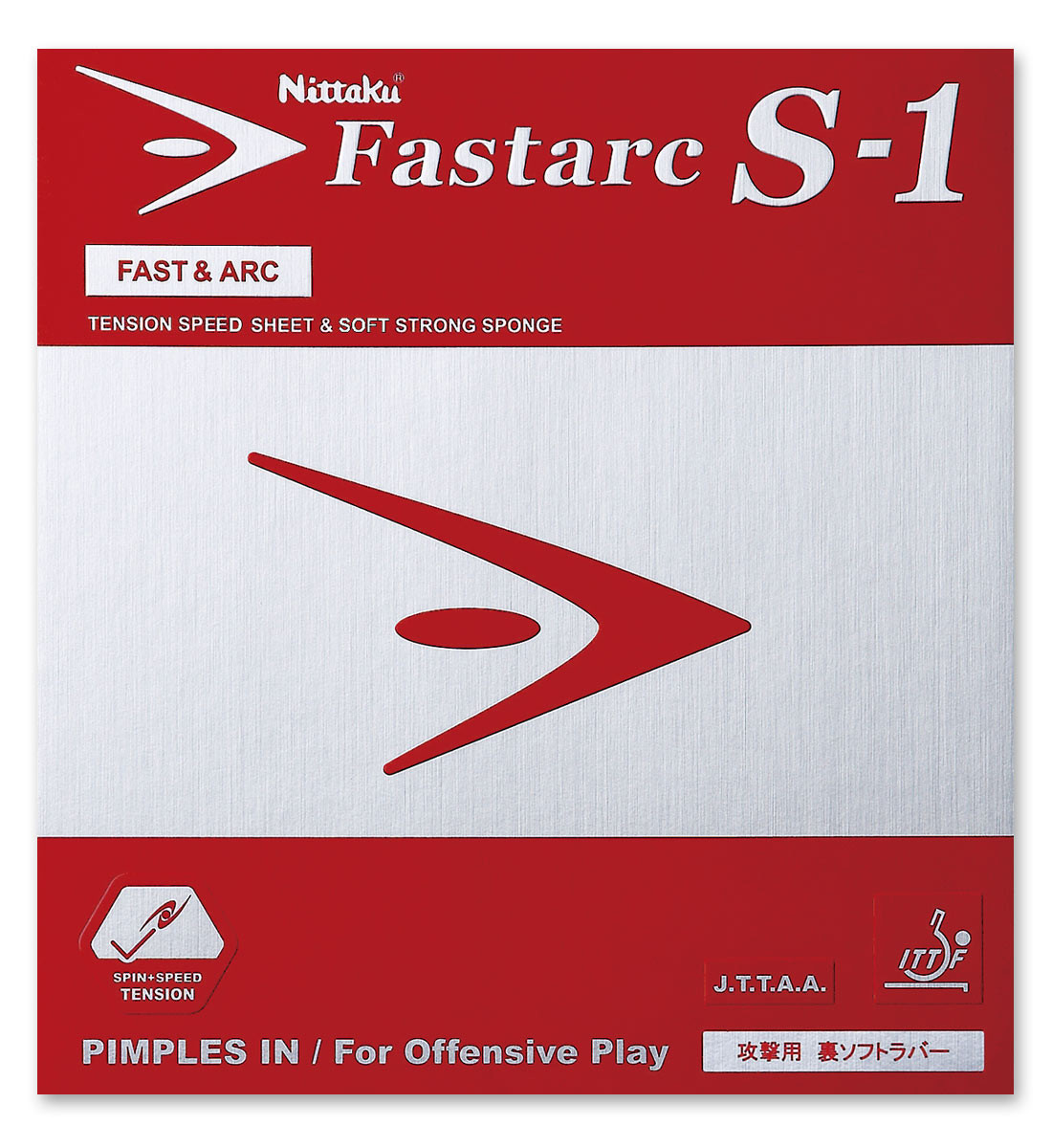
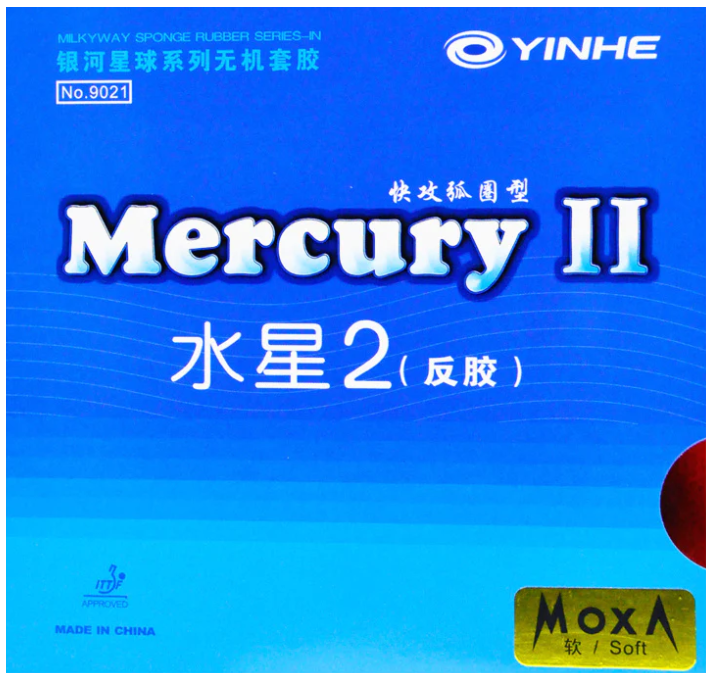
| Nittaku Fastarc S-1 | Yinhe Mercury II | |
|---|---|---|
| Our rating | 7.9/10 | 8.2/10 |
| best_side | forehand or backhand | both |
| control | 70 | very high |
| speed | 97 | medium |
| spin | 96 | high |
| sponge_hardness | 35 degrees | medium to medium-soft (36-38 degrees Chinese scale) |
| type | inverted | tacky inverted (budget Chinese) |
| weight_uncut_g | around 41-43g | 60 |
We may earn a commission from links on this page. Learn more.
Fastarc S-1 delivers tensor speed without excessive stiffness, accessible to intermediate players and transitioning beginners. Its 41-43g weight and grippy non-tacky topsheet enable strong blocking, serve returns, and medium-high throw arc for loop clearance. Spin output is moderate but usable.
Mercury II is an exceptional value tacky Chinese rubber around five dollars per sheet, offering high control and spin on serves, loops, and chops. The elastic, forgiving sponge suits beginners, defenders, and choppers more than attacking loopers. Its medium throw keeps passive shots low, and speed lags German tensors, but the genuine tacky grip kills slippage and builds confidence in short-game work.
Fastarc S-1 is for intermediate attackers seeking lightweight pace. Mercury II suits beginners, defenders, and budget-conscious players building first custom rackets.
FAQ
Why is Mercury II so cheap?
It is a budget-friendly Chinese rubber without premium sponge technology. The value is genuine for beginners and defenders.
Can advanced players use Mercury II?
Yes, but mainly for backhand defense or choppers. Its slower speed and forgiving dwell don’t suit aggressive forehand looping at high levels.
Which is faster?
Fastarc S-1 is considerably faster. Mercury II is medium speed and rewards active strokes but cannot match tensor pace.
Which is better for serve variation?
Mercury II’s tacky topsheet excels at spin variation on serves. Fastarc S-1 produces good spin but requires more refined technique.