Nittaku Fastarc P-1 vs Yinhe Mercury II: Which Should You Buy?
| Nittaku Fastarc P-1 | Yinhe Mercury II | |
|---|---|---|
| Our rating | 7.8/10 | 8.2/10 |
| best_side | forehand | both |
| control | 8.5 | very high |
| speed | 15.5 | medium |
| spin | 12.25 | high |
| sponge_hardness | 47.5 degrees | medium to medium-soft (36-38 degrees Chinese scale) |
| type | tensor | tacky inverted (budget Chinese) |
| weight_uncut_g | 70 | 60 |
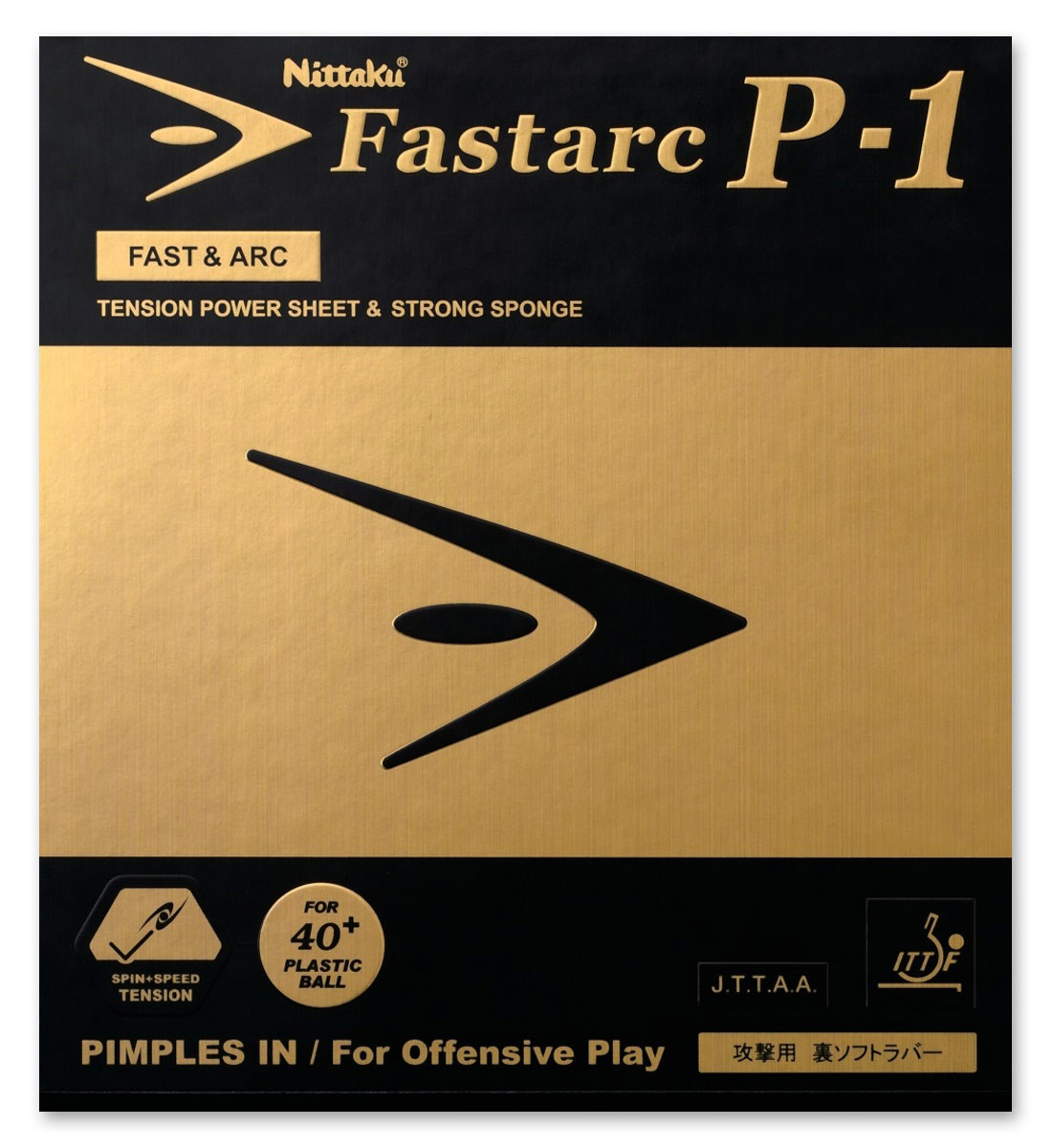
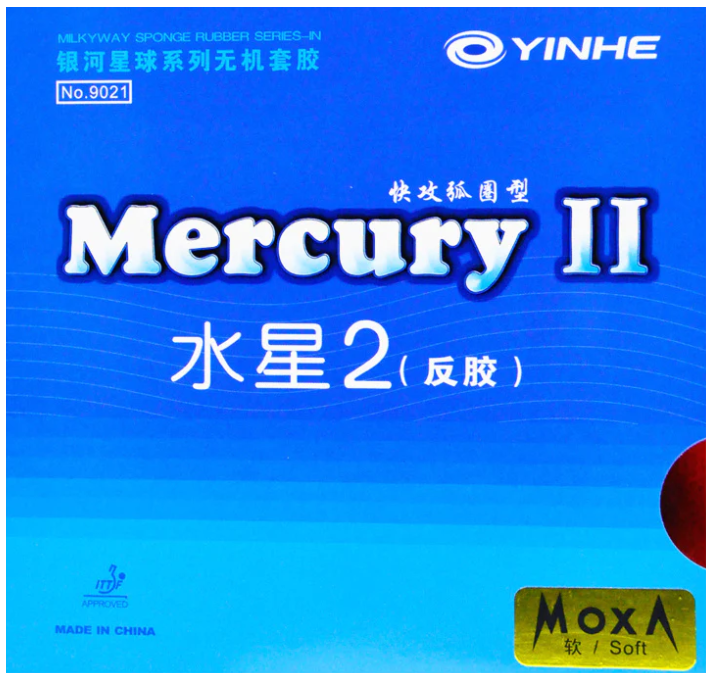
We may earn a commission from links on this page. Learn more.
Nittaku Fastarc P-1 prioritizes speed and accessibility through lightweight tensor design. Yinhe Mercury II targets advanced players seeking maximum spin, speed and control consistency.
Nittaku Fastarc P-1 suits intermediate attackers developing solid technique without weight penalty. Yinhe Mercury II demands advanced stroke quality and rewards it with higher performance ceilings.
Weight difference matters: Nittaku Fastarc P-1 runs under 43g uncut while Yinhe Mercury II is significantly heavier. This reflects their philosophies around speed accessibility versus raw performance output.
FAQ
Which is faster, Nittaku Fastarc P-1 or Yinhe Mercury II?
Yinhe Mercury II delivers higher rated speed and excels in aggressive offensive situations. Nittaku Fastarc P-1 offers genuine tensor pace without the weight burden, making it more accessible to developing players.
Who should choose the lighter tensor?
Intermediate attackers wanting real speed but needing forgiving feel. Nittaku Fastarc P-1 works well for players still building technique, reducing fatigue from heavier setups.
Is Yinhe Mercury II worth upgrading to?
If you play advanced offensive rallies and need consistent spin and speed, yes. For developing players or those valuing light setups, Nittaku Fastarc P-1 delivers solid performance at more forgiving skill requirements.
Can either work on backhand?
Both are versatile. Nittaku Fastarc P-1 feels more natural for developing backhand technique. Yinhe Mercury II demands precise contact but rewards it with higher performance on either wing.