Nittaku Fastarc P-1 vs Yasaka Mark V: Which Should You Buy?
| Nittaku Fastarc P-1 | Yasaka Mark V | |
|---|---|---|
| Our rating | 7.8/10 | 8.0/10 |
| best_side | forehand | both |
| control | 8.5 | 9.5 |
| speed | 15.5 | 8.4 |
| spin | 12.25 | 8.5 |
| sponge_hardness | 47.5 degrees | medium (around 43 degrees ESN) |
| type | tensor | inverted |
| weight_uncut_g | 70 | 47 |
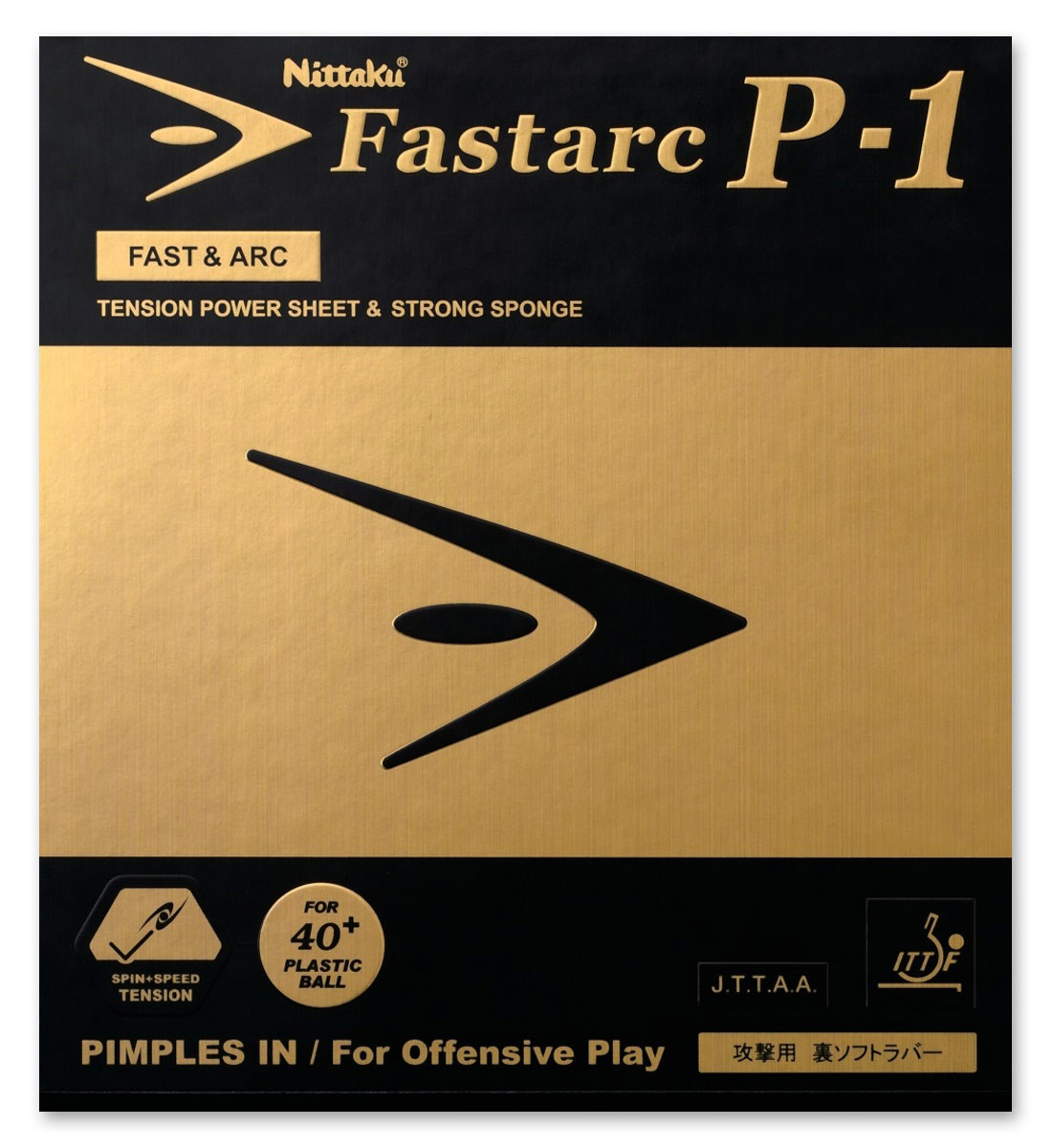
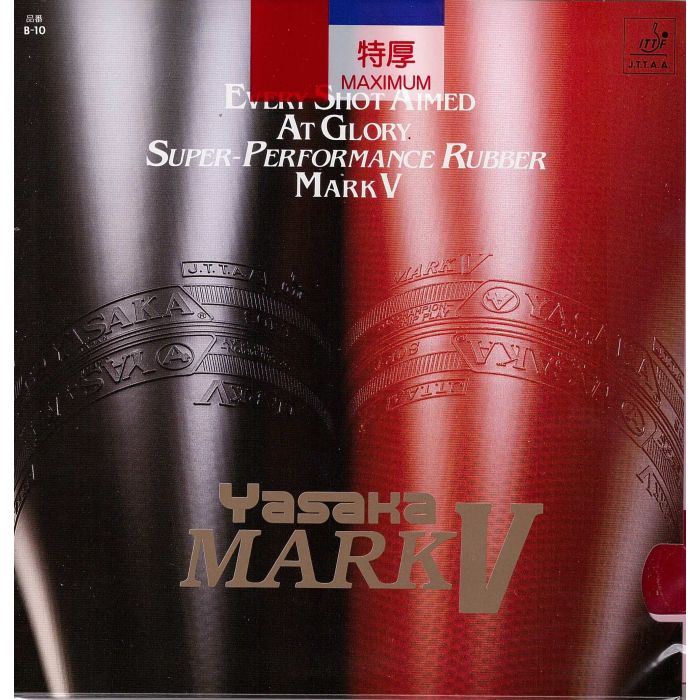
We may earn a commission from links on this page. Learn more.
Yasaka Mark V rates 8.0 and delivers class-leading control and ball placement that several reviewers rate near or at perfect 10. Forgiving low spin sensitivity makes returns against varied incoming spin easy. Exceptional consistency and sheet-to-sheet uniformity over very long lifespan makes it pocket-friendly and versatile across beginner to advanced players depending on thickness and blade.
Fastarc P-1 at 7.8 is faster and more demanding. Mark V is lighter at 47g and designed for celluloid balls, performing noticeably worse with modern plastic balls.
Mark V suits beginners and developing players wanting maximum control while building technique, plus value-focused allrounders and returning players who prize feel, consistency, and long-lasting rubber.
FAQ
Which is more durable?
Mark V has very long lifespan with excellent consistency.
Does Mark V work with modern plastic balls?
Mark V performs noticeably worse with modern plastic balls.
Control comparison?
Mark V offers class-leading control near perfect 10.
Speed difference?
Mark V is slower than modern tensors.
Who should choose Mark V?
Beginners and developing players valuing control and long-lasting performance.