Nittaku Fastarc P-1 vs Xiom Vega Asia: Which Should You Buy?
| Nittaku Fastarc P-1 | Xiom Vega Asia | |
|---|---|---|
| Our rating | 7.8/10 | 7.8/10 |
| best_side | forehand | forehand or backhand |
| control | 8.5 | 73 |
| speed | 15.5 | 90 |
| spin | 12.25 | 88 |
| sponge_hardness | 47.5 degrees | 47.5 degrees |
| type | tensor | inverted tensor (ESN) |
| weight_uncut_g | 70 | 68 |
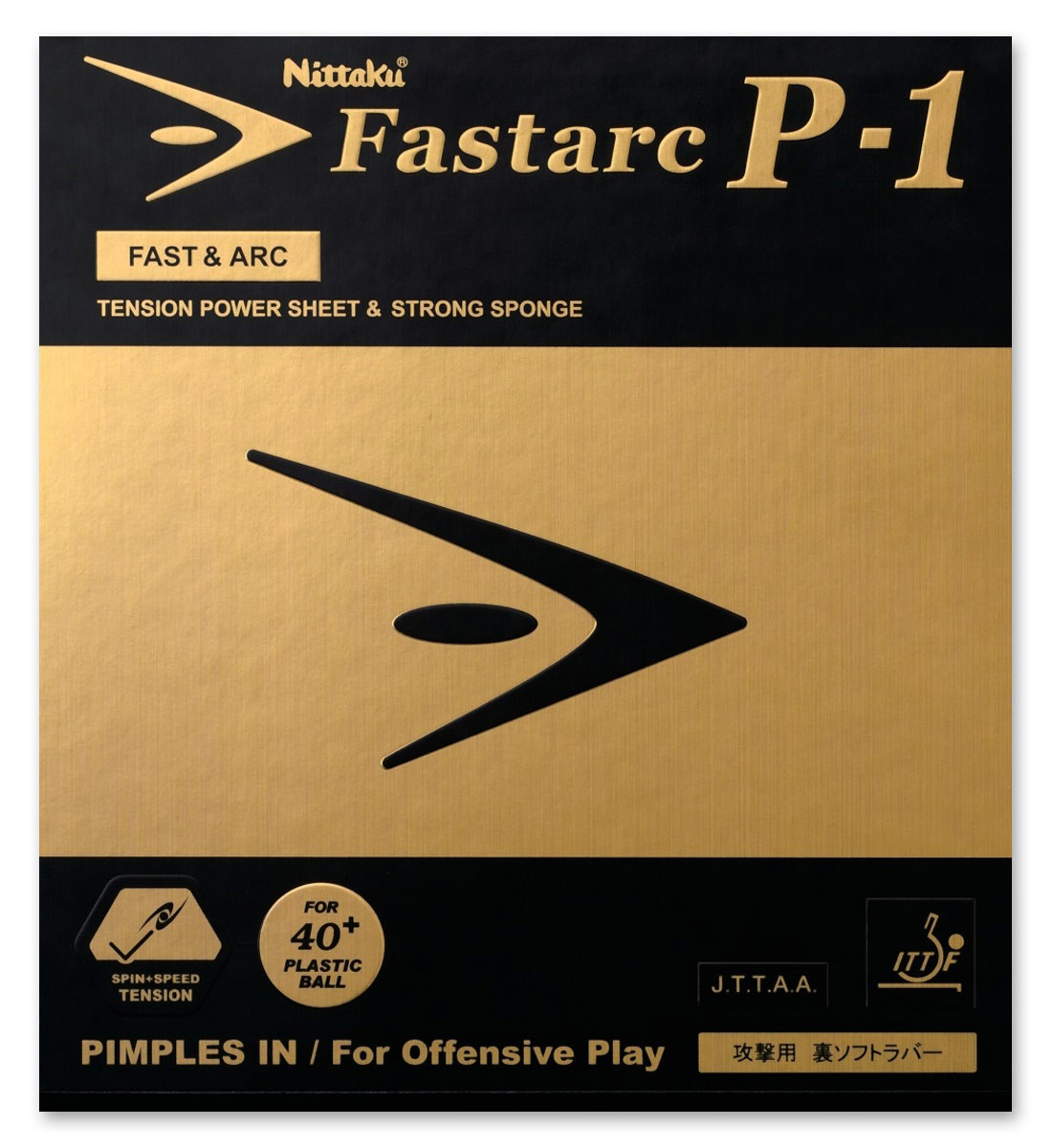
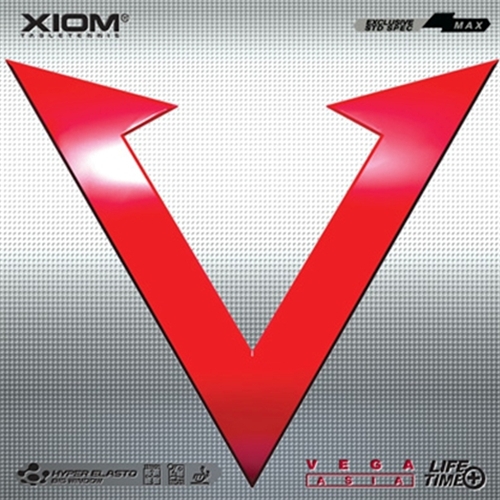
We may earn a commission from links on this page. Learn more.
Xiom Vega Asia rates 7.8 like Fastarc P-1 and delivers excellent speed for flat drives, smashes, and active blocks. The lower throw angle suits Asian-style direct attack game. It is noticeably more durable than softer Vega Europe and priced well below Tenergy and other premium ESN rubbers.
Both are 47.5-degree tensors at similar weight, but Vega Asia emphasizes speed and direct hitting while Fastarc P-1 focuses on looping and spin. Vega Asia suits intermediate offensive players preferring drives and smashes, while Fastarc P-1 is better for advanced loopers.
Vega Asia works well on all-round and off-minus blades. Both lack the highest spin output, but Vega Asia excels at flat driving and durable sustained use.
FAQ
Which is more durable?
Vega Asia is noticeably more durable than Vega Europe. Fastarc P-1 is German-made.
Spin generation differences?
Vega Asia spin requires refined looping technique. Fastarc P-1 offers more impressive output.
Topsheet durability?
Vega Asia topsheet can chip within 1-2 months. Fastarc P-1 is more durable.
Which excels at blocking?
Both block well. Vega Asia has low incoming spin sensitivity.
Best for whom?
Vega Asia suits intermediate players preferring drives. Fastarc P-1 suits advanced loopers.