Nittaku Fastarc P-1 vs Tibhar Evolution MX-S: Which Should You Buy?
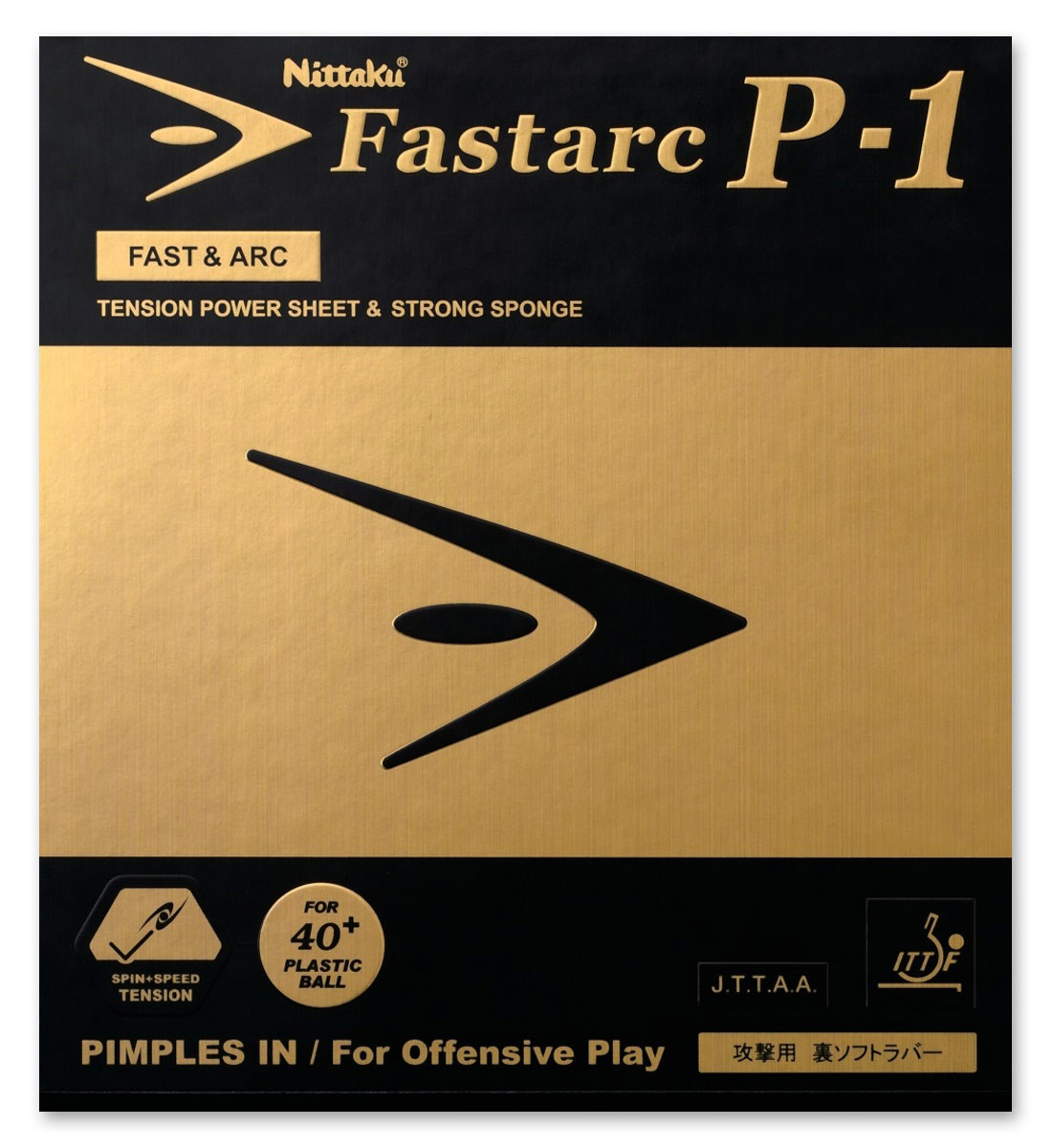
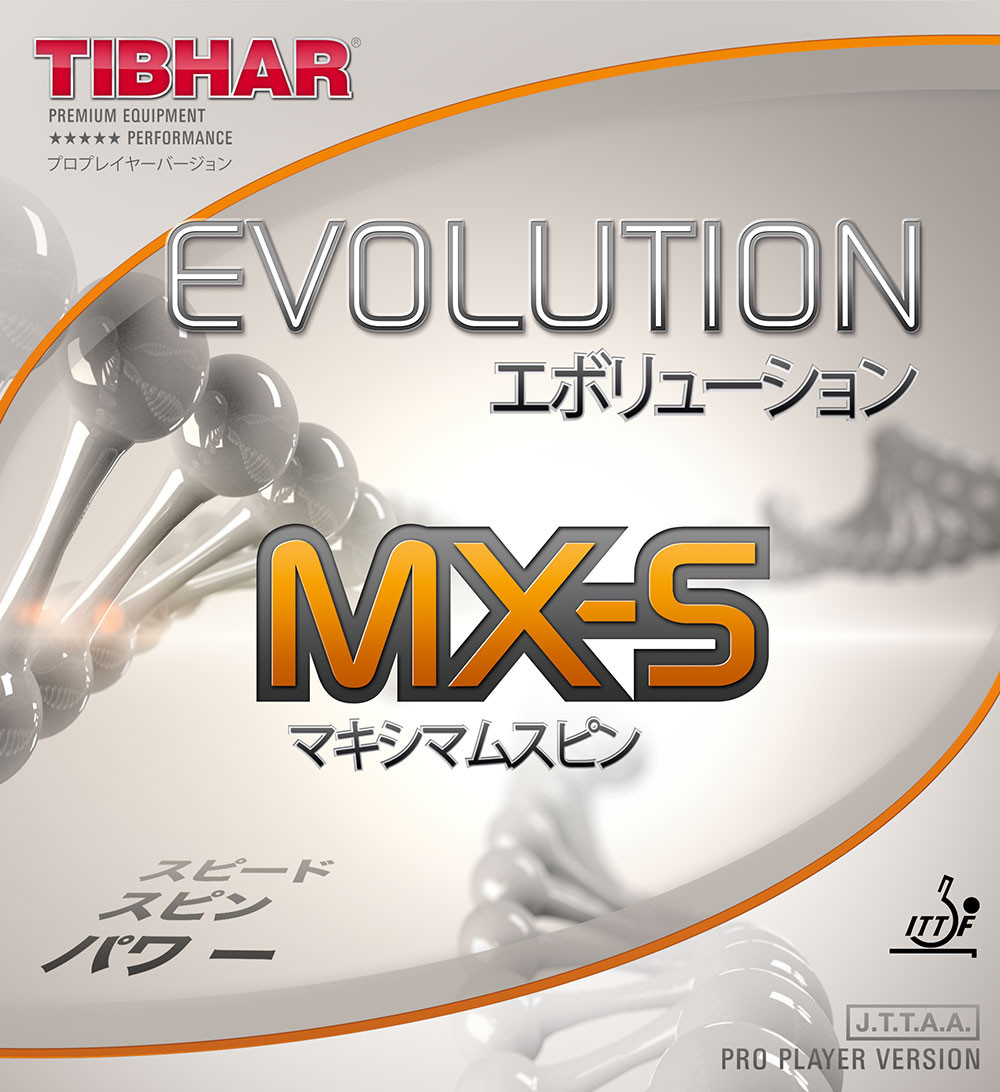
| Nittaku Fastarc P-1 | Tibhar Evolution MX-S | |
|---|---|---|
| Our rating | 7.8/10 | 8.4/10 |
| best_side | forehand | Forehand |
| control | 8.5 | High |
| speed | 15.5 | OFF |
| spin | 12.25 | Very High (11.5 on Tibhar scale, highest in Evolution range) |
| sponge_hardness | 47.5 degrees | around 47.3 degrees (hard) |
| type | tensor | Inverted tensor (ESN) |
| weight_uncut_g | 70 | 76 g (2.1-2.2 mm uncut sheet) |
We may earn a commission from links on this page. Learn more.
Tibhar Evolution MX-S rates 8.4 and delivers the highest spin output in the Evolution range with exceptional blocking that absorbs pace and low spin sensitivity. It offers outstanding short game and serve control with a wide gear range from touch shots to explosive loops. The sponge is consistent batch-to-batch.
Fastarc P-1 at 7.8 is faster and more catapult-driven. MX-S is heavier at 76g uncut and demands strong technique without built-in catapult to compensate for errors.
MX-S suits advanced to professional offensive players basing their game on high-spin looping and precise serve placement. Fastarc P-1 is better for players seeking catapult and higher throw angle. MX-S requires generating your own speed through technique.
FAQ
Which produces more spin?
MX-S delivers the highest spin in the Evolution range. Fastarc P-1 focuses on spin efficiency.
Weight impact?
MX-S at 76g uncut is the heaviest. This adds significant grams to the overall setup.
Does MX-S have catapult?
MX-S has less catapult than MX-P. Players must generate their own speed.
Best for all-wood blades?
MX-S can feel slow on all-wood blades. Fastarc P-1 suits all-wood and carbon.
Durability?
MX-S durability starts declining after 6 months of intensive play.