Nittaku Fastarc C-1 vs Yinhe Mercury II: Which Should You Buy?
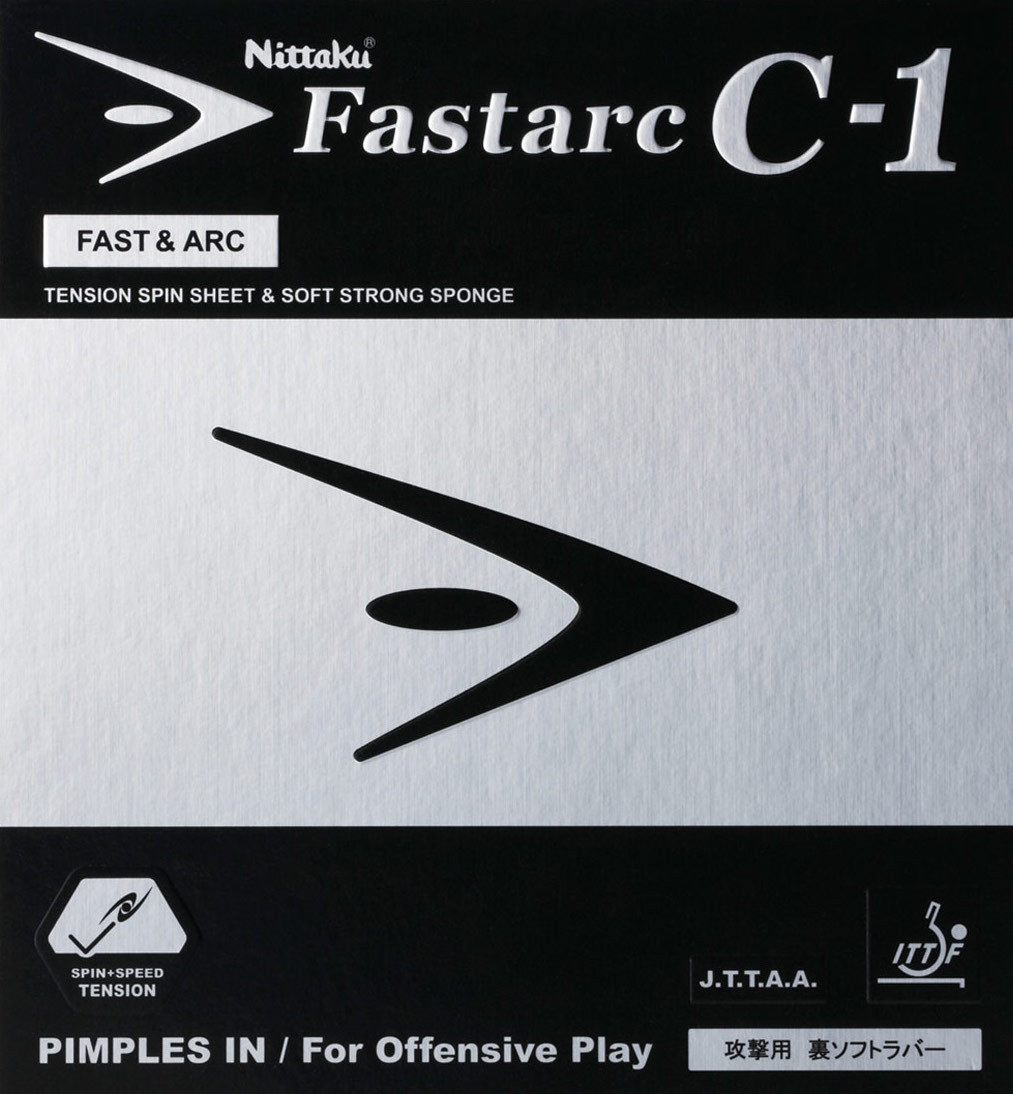
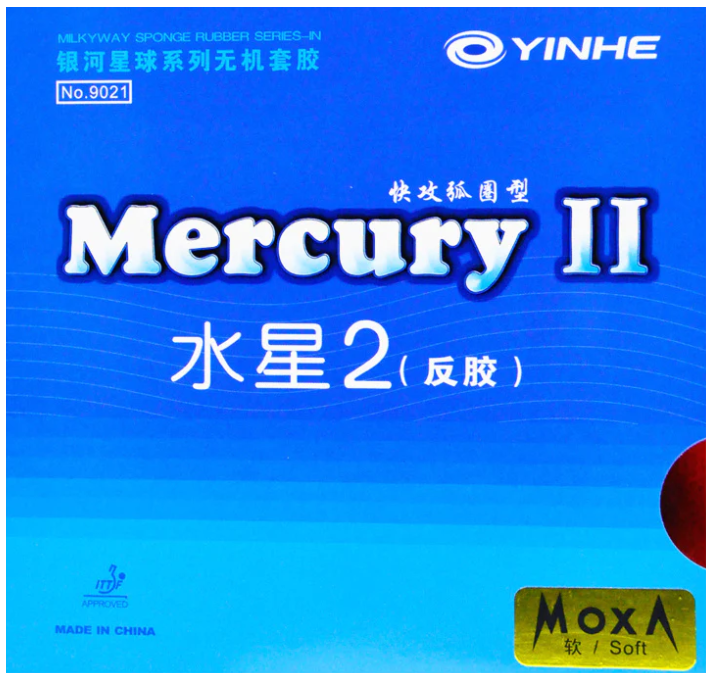
| Nittaku Fastarc C-1 | Yinhe Mercury II | |
|---|---|---|
| Our rating | 8.4/10 | 8.2/10 |
| best_side | backhand or allround | both |
| control | high | very high |
| speed | 15.25 (Nittaku scale) | medium |
| spin | 12.25 (Nittaku scale) | high |
| sponge_hardness | 45 degrees | medium to medium-soft (36-38 degrees Chinese scale) |
| type | inverted / tensor | tacky inverted (budget Chinese) |
| weight_uncut_g | approx 47 g (157 x 150 mm sheet) | 60 |
We may earn a commission from links on this page. Learn more.
Choose Fastarc C-1 for a well-rounded intermediate rubber with modern tensor performance and forgiving mechanics. Choose Mercury II (8.2 rating) if you’re building a first custom racket on a tight budget and want a genuinely grippy, control-heavy tacky rubber that suits beginners and defenders.
Mercury II is exceptional value at around five dollars and offers real tacky spin without the premium price of Fastarc C-1. However, it’s slower, rewards active strokes, and has a medium throw that can clip nets on passive shots. Fastarc C-1 is faster, safer, and works for offensive players. Mercury II is for control-focused all-rounders or beginners—Fastarc C-1 is for those wanting modern tensor performance at a discount against Tenergy.
FAQ
Which should I pick if I’m new to table tennis?
Mercury II. Its very high control, forgiving sponge, and low cost make it ideal for beginners. Fastarc C-1 is better once you can handle a stiffer tensor.
Can I use Mercury II on the forehand?
Yes, Soft and Medium options let you tune it for either wing. Fastarc C-1 is more explicitly a backhand/allround choice.
Which throws higher and is safer on backspin?
Fastarc C-1. Mercury II has a medium throw that keeps the ball low, making passive backspin lifts harder.
How much spin do I really get with Mercury II?
High spin on serves, loops, and chops—genuine tacky engagement. Not as refined as Fastarc C-1 but competitive for the price.