Nittaku Fastarc C-1 vs Victas V>15 Extra: Which Should You Buy?
| Nittaku Fastarc C-1 | Victas V>15 Extra | |
|---|---|---|
| Our rating | 8.4/10 | 8.4/10 |
| best_side | backhand or allround | forehand |
| control | high | 81 |
| speed | 15.25 (Nittaku scale) | 94 |
| spin | 12.25 (Nittaku scale) | 88 |
| sponge_hardness | 45 degrees | 47.5 degrees |
| type | inverted / tensor | inverted |
| weight_uncut_g | approx 47 g (157 x 150 mm sheet) | 70 |
We may earn a commission from links on this page. Learn more.
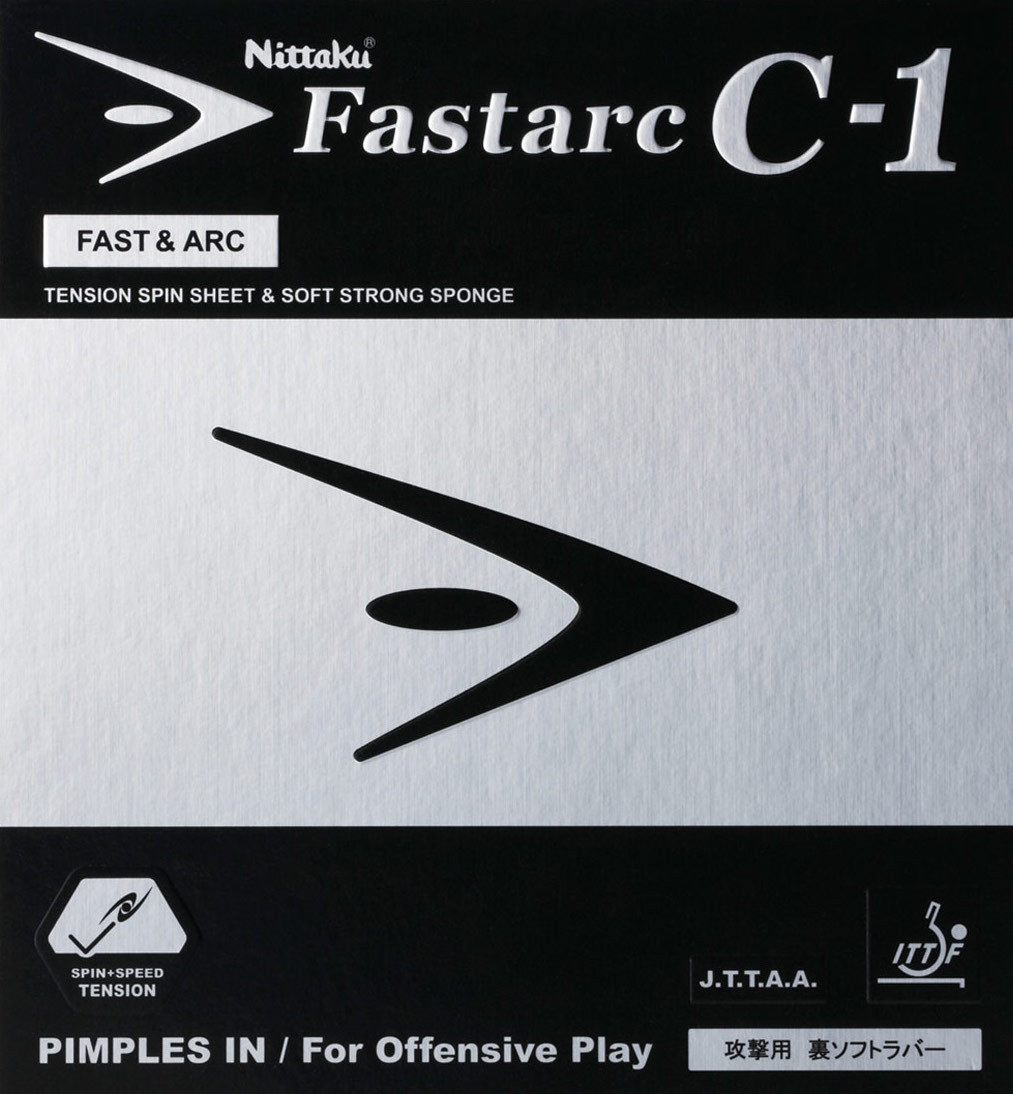
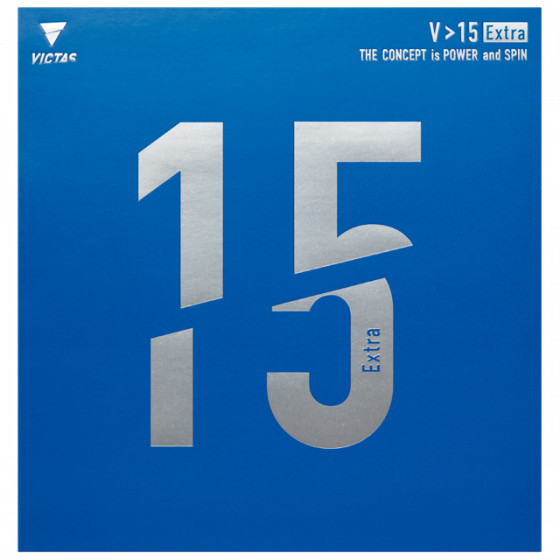
Fastarc C-1 offers outstanding opening-loop spin, forgiving arc, excellent consistency and strong value versus Tenergy 64/80 on a 45-degree sponge. Victas V>15 Extra is a hard German tensor (47.5 degrees) with outstanding forehand topspin speed and spin output, unusually low sensitivity to incoming spin for easier backspin attacks, three-gear performance from flat drives to fine-angle loops and high-grip serve game—yet it is demanding on technique, backhand blocking is inconsistent and the hard sponge amplifies errors.
Choose C-1 if you want durability, consistency and strong value across both wings with a forgiving softer sponge. Pick V>15 Extra if you are an intermediate-to-advanced aggressive forehand attacker seeking high-performance topspin speed and spin output at a price below Japanese premium rubbers—expect it to punish technique errors and work better on stiff carbon blades.
FAQ
Which is better for opening loops?
C-1’s outstanding opening-loop spin and forgiving arc excel here. V>15 Extra prioritizes aggressive forehand topspin.
Which is more forgiving?
C-1 on a softer sponge is much more forgiving. V>15 Extra’s hard sponge amplifies technique errors.
Which is better for backhand?
C-1 is backhand-suitable. V>15 Extra is forehand-focused with inconsistent backhand blocking.
Which is cheaper?
V>15 Extra is more affordable than Japanese premium alternatives like Tenergy 05. C-1 offers strong value compared to Tenergy 64/80.