Nittaku Fastarc C-1 vs Nittaku Fastarc P-1: Which Should You Buy?
| Nittaku Fastarc C-1 | Nittaku Fastarc P-1 | |
|---|---|---|
| Our rating | 8.4/10 | 7.8/10 |
| best_side | backhand or allround | forehand |
| control | high | 8.5 |
| speed | 15.25 (Nittaku scale) | 15.5 |
| spin | 12.25 (Nittaku scale) | 12.25 |
| sponge_hardness | 45 degrees | 47.5 degrees |
| type | inverted / tensor | tensor |
| weight_uncut_g | approx 47 g (157 x 150 mm sheet) | 70 |
We may earn a commission from links on this page. Learn more.
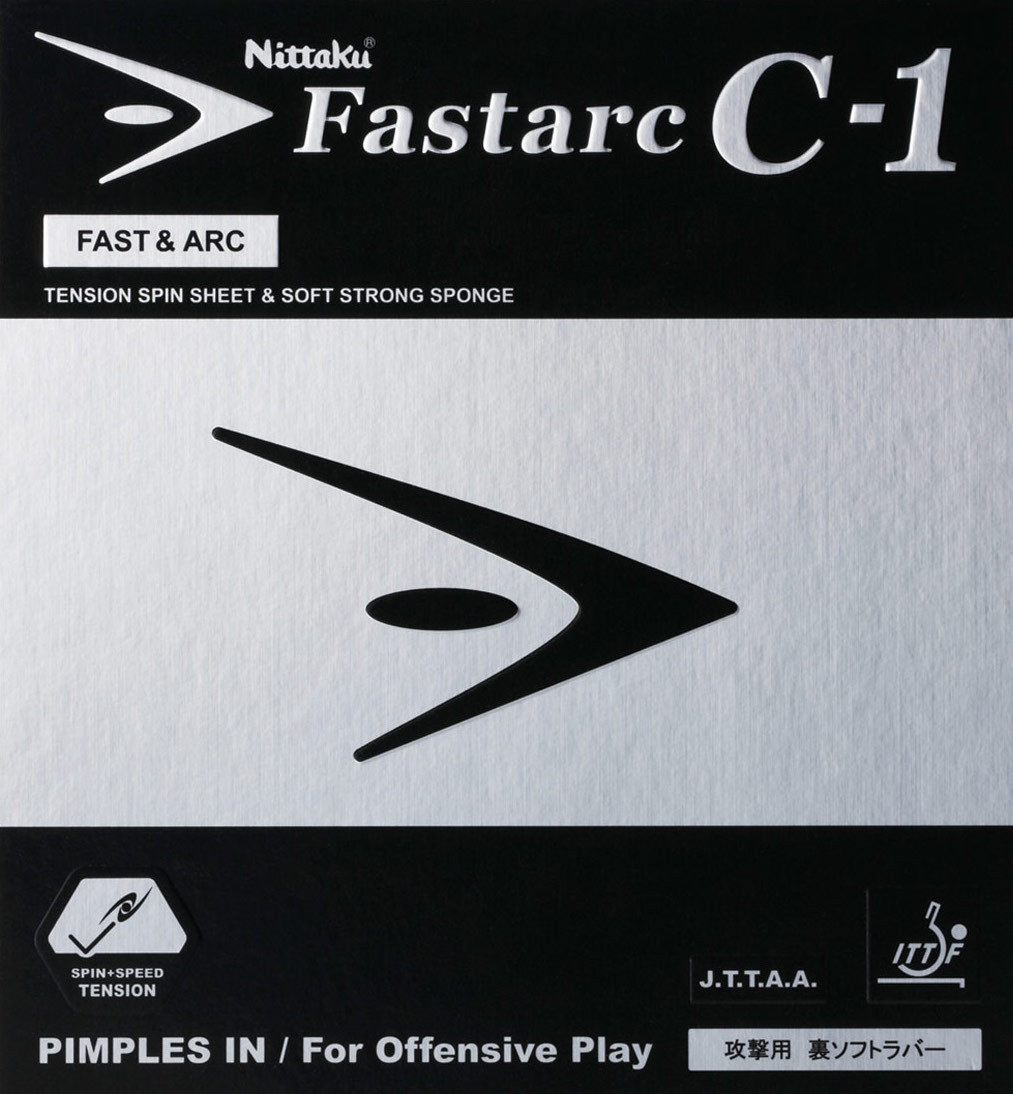
Nittaku Fastarc C-1 prioritizes outstanding spin and dwell time on opening loops with a forgiving high arc. Its grippy G-1 topsheet and medium-high sponge hardness suit intermediate to advanced loopers valuing consistency, arc safety, and placement. C-1 excels at backhand or all-round forehand use where spin and forgiveness matter.
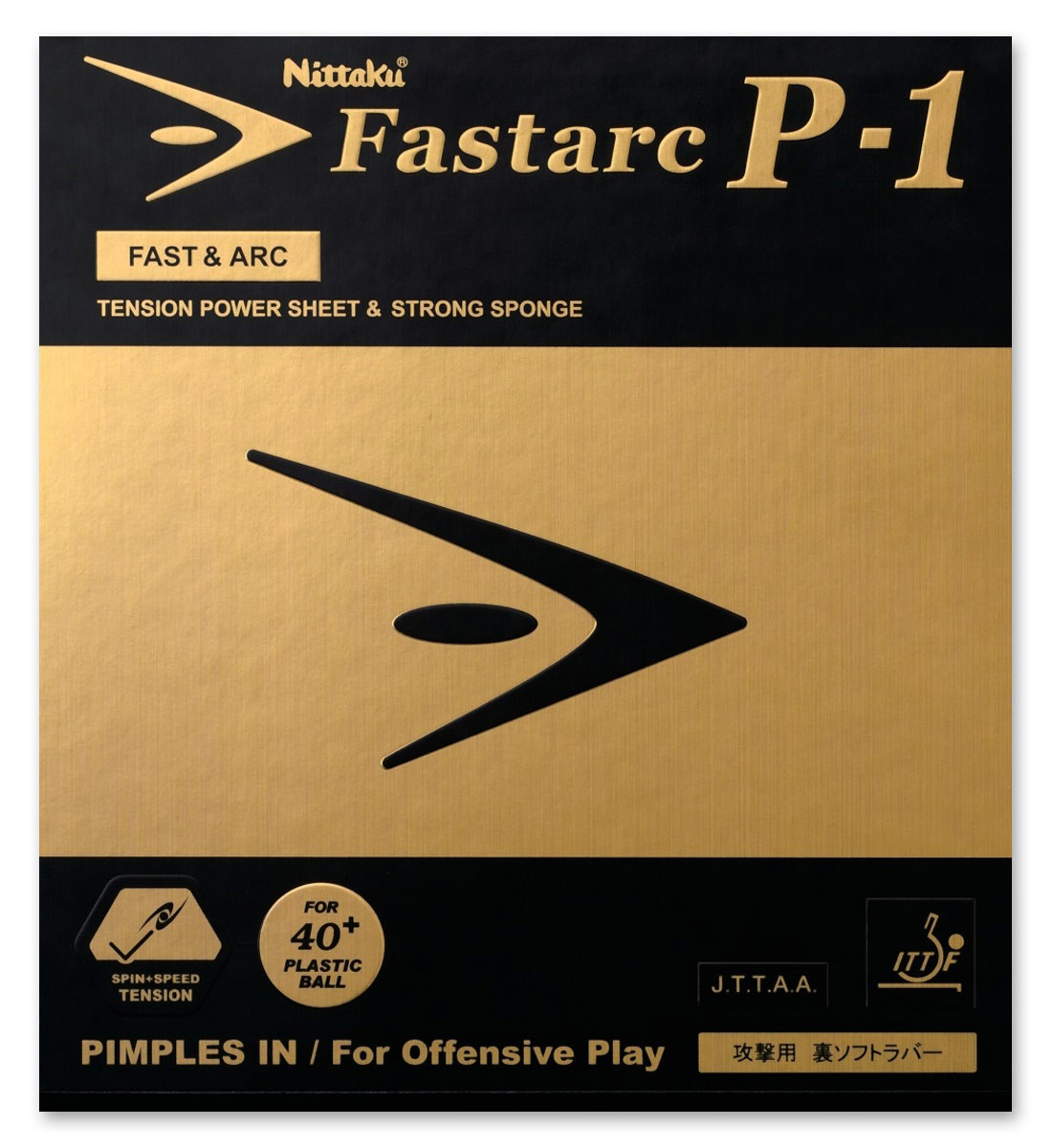
Nittaku Fastarc P-1 is a precision tensor demanding full, technically sound strokes. Its high throw angle and impressive spin output reward aggressive loopers but punish tentative contact. P-1 is decidedly forehand-oriented and less forgiving than C-1. Choose C-1 for balanced, versatile play; P-1 for committed forehand specialists.
FAQ
Which is better for the backhand?
C-1 is explicitly rated for backhand or all-round use. P-1 is forehand-specific and too demanding on the backhand for most players.
Which generates more spin?
Both excel at spin (C-1: 12.25 Nittaku, P-1: 12.25 on Nittaku scale), but C-1 requires active strokes while P-1 relies on aggressive power loops.
Which is more forgiving?
C-1 significantly. Its high arc and grippy topsheet provide safety margin. P-1 is linear and unforgiving of tentative or arm-only contact.
Can beginners use these?
Neither. Both are intermediate-to-advanced tensors. P-1 is especially demanding and not recommended for beginners.
What is the speed difference?
P-1 (15.5 Nittaku scale) is slightly faster than C-1 (15.25). Both are competitive speeds; C-1’s higher arc makes it feel more controlled.